The Sacrificial Pit of Horses at Zhaowang Mausoleum: An Eastern Zhou Dynasty Legacy in Shandong
Zhaowang Mausoleum sacrificial horse pit Eastern Zhou Dynasty
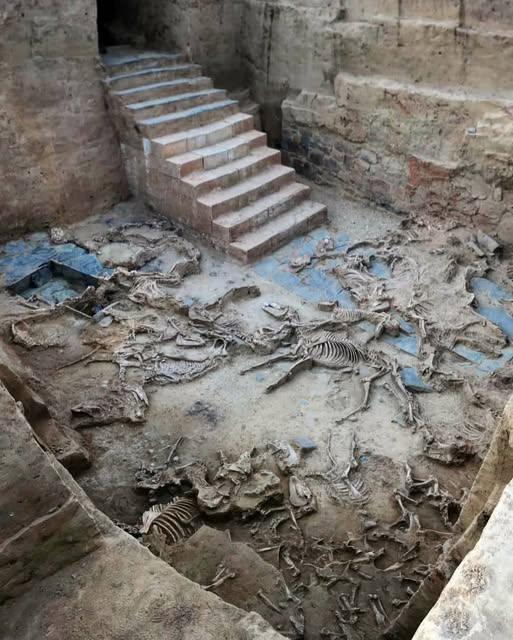
The sacrificial pit of horses at the Zhaowang Mausoleum in Shandong Province stands as a haunting artifact from the Eastern Zhou Dynasty (770–256 BCE). Beneath the manicured geometry of brick steps, a tableau of horses’ bones lies within the earth: bleached, splintered, and marked by the slow passage of centuries. This stark contrast between human design and natural decay offers a compelling witness to ancient rituals of power, kinship, and survival.
Historical Context: Eastern Zhou Dynasty and Royal Ritual
The Eastern Zhou Dynasty emerged in a fragmented landscape, defined by the collapse of centralized power and the rise of regional warlords. Amid this period’s turbulence, elaborate burial practices became tools for political and spiritual affirmation. Mausoleums such as Zhaowang were not merely final resting places, but statements of authority, wealth, and continuity for ruling families.
Sacrificial pits, wherein horses and other animals were offered, signified the symbiotic connection between ruler and beast—a bond instrumental for warfare and status. Chariots drawn by horses represented technological prowess; their burial signaled a wish to extend worldly power into the afterlife.
The Sacrificial Pit: Archaeological Discovery
Excavations in Shandong have revealed sunken horse burial pits laid out with military precision. Within these pits, equine skeletons—often whole, sometimes dismembered—remain as silent witnesses to rituals performed over two millennia ago. In some tomb complexes, horses were carefully harnessed to chariots, their forms etched in ochre-rich soil, emphasizing the spectacle and gravity of the rite.
Archaeological analysis has shown that the geometric arrangement and construction of these pits reflect deliberate design choices by ancient architects. Brick steps descend into the earth, orchestrating a ritual passage for the deceased ruler and his sacrificial retinue. The contrast between the rigid, engineered elements and the chaotic sprawl of bone underscores the interplay between order and entropy.
Symbolism and Cultural Significance
Horses, in the context of Zhou society, embodied speed, military strength, and nobility. Their sacrifice in funerary rituals signified both devotion and domination: a tribute paid by loyal subjects, and a demonstration of the ruler’s ability to command life and death. The presence of equine remains beside human burials points to a worldview in which animals served not only practical needs but also spiritual functions, accompanying their master on an eternal journey.
Such practices reflected beliefs about the afterlife, the continuation of social hierarchies, and the transference of honor and privilege beyond death. The pit’s careful construction and the preservation of remains bear witness to the cultural weight attributed to these ceremonies.
Archaeological Technique: Excavation and Analysis
Modern archaeologists approach these sacrificial pits with meticulous care—documenting the spatial layout, cataloguing osteological evidence, and employing advanced dating techniques. Remains are mapped in situ, with the orientation and condition of bones offering clues to the nature and sequence of the ritual.
Carbon dating and soil analysis help determine the pit’s original construction date and usage chronology. Scholars use comparative studies of nearby tombs and mausoleums to place each site within the larger framework of Zhou-era burials, illuminating regional variations in sacrificial practice.
The Ritual Process: From Life to Sacrifice
Historical texts and grave goods suggest that the sacrifice itself was a highly choreographed event. Horses selected for burial would be prepared—sometimes adorned, sometimes dismembered or immobilized—before being led to the tomb complex. Ceramic, bronze, and jade artifacts found alongside equine remains corroborate the ceremonial significance of the act. Remnants of harnesses, chariot fittings, and decorative elements deepen our understanding of how ancient people prepared animals for both battle and burial.
Comparing Mausoleums: The Broader Legacy
Sacrificial pits are not unique to Zhaowang Mausoleum. Sites across China, from Shaanxi to Luoyang, have revealed similar patterns of equine and chariot burials. Each pit provides vital clues to local customs, technological advances, and the exchange of ritual ideas between polities. These practices persisted for centuries, adapting with changing religious beliefs and political realities. But always retaining a central focus on the power of sacrifice.
Echoes of Vanished Empires: Archaeology and Memory
The remains uncovered at Zhaowang Mausoleum echo with lost voices—stories of rulers, retainers, and beasts entwined by fate. As archaeologists listen to these whispers, each fragment of bone and brick helps reconstruct vanished empires. Such revelations not only enhance our understanding of ancient ritual. But also invite reflection on the enduring relationship between humanity and animal, design and decay.
The site’s importance for both historical and cultural scholarship can hardly be overstated. Through careful study, researchers continue to reveal new aspects of Eastern Zhou society. Connecting the fragments of ritual, architecture, and belief that linger beneath the soil.
Conclusion
The sacrificial pit of horses at the Zhaowang Mausoleum is more than an archaeological curiosity. It is a testament to the vanished rhythms of power, faith, and connection in ancient China. Its austerity and symbolism invite contemporary visitors and researchers to reflect on the echoes of the past. And the stories still waiting to be told by the bones beneath our feet.
ALSO READ: The Nymphaeum of Sagalassos – The Eternal Fountain of Roman Grace in the Mountains of Turkey