Xochicalco: The Fortified Ancient City of Central Mexico 🏯🪶
A City of Mystery and Power
Nestled in the rugged hills of Morelos, central Mexico, Xochicalco stands as one of the most remarkable pre-Columbian sites in Mesoamerica. Dating to 700–900 CE, this fortified city rose during a period of political turmoil, following the decline of Teotihuacan.
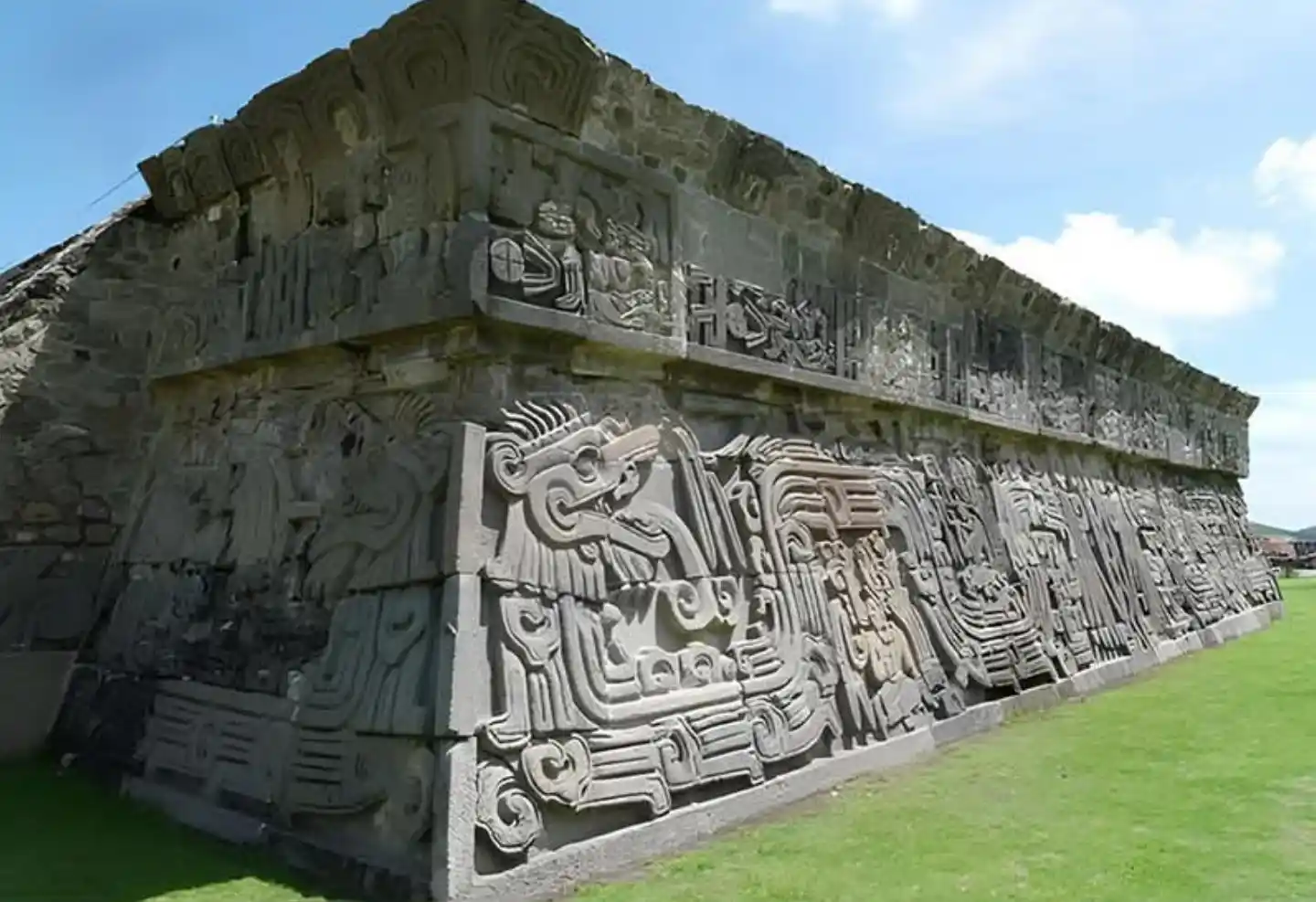
Xochicalco is celebrated for its military fortifications, astronomical observatories, and monumental architecture, particularly the Pyramid of the Feathered Serpent, adorned with intricate reliefs depicting deities, cosmic symbols, and ceremonial scenes.
The city offers a unique glimpse into the cultural, religious, and scientific achievements of ancient Mesoamerican civilizations.
Historical Context: Xochicalco in Mesoamerican Civilization
The Rise of Xochicalco
Xochicalco emerged after the collapse of Teotihuacan (around 550 CE), during a time of political fragmentation in central Mexico. It became a regional power, controlling trade routes, agriculture, and cultural exchange between neighboring valleys.
Strategic Location
Perched on a hilltop at 2,300 meters above sea level, Xochicalco’s location provided natural defense and commanding views of the surrounding landscape. Its fortifications and terraces reveal a city prepared for conflict while thriving as a ceremonial and cultural hub.
Architecture and Urban Planning
Fortifications and Defensive Structures
Unlike many other Mesoamerican cities, Xochicalco is heavily fortified. Stone walls, defensive terraces, and elevated platforms were designed to protect the city from invading forces, reflecting the volatile political climate of the era.
Residential and Public Spaces
The city includes palaces, plazas, ball courts, and residential compounds, showcasing a planned urban layout. Narrow streets and terraced architecture optimized space and facilitated water management and agriculture.
Astronomical Observatories
Xochicalco’s inhabitants were skilled astronomers. Certain structures are aligned with solar events, particularly equinoxes and solstices, indicating a sophisticated understanding of the cosmos.
The Pyramid of the Feathered Serpent
Design and Symbolism
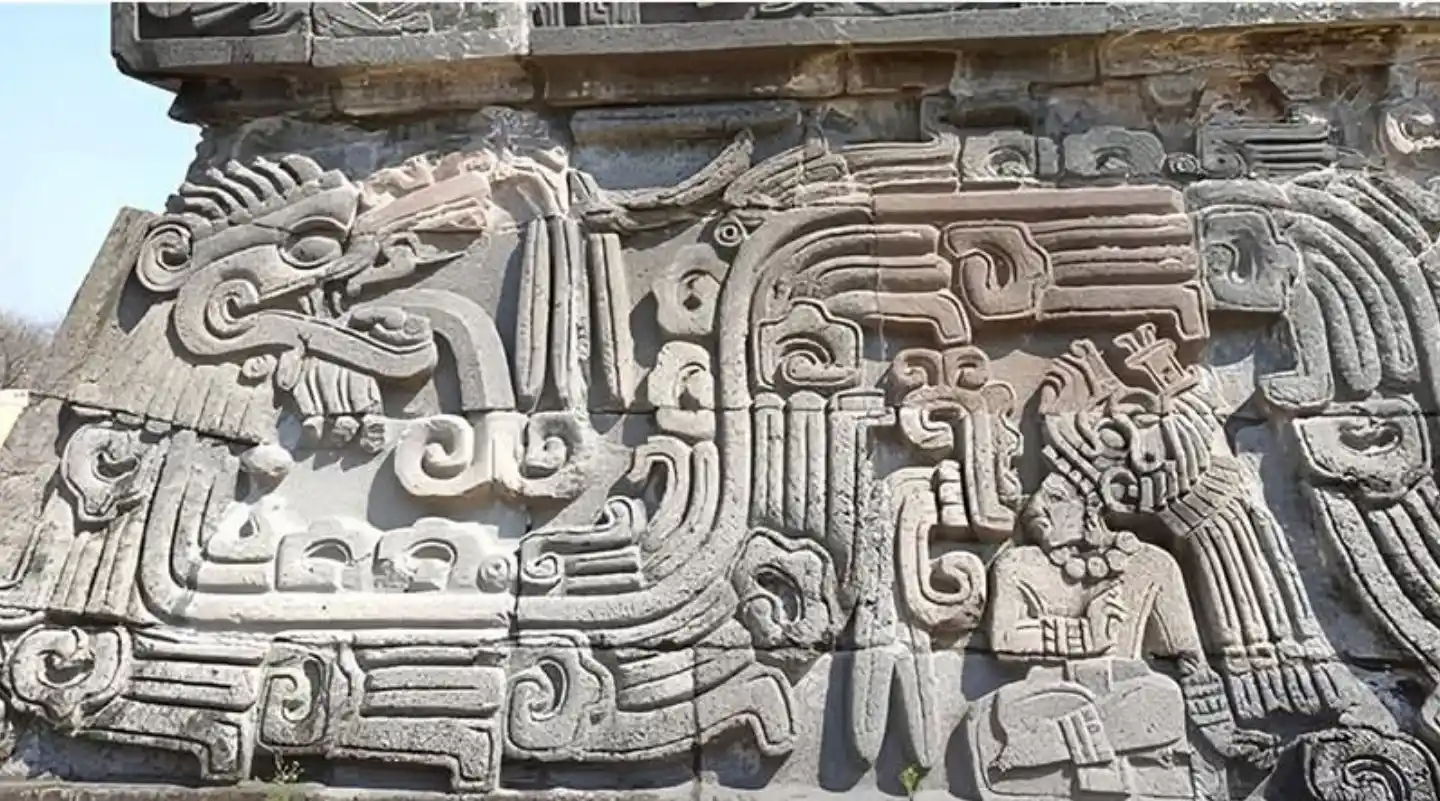
The Pyramid of the Feathered Serpent (Quetzalcoatl) is Xochicalco’s most iconic monument. Its stepped pyramid features carved reliefs of deities, celestial motifs, and ritual scenes, reflecting the spiritual and political ideology of the city.
-
Feathered Serpent (Quetzalcoatl): Represents wind, fertility, and cosmic order.
-
Tlaloc and Other Deities: Water gods and rain deities emphasize the city’s reliance on agriculture.
-
Astronomical Motifs: Depictions of the sun and moon signify Xochicalco’s connection between religion and celestial observation.
Ritual and Ceremonial Use
The pyramid likely served as a ceremonial center for rituals, including offerings, religious festivals, and astronomical observations. Its elevated platform allowed priests to perform ceremonies visible to the entire city, reinforcing social and religious hierarchy.
Art and Reliefs: The Story in Stone
Intricate Stone Carvings
Xochicalco is renowned for its stone reliefs, which provide valuable insight into Mesoamerican mythology, cosmology, and ceremonial practices. Scenes include:
-
Human figures performing rituals.
-
Symbolic animals associated with gods.
-
Geometric patterns representing astronomical cycles.
Cultural Syncretism
The artwork at Xochicalco reflects influences from Teotihuacan, Toltec, and Maya traditions, making it a unique blend of Mesoamerican artistic styles. These carvings also suggest the city functioned as a cultural crossroads, exchanging ideas and religious practices across regions.
Economy and Daily Life
Agriculture and Food Supply
Xochicalco’s residents relied on terraced farming, growing maize, beans, squash, and chili peppers. Advanced water management systems supported agriculture and ensured food security during sieges.
Trade Networks
Strategically located, Xochicalco controlled trade routes connecting central Mexico to the Gulf Coast and Pacific regions. Goods such as obsidian, cacao, and pottery passed through the city, fueling both its economy and cultural development.
Social Organization
The city’s urban design reflects social hierarchy, with elite compounds, ceremonial plazas, and public spaces indicating a complex society structured around rulers, priests, warriors, and artisans.
Religion and Cosmic Beliefs
Deities and Rituals
Xochicalco’s religion was polytheistic, centered on gods associated with the sun, moon, fertility, and warfare. Rituals included:
-
Offerings of food and precious items.
-
Ceremonial dances and ball games.
-
Astronomical observations tied to agricultural cycles.
The Ball Court
The city’s Mesoamerican ball court likely served both sport and ritual purposes, symbolizing cosmic battles between day and night, life and death, or celestial forces.
Decline and Legacy
Abandonment
Xochicalco declined around 900 CE, likely due to political upheaval, resource depletion, and shifting trade routes. By the time the Aztecs emerged, the city was already abandoned.
Archaeological Rediscovery
Modern excavations began in the 20th century, revealing terraces, pyramids, observatories, and richly carved reliefs. Today, Xochicalco is preserved as a UNESCO World Heritage Site and remains one of central Mexico’s most important archaeological destinations.
Visiting Xochicalco Today
Tourism and Access
Visitors can explore:
-
The Pyramid of the Feathered Serpent.
-
The ceremonial plazas and ball courts.
-
The observatories aligned with celestial events.
Museums and Interpretation
The on-site museum displays artifacts, stone carvings, and explanatory panels about Xochicalco’s history, religion, and urban planning. Guided tours help visitors understand the city’s cultural and astronomical significance.
Scenic Views
Perched on a hilltop, Xochicalco offers panoramic views of the surrounding valleys, showcasing why its founders selected this strategic location.
Why Xochicalco Matters Today
-
Historical Insight: Reveals political, economic, and religious life in post-Teotihuacan Mesoamerica.
-
Architectural Achievement: Demonstrates advanced urban planning, fortification, and astronomical alignment.
-
Artistic Legacy: Reliefs illustrate cultural syncretism and Mesoamerican cosmology.
-
Tourism and Education: Offers immersive learning experiences for history enthusiasts and scholars alike.
Xochicalco is not just an archaeological site; it is a window into the ingenuity, spirituality, and resilience of pre-Columbian civilizations.
Conclusion: A Timeless Monument to Mesoamerican Civilization
From its strategic fortifications to the Pyramid of the Feathered Serpent and its intricate reliefs, Xochicalco remains a masterpiece of Mesoamerican architecture, art, and astronomy. Its ruins speak of a complex society, skilled in trade, warfare, religion, and celestial observation.
Visiting Xochicalco is more than a trip through stone ruins—it is a journey into ancient Mexico’s heart, where culture, power, and cosmic knowledge intertwined. The city’s enduring legacy continues to inspire scholars, travelers, and anyone fascinated by the rich tapestry of human history.