The Astonishing Journey of the Titanosaur Dinosaur Egg Fossil in London
For over 140 years, an ordinary-looking pink-and-white banded stone sat unnoticed in a London museum collection. Cataloged in 1883 as a simple agate, this unique specimen has only recently been recognized for what it truly is: a 60-million-year-old dinosaur egg belonging to a titanosaur. This discovery has rewritten part of natural history, unveiling an extraordinary fossilization process shaped by volcanic activity and shedding light on the reproductive behavior of some of Earth’s largest creatures. This introductory section sets the stage for the remarkable story behind this fossil, blending paleontology with geology and museum science.
From Agate to Dinosaur Egg: The Fossil’s Fascinating Story
Originally collected from central India and donated to the Natural History Museum in London, the specimen’s mineral-like appearance misled scientists for more than a century. Recent advances in paleontology and mineralogy enabled experts to reexamine its microscopic features and geochemical signatures, revealing its true nature as a dinosaur egg. Detailing the study’s chronology and the interdisciplinary collaboration behind the rediscovery, this section highlights how modern science can unlock ancient secrets hidden in museum basements.
Titanosaurs: Giants of the Late Cretaceous Era
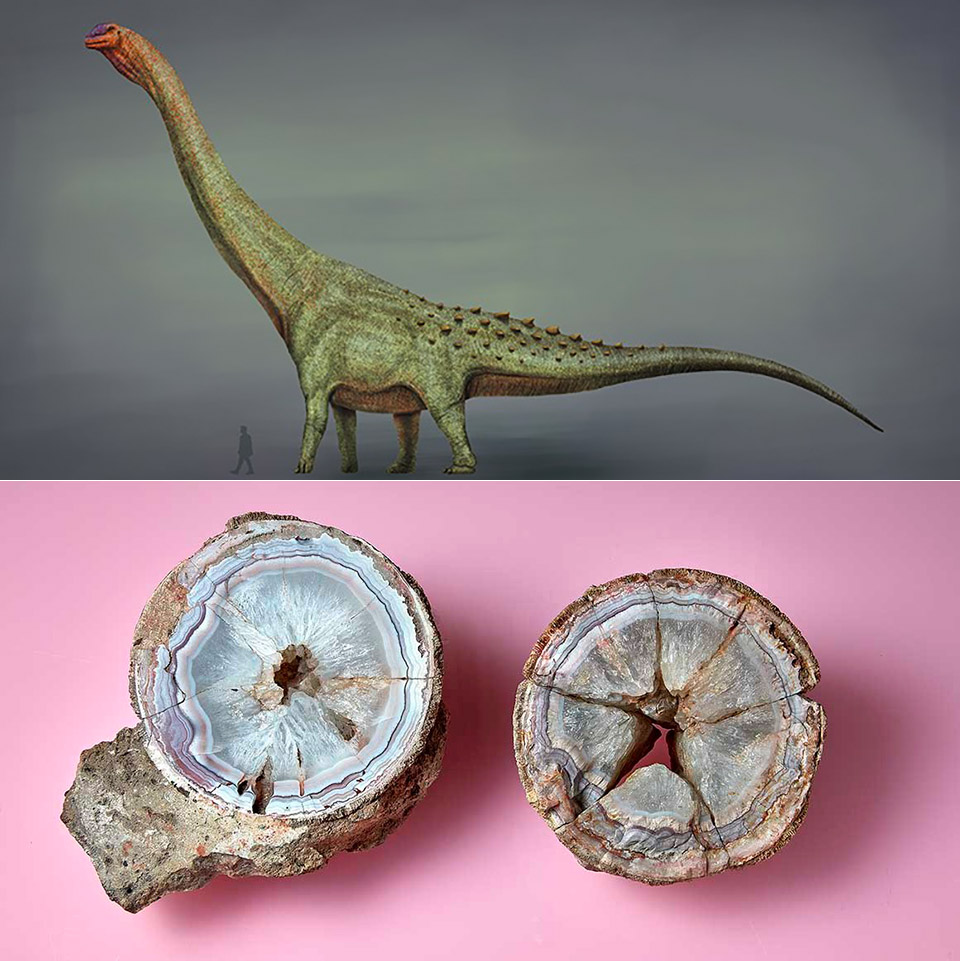
Titanosaurs were enormous long-necked herbivores that thrived in the Late Cretaceous period, roughly 100 to 66 million years ago. This section describes their evolutionary lineage, distinctive physical adaptations, and dominance in prehistoric ecosystems, particularly focusing on India’s fossil-rich regions. Understanding titanosaurs’ biology and behavior contextualizes the significance of discovering one of their eggs fossilized through natural processes.
The Dinosaur Egg: Structure, Size, and Extraordinary Preservation
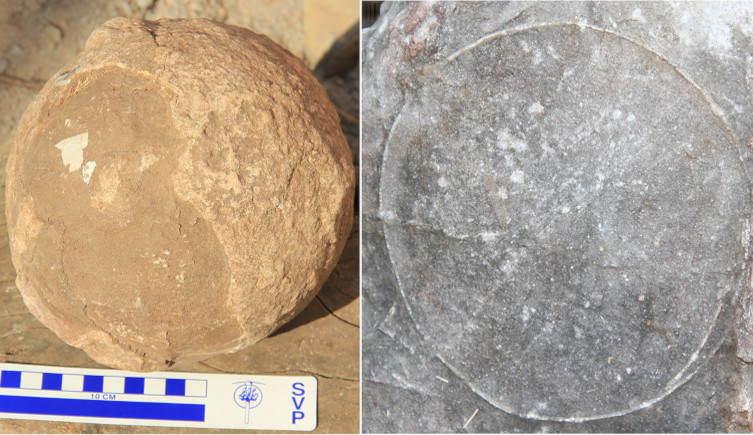
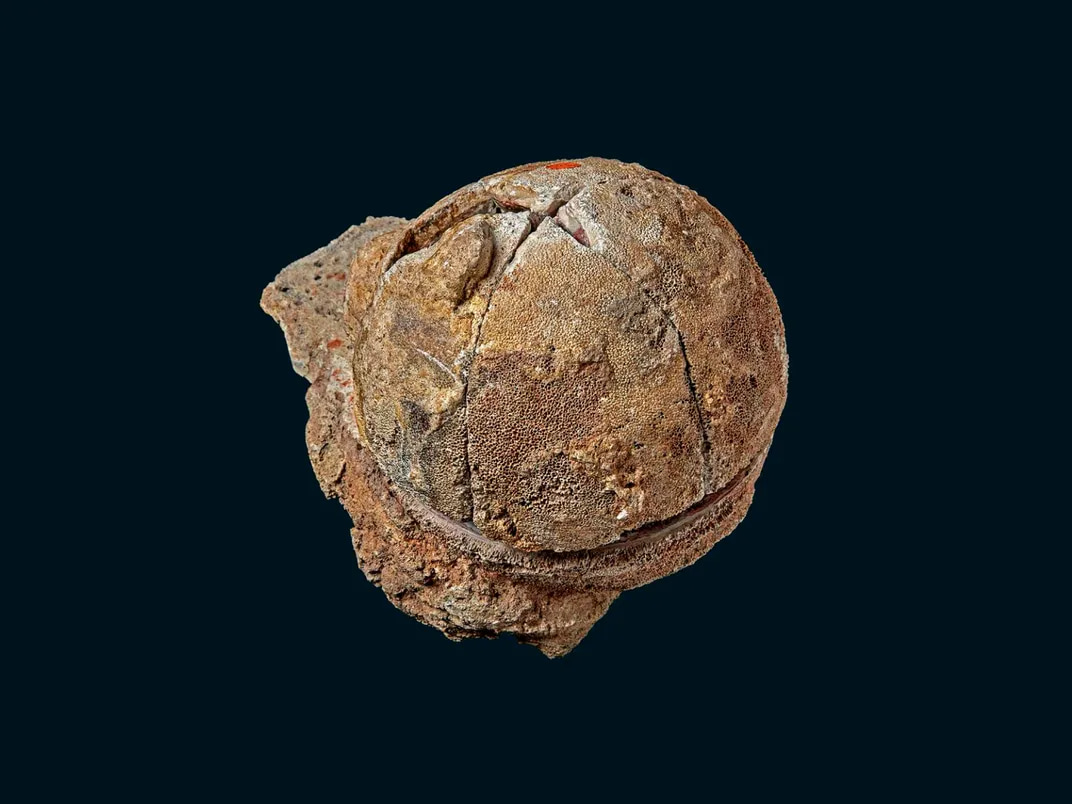
This part explores the egg itself — measuring approximately 15 centimeters — and the unique preservation process that transformed it into a dazzling agate-like fossil. An explanation of how volcanic activity in the Deccan Traps region encased the nests under lava. Protecting the eggs from decay, is provided. The infiltration of silica-rich water and subsequent crystallization created a stunning fossil that is both scientifically invaluable and visually striking. The details of the mineralogical process and the egg’s physical characteristics are thoroughly covered.
Insights into Titanosaur Reproduction and Nesting Behavior
Examining fossil evidence and comparing it to modern reptiles, this section delves into how titanosaurs laid and protected their eggs. Evidence supports the idea of communal nesting grounds and shallow burial of eggs, with little parental care post-laying. This information contributes to broader paleontological knowledge about dinosaur reproductive strategies and how these giants adapted to their environment to increase offspring survival.
Geological and Environmental Context: Late Cretaceous India and the Deccan Traps
The volcanic eruptions of the Deccan Traps dramatically shaped the environment where titanosaurs nested. This section outlines the geological timeline and explains how volcanic activity both threatened and preserved dinosaur nests. It also discusses the broader Late Cretaceous ecosystem and the climatic conditions titanosaurs experienced in what is now India.
Scientific Techniques in Fossil Identification and Analysis
Detailing the modern technological advances, this section covers microscopy, geochemical assays, imaging techniques, and cross-disciplinary methods used to identify and analyze the fossilized egg. The synergy between paleontology, geology, and material science highlights how such discoveries become possible in contemporary research.
The Importance for Paleontology and Museum Studies
This section emphasizes the significance of reexamining museum collections with modern technologies, revealing untapped potential for scientific breakthroughs. Discussing how this discovery exemplifies the value of preserving historical specimens, it underlines ongoing opportunities for uncovering hidden paleontological treasures.
Conclusion: A Crystalized Window into Prehistoric Life
Summarizing the discovery, this final part celebrates the fusion of natural art and science embodied by the titanosaur egg fossil. It reflects on how a seemingly simple rock can unlock profound insights into Earth’s history and the lives of some of its most magnificent inhabitants.