The Tărtăria Tablets: Europe’s Mysterious Ancient Script
In a quiet village in Transylvania, Romania, archaeologists uncovered one of the most puzzling finds in European prehistory. Buried in Neolithic soil lay three small clay tablets, covered in finely incised symbols — some shaped like crosses, animals, or geometric designs. These objects, now known as the Tărtăria Tablets, have sparked decades of debate and wonder. Dated to around 5300 BC, they might represent humanity’s first attempt at writing — centuries before cuneiform emerged in Mesopotamia.
The Discovery in Transylvania
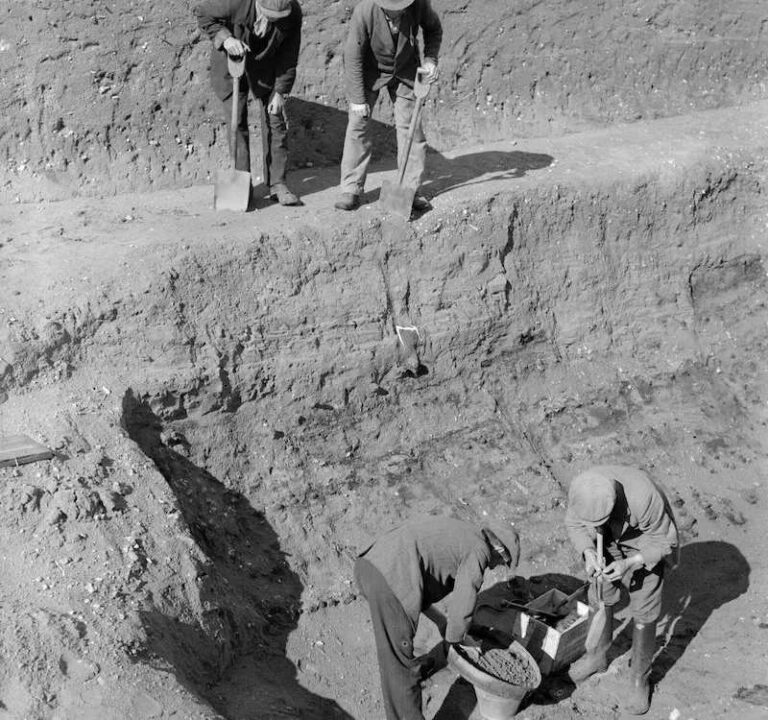
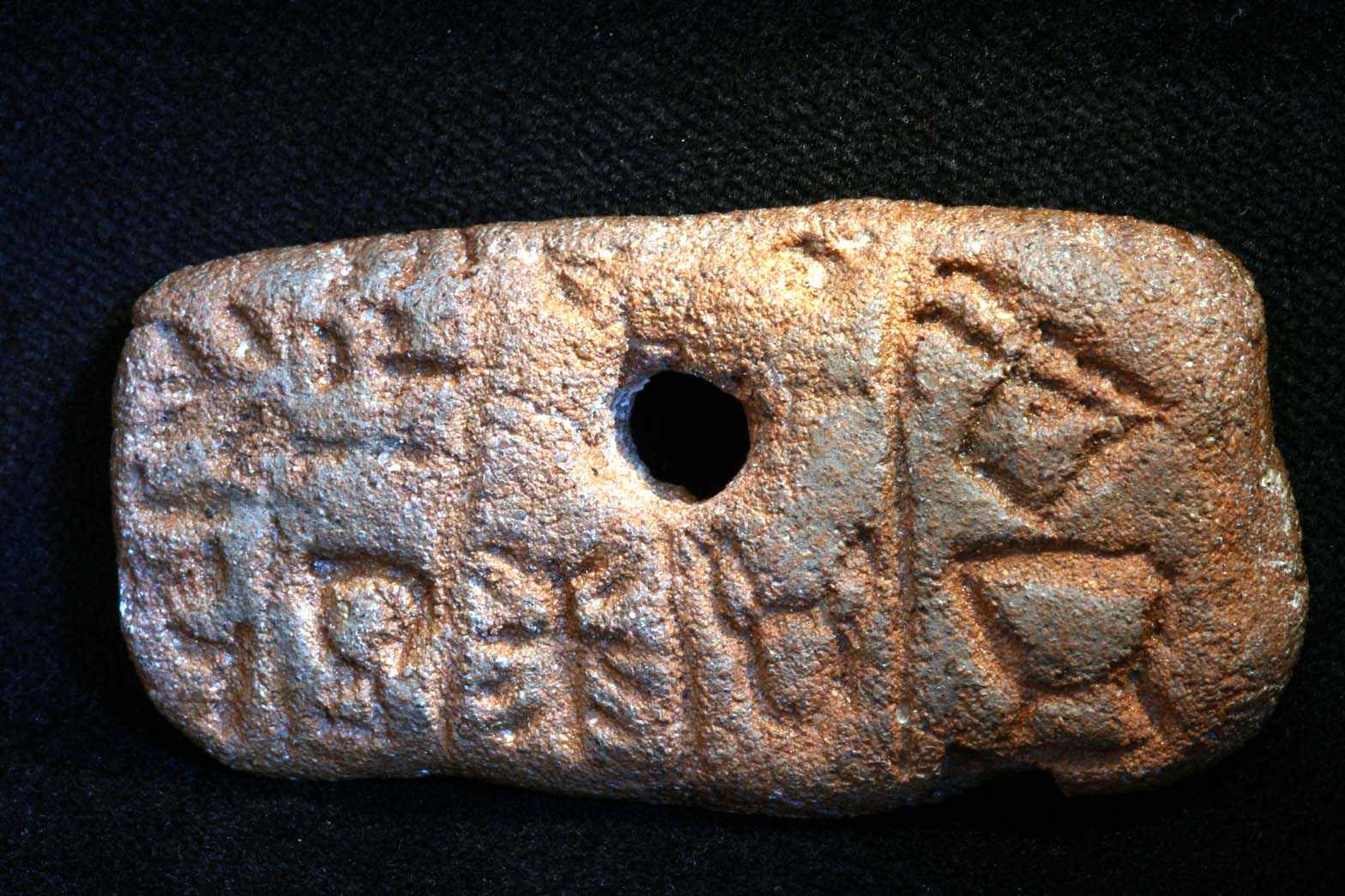
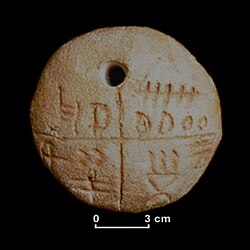
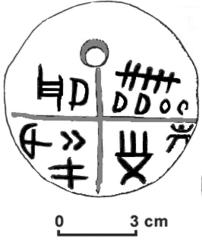
The story begins in 1961, when Romanian archaeologist Nicolae Vlassa was conducting excavations at a Neolithic site near the village of Tărtăria. Among burnt remains, fragments of pottery, and human bones, Vlassa discovered three clay tablets. Two were rectangular, and one was round. The symbols on them closely resembled written signs, leading Vlassa to propose an astonishing idea: Europe might have developed a form of writing long before Sumer.
The tablets have since been radiocarbon-dated to the sixth millennium BC, aligning them with the Neolithic Vinča culture that thrived along the Danube River and across the Balkans. This culture was already known for its advanced pottery, settlements, and distinctive figurines. Yet the Tărtăria discovery suggested something far more profound — a level of symbolic communication previously unseen in prehistoric Europe.
Who Were the Vinča People?
The Vinča culture, flourishing between 5700 and 4500 BC, was one of the most sophisticated Neolithic societies in Europe. Settlements like Vinča-Belo Brdo (near modern Belgrade, Serbia) reveal communities organized around agriculture, trade, and a rich symbolic tradition. Artifacts from Vinča sites include female figurines, decorative pottery, and most significantly, hundreds of objects bearing incised signs.
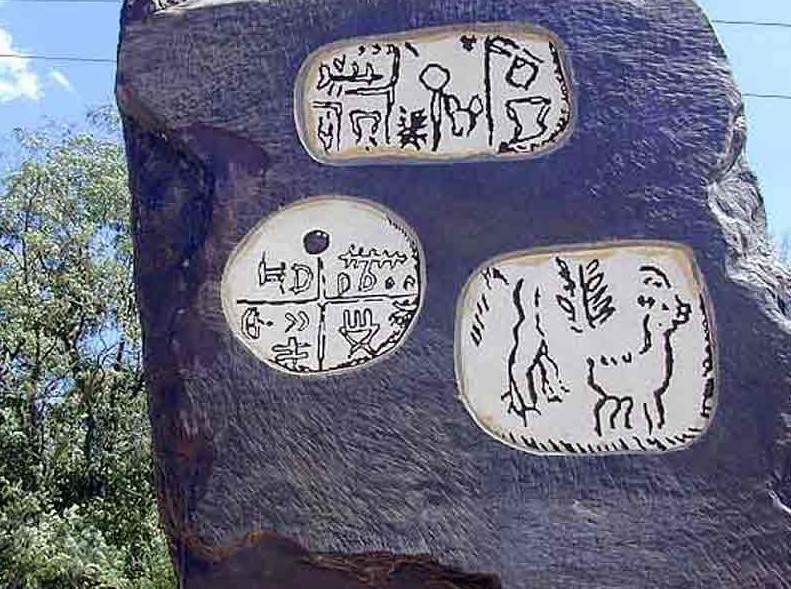
These symbols — sometimes resembling letters, sometimes abstract shapes — predate known writing systems by thousands of years. Scholars call them the “Vinča symbols” or “Old European script.” The question is whether these marks constitute true writing or serve another function entirely.
The Symbols and Their Meanings
The Tărtăria Tablets feature a combination of motifs that seem intentional, patterned, and possibly linguistic. On one tablet appears a cross with dots, on another a figure resembling an animal, and on the third a series of geometric signs. These markings resemble similar inscriptions found on Vinča pottery across the Balkans, suggesting a shared symbolic system.
However, no one has successfully deciphered them. They might represent an early proto-writing system — a step between symbolic art and phonetic writing. Proto-writing conveys meaning but doesn’t necessarily record spoken language. If true, the tablets could record ownership, religious formulas, or ritual observances rather than sentences or stories.
Ritual or Record?
Archaeological context provides clues. The tablets were found alongside the remains of a woman, possibly a priestess, whose bones had been ritually burned. Also found were figurines and offerings, implying a religious or ceremonial use. This has led some researchers to argue that the tablets were not tools of administration, as early writing in Mesopotamia was, but sacred objects.
Their signs, then, might represent a ritual code — possibly prayers, ceremonial sequences, or symbols of the cosmos. This theory aligns with other Neolithic religious traditions, in which symbolic markings functioned as conduits of spiritual meaning rather than records of economic transactions.
Debating the Origins of Writing
The Tărtăria Tablets challenge one of archaeology’s long-held assumptions: that writing began in Mesopotamia around 3300 BC. If the tablets indeed represent a form of writing from 5300 BC, then Europe would have been the birthplace of the first written communication system. This claim, however, remains controversial.
Many scholars caution against labeling the tablets “writing.” They argue there is no evidence of a continuous script or linguistic syntax in Neolithic Europe. Others counter that true writing may have developed in multiple regions independently, and that Sumeria’s success simply preserved its version longer.
Despite differing interpretations, the Tărtăria Tablets demonstrate that Neolithic Europeans possessed remarkable symbolic intelligence and creativity. Their system may have evolved separately from the Sumerians, reflecting the unique spiritual and social landscapes of the Vinča world.
The Preservation and Controversy
Unfortunately, the tablets’ authenticity has been questioned due to their condition. After discovery, Vlassa reportedly fired them in a kiln to strengthen them — an act that destroyed some of the original archaeological evidence, including traces that could confirm their age through thermoluminescence. Critics argue that without precise stratigraphic data, the tablets’ dating cannot be fully trusted.
Romanian and Serbian archaeologists, however, maintain that contextual evidence supports the Neolithic date. Similar signs appear on uncontested Vinča pottery and artifacts across the Danube basin, reinforcing their cultural connection.
Interpreting the Symbols
Various scholars have attempted to interpret the symbols. Some suggest astronomical connections, with crosses and dots symbolizing stars or constellations. Others see agricultural or fertility meanings consistent with Neolithic spirituality. A few hypothesize that the tablets encode proto-calendar systems.
Linguistic attempts at decipherment have largely failed, as there is no known descendant language or Rosetta Stone to compare against. Without parallel texts, their true message may remain forever elusive.
The Broader Legacy of the Tărtăria Tablets
Whether or not they represent true writing, the Tărtăria Tablets transformed how archaeologists view prehistoric Europe. They demonstrate that Neolithic societies were capable of abstract thought, symbolism, and possibly record-keeping at a time long before urban civilizations arose in Mesopotamia or Egypt.
The tablets also inspire discussions about the role of script in human evolution. Writing did not emerge suddenly with cities but may have arisen organically in spiritual and communal contexts across different cultures. The Vinča signs, therefore, might represent humanity’s earliest experiments with codified meaning — a first step toward literacy.
The Mystery Continues
Even today, the Tărtăria Tablets remain a subject of fascination and debate. They rest silently in the Museum of Transylvanian History in Cluj-Napoca, Romania, their carved symbols yet to reveal their purpose. Were they sacred offerings, early records, or something in between? Every theory adds another layer to the mystery.
For modern historians and archaeologists, these tablets represent not just an artifact but a challenge — an invitation to rethink the geography of human innovation. Writing, it seems, may not have been a single invention, but a human impulse: the desire to give form to thought, to fix meaning in material, to speak to the future.
ALSO READ: Exploring Devil’s Slide: Wyoming-Utah’s Geological Marvel