The Subterranean City of Naours: France’s Hidden Underground Fortress
A Hidden World Beneath Picardy
Beneath the rolling fields of Picardy in northern France lies one of the most extraordinary subterranean complexes in Europe—the subterranean city of Naours. Locally called Les Souterrains, this medieval labyrinth of tunnels and chambers stretches nearly 3 kilometers (1.8 miles) underground.
Far from being a natural cave, Naours was painstakingly carved out of the chalky soil by human hands. Originally built as a sanctuary during times of conflict, it has served multiple generations as both a fortress of safety and a living archive of history. From medieval villagers seeking refuge to World War I soldiers leaving graffiti, Naours has stood as a silent witness to centuries of struggle and resilience.
Origins of Naours: Medieval Refuge and Ingenious Architecture
The subterranean city of Naours is believed to have been constructed in the Middle Ages, during a time when the Picardy region faced frequent invasions, including the Norman incursions and later religious conflicts.
Purpose of Construction
-
Sanctuary from invasions – Villagers needed a place to hide during raids, where they could bring their families, livestock, and possessions.
-
Long-term refuge – The city was designed not just as a temporary shelter but as a self-sustaining underground village.
Architectural Features
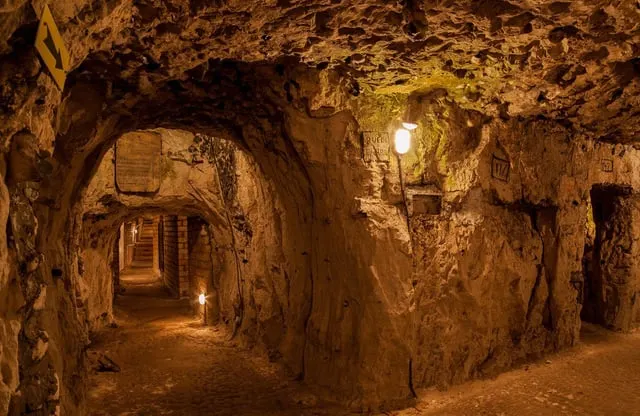
What makes Naours remarkable is the scale and planning of its underground network:
-
3 kilometers of tunnels linking the chambers.
-
Approximately 300 rooms, including:
-
Chapels for worship.
-
Stables for livestock.
-
Kitchens and storage areas.
-
Living quarters carved directly into the chalk.
-
-
Ventilation shafts – ingeniously engineered to circulate fresh air deep within the labyrinth.
This careful design ensured that Naours could accommodate hundreds of people for extended periods, protecting them from external threats.
Daily Life Underground: A Hidden Village
Though shrouded in mystery, the subterranean city offers glimpses into what life may have been like during its use in the Middle Ages.
-
Religious Life: Chapels within the tunnels suggest that faith played a central role in sustaining morale.
-
Animal Husbandry: Stables provided space for livestock, essential for survival.
-
Domestic Routines: Living quarters reveal how families might have organized themselves underground.
-
Storage: Niches and carved alcoves were likely used to store grain, tools, and weapons.
Naours wasn’t merely a bunker—it was a functioning hidden village, blending security with community.
Rediscovery of Naours in Modern Times
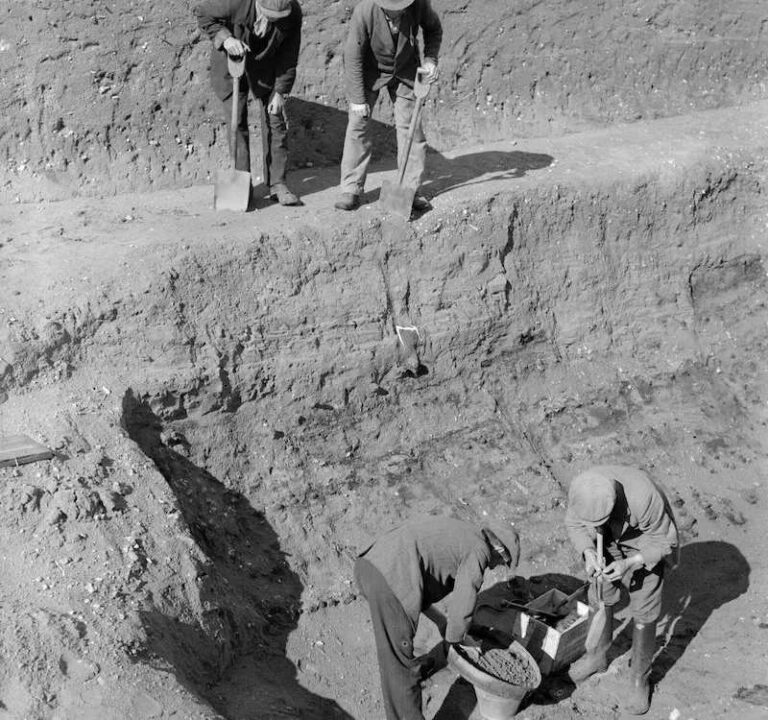
Though known to locals for centuries, Naours faded from historical attention until its rediscovery in the 19th century. In the 1880s, the French priest Abbé Danicourt documented the site, recognizing its significance as a medieval refuge.
He promoted Naours as a historical attraction, helping to preserve its heritage for future generations. Since then, archaeologists, historians, and visitors alike have marveled at the scale of this subterranean city.
Naours During World War I: A Hidden Haven for Soldiers
Naours’ role as a sanctuary didn’t end in the Middle Ages. During World War I (1914–1918), the tunnels once again sheltered people—this time Allied soldiers stationed in the Picardy region.
Graffiti of the Great War
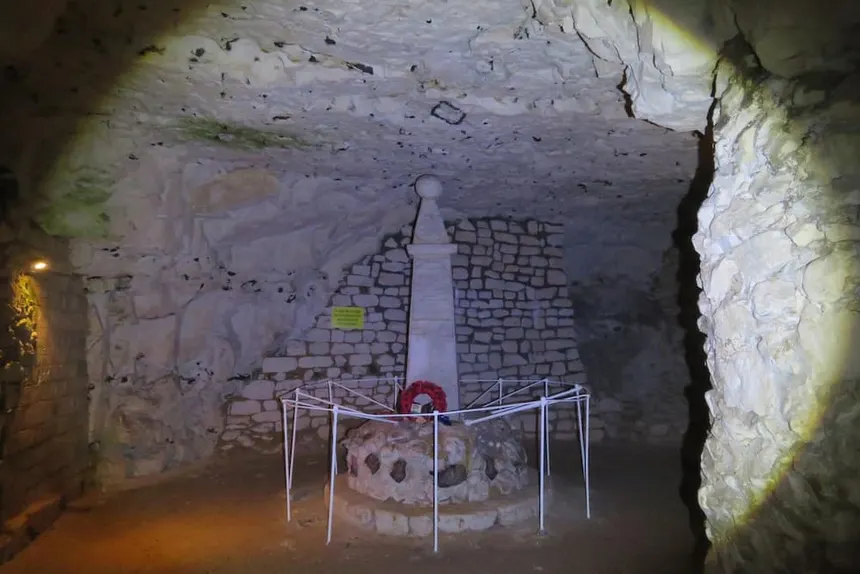
While resting or seeking refuge underground, soldiers from countries such as Australia, Canada, Britain, and New Zealand carved and wrote inscriptions on the chalk walls.
-
Over 2,000 individual inscriptions have been identified.
-
These range from names and regimental numbers to personal notes and drawings.
-
They serve as an intimate historical record, revealing the presence and thoughts of soldiers far from home.
For many families of World War I veterans, these inscriptions provide a tangible connection to loved ones who once walked the tunnels of Naours.
Archaeological and Historical Significance
The subterranean city of Naours is not only an engineering marvel but also a historical time capsule.
-
Medieval Significance: It sheds light on how rural communities prepared for and survived during centuries of conflict.
-
Military Heritage: The World War I graffiti provides rare insight into the personal lives of soldiers beyond the battlefield.
-
Architectural Ingenuity: Its ventilation systems and room layouts highlight advanced medieval engineering.
-
Cultural Memory: Naours represents resilience and continuity in a region often at the crossroads of European wars.
Visiting the Subterranean City of Naours
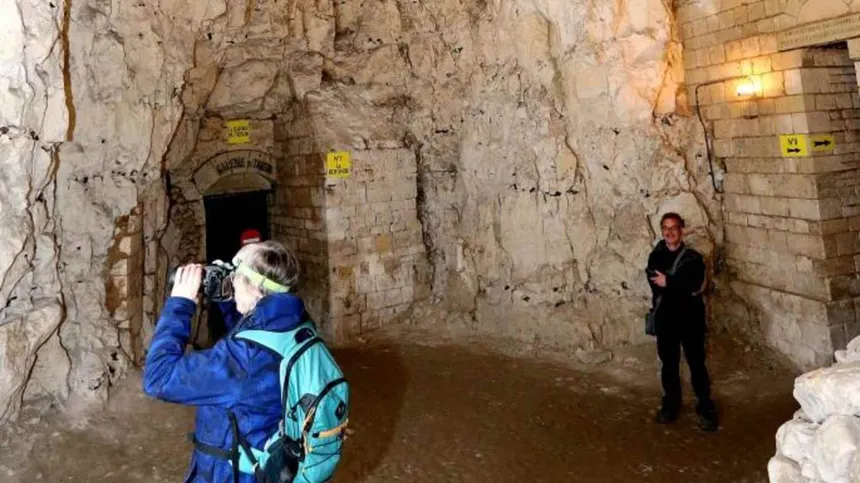
Today, Naours is open to visitors, offering a rare opportunity to step into an underground world that spans centuries of history.
What Visitors Can See
-
Labyrinthine Corridors: Wander through the winding passageways once used as shelter.
-
Chambers and Chapels: Explore reconstructed spaces that reveal aspects of daily life.
-
WWI Graffiti: View preserved inscriptions left by soldiers from across the world.
-
Interpretive Exhibits: Learn about the site’s medieval origins and modern rediscovery.
Practical Information
-
Location: Near the town of Naours, Hauts-de-France, about 20 km north of Amiens.
-
Accessibility: Guided tours are available, offering historical context and insights.
-
Best Time to Visit: Spring through autumn, when the region’s landscape complements the underground exploration.
Mystery and Unanswered Questions
Despite extensive study, Naours retains an air of mystery. Historians continue to debate aspects of its creation and use:
-
Who exactly commissioned and organized its construction?
-
Was it used primarily as a wartime refuge or also for seasonal storage and habitation?
-
How many people could it realistically accommodate at once?
These unanswered questions only add to the intrigue of Naours, inviting ongoing research and exploration.
Naours in the Broader Context of Underground Cities
Naours is part of a wider phenomenon of subterranean architecture seen across the world:
-
Cappadocia, Turkey – vast underground cities like Derinkuyu sheltered entire populations.
-
Matera, Italy – cave dwellings carved into limestone cliffs.
-
Coober Pedy, Australia – modern underground town built for miners to escape desert heat.
However, Naours is unique in its blend of medieval European defense and its role as a 20th-century wartime archive.
Why the Subterranean City of Naours Matters Today
The subterranean city of Naours holds enduring importance for several reasons:
-
Historical Insight: It connects us to both medieval villagers and World War I soldiers.
-
Human Resilience: Naours demonstrates humanity’s ability to adapt and survive under threat.
-
Cultural Heritage: It stands as a monument to France’s layered history, from the Middle Ages to modern times.
-
Global Connection: Through the inscriptions of Allied soldiers, Naours links France to distant nations whose troops fought on its soil.
Conclusion: A Silent Witness Through the Ages
The subterranean city of Naours is far more than an archaeological curiosity—it is a living monument to resilience, survival, and memory. From its medieval origins as a sanctuary against invasions to its role as a World War I haven for soldiers, Naours embodies the continuity of human history beneath the soil of Picardy.
Its 3 kilometers of tunnels and 300 rooms stand as a testament to medieval engineering, while its walls, inscribed by soldiers from across the globe, whisper stories of courage and longing. As both a historical site and cultural symbol, Naours invites us to journey into the depths of the past—where the struggles, hopes, and resilience of humanity remain carved in stone.
ALSO READ: Mount Nemrut: The Majestic Sanctuary of King Antiochus I in Turkey