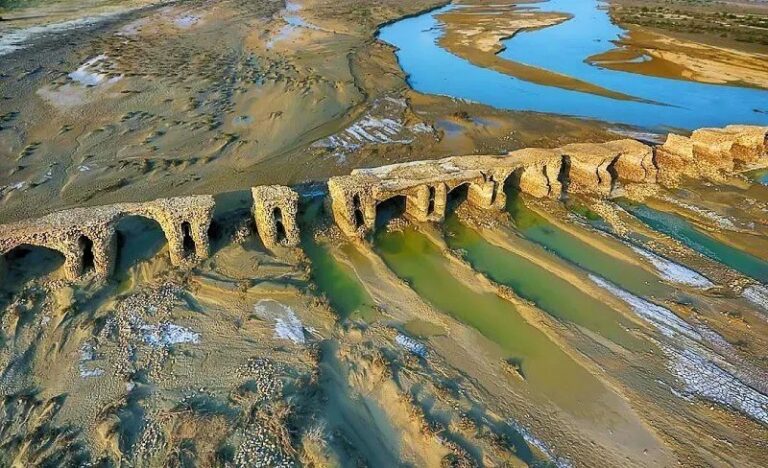
The Stone Eye of Sri Lanka: A Natural Wonder Shaped by Time
The Mystery of the Stone Eye
In the heart of Sri Lanka lies a geological marvel known as the Stone Eye — a colossal natural rock formation shaped over thousands, perhaps millions, of years by the forces of erosion. Its round, eye-like appearance, complete with a gaping central cavity, makes it one of the most captivating natural landmarks in the region.
The Stone Eye is more than just a rock; it is a symbol of time’s artistry, a living canvas sculpted by wind, rain, and the slow yet unyielding processes of geology. For travelers, geologists, and nature lovers alike, the Stone Eye serves as both a scientific curiosity and a spiritual metaphor, reminding humanity of its smallness before the vastness of Earth’s natural history.
The Location and Landscape
Where to Find the Stone Eye
The Stone Eye Sri Lanka is situated in a remote, rocky landscape surrounded by lush greenery and rugged terrain. While the exact coordinates are lesser known outside the country, it is recognized by locals and has been steadily gaining attention from explorers and eco-tourists.
The Setting
The surrounding area provides a dramatic contrast: fertile landscapes, forests, and rolling hills encircle this stark, stone sphere. This juxtaposition makes the Stone Eye not only a geological marvel but also a breathtaking viewpoint.
Geological Formation of the Stone Eye
Nature’s Sculptor: Erosion
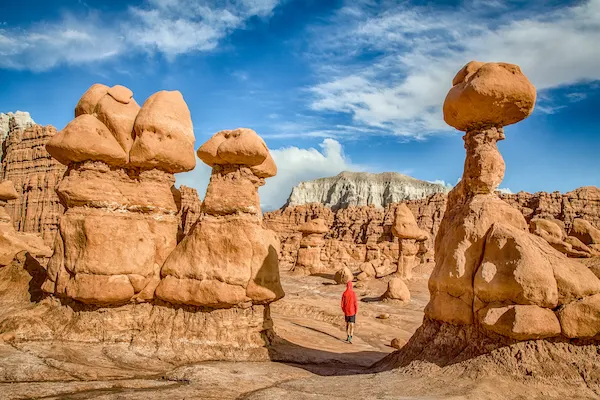
The Stone Eye was not made by human hands but by geological forces working tirelessly over immense spans of time. Natural processes such as:
-
Wind erosion – constantly wearing away the stone’s outer surfaces.
-
Rainfall and water seepage – carving and widening fissures.
-
Temperature shifts – causing cracks through expansion and contraction.
Together, these elements shaped the Stone Eye into its unique form.
The Hollow Core
The central cavity, which resembles a pupil within the massive “eye,” is believed to have formed when softer layers of rock eroded more quickly than the harder outer shell. This natural excavation process created the hollow, lending the formation its uncanny resemblance to an eye gazing into the skies.
Symbolism of the Stone Eye
Permanence and Impermanence
The Stone Eye is a paradox. On one hand, it represents permanence — a colossal rock that has stood for ages. On the other, its eroded cavity is proof of impermanence, a reminder that even stone eventually succumbs to time.
A Watchful Sentinel
To many, the Stone Eye resembles a cosmic guardian or a silent sentinel, its “gaze” fixed upon the Earth. In this interpretation, the formation becomes a symbol of nature’s eternal watchfulness.
A Metaphor for Human Existence
The Stone Eye also inspires philosophical reflection. Compared with the vast timeline of geology, human life is fleeting. This natural wonder reminds us of humility, urging us to respect the forces that shaped the world long before civilization existed.
Cultural and Spiritual Interpretations
While the Stone Eye has not yet gained the same level of mythological fame as sites like Sigiriya or Adam’s Peak, it carries a natural mystique. Local visitors often see it as a site of reflection and reverence. Some interpret its “eye” as a connection to divine vision or the all-seeing power of nature.
In modern times, as eco-tourism grows, the Stone Eye is increasingly celebrated as a symbol of Sri Lanka’s untamed natural beauty.
Scientific Significance
A Window into Geological Time
For geologists, the Stone Eye is not just an aesthetic wonder but also a valuable record of geological history. Its formation provides clues about:
-
The types of rock present in the region.
-
Erosional forces that shaped Sri Lanka’s landscapes.
-
Climatic conditions that contributed to its evolution.
Comparative Geology
Similar formations can be found around the world — from the Eye of the Sahara in Mauritania to circular erosional features in the American Southwest. However, the Stone Eye Sri Lanka is unique in its scale, symmetry, and cultural resonance.
Visiting the Stone Eye of Sri Lanka
Travel and Accessibility
Reaching the Stone Eye requires some determination, as it is often located in less-commercialized areas. This makes it ideal for eco-tourists and adventurous travelers seeking experiences off the beaten path.
Best Time to Visit
The dry season, typically from December to March, is the most suitable time for visiting, as clear skies and reduced rainfall make exploration easier and safer.
Tips for Visitors
-
Wear sturdy hiking shoes, as the terrain may be rocky.
-
Carry water, as facilities near the site may be limited.
-
Respect the site by avoiding littering or damaging the formation.
The Stone Eye as a Tourism Landmark
Growing Interest
As Sri Lanka continues to promote its natural and cultural landmarks, the Stone Eye is emerging as a potential eco-tourism attraction. Its mysterious appearance appeals to both photographers and travelers seeking lesser-known destinations.
Balancing Tourism and Preservation
While increased attention brings opportunities, it also requires careful management. Preserving the Stone Eye’s integrity means balancing visitor access with conservation efforts to protect the fragile environment.
The Stone Eye in Art and Imagination
Artists, photographers, and writers often find inspiration in the Stone Eye. Its dramatic appearance lends itself to metaphors about vision, time, and endurance. In literature and art, it has been interpreted as:
-
A cosmic eye gazing into infinity.
-
A portal to the Earth’s secrets.
-
A natural sculpture that rivals human-made monuments.
The Stone Eye is not only a natural wonder but also a muse for creative expression.
Fun Facts About the Stone Eye Sri Lanka
-
The formation is often referred to as the “Eye of the Earth” by local visitors.
-
Unlike many rock formations shaped by tectonic forces, the Stone Eye is almost entirely the result of erosion.
-
The circular hollow at its center makes it one of the most photogenic natural landmarks in the region.

Why the Stone Eye Matters
The Stone Eye is more than a geological curiosity — it is a testament to the power of nature, a reminder that Earth itself is the greatest artist. In an age where human structures dominate landscapes, the Stone Eye stands as a humbling symbol of endurance, impermanence, and natural wonder.
For Sri Lanka, it represents not only a physical landmark but also a metaphor for cultural resilience and natural heritage. Its survival across millennia mirrors the resilience of the island itself, shaped yet unbroken by the forces of time.
Conclusion
The Stone Eye Sri Lanka is one of nature’s most striking creations — a colossal rock formation shaped by centuries of erosion, standing as both a scientific marvel and a symbol of timeless endurance. Its eye-like hollow gazes into the horizon, reminding visitors of the slow, patient artistry of geological processes.
Whether viewed as a natural sculpture, a sentinel of time, or a symbol of permanence and impermanence, the Stone Eye continues to inspire awe. For travelers, geologists, and dreamers alike, it is a site worth experiencing — a place where Earth’s raw beauty and quiet wisdom converge.
As Sri Lanka embraces its role as a global eco-tourism destination, the Stone Eye will remain a powerful reminder that the planet itself is the greatest artist of all.
ALSO READ: The Battle of Marathon and the Soros Burial Mound: A Legacy of Courage and Democracy