Statue of Queen Tiye: A Masterpiece of 18th Dynasty Egypt 👑🗿
Unearthing a Royal Treasure
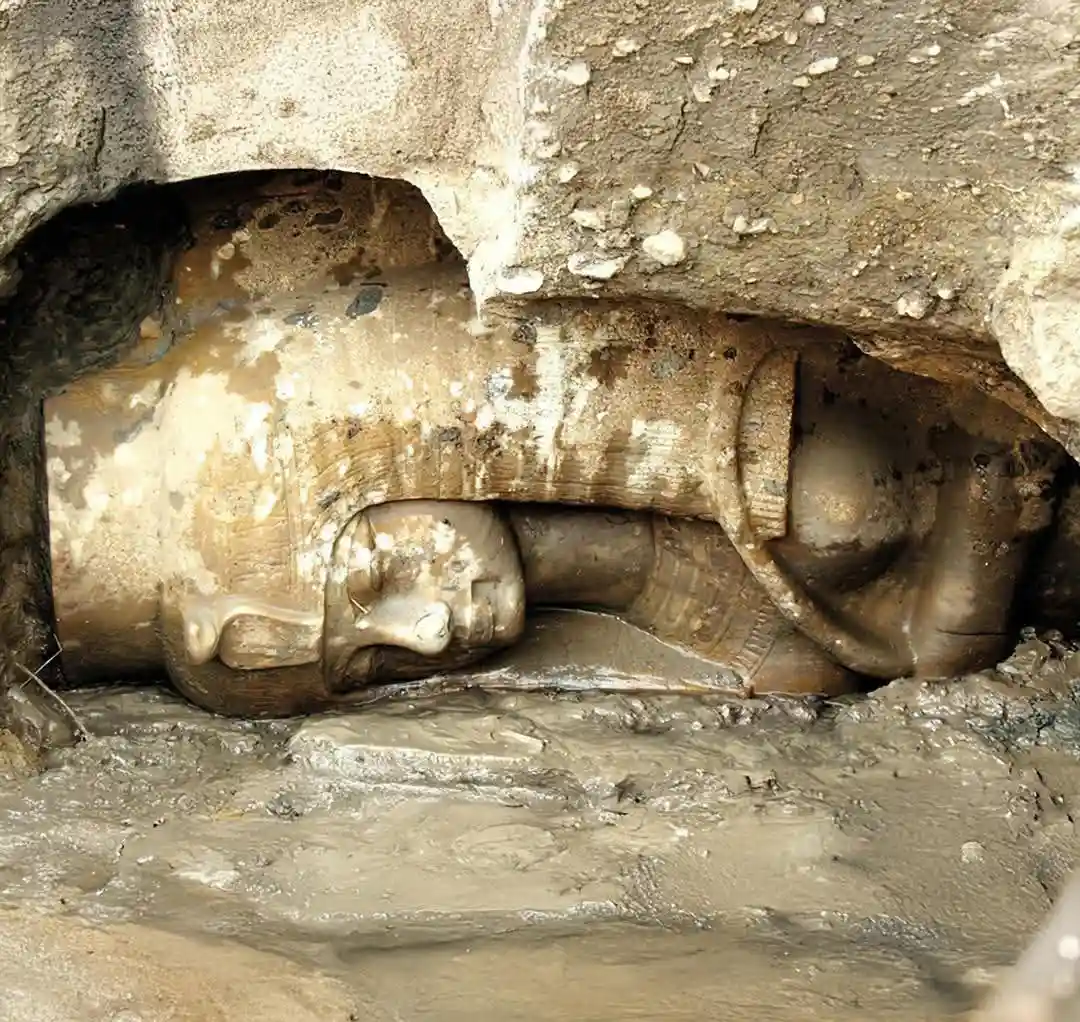
In Luxor, Egypt, archaeologists recently uncovered a finely carved statue of Queen Tiye, the Great Royal Wife of Pharaoh Amenhotep III. Dating to the 14th century BCE, this remarkable artifact was found in the mud of the pharaoh’s mortuary temple at Kom el-Hettan, likely buried after centuries of destruction.
The statue offers a rare glimpse into the prominence of Queen Tiye, the artistic sophistication of the 18th Dynasty, and the cultural importance of royal women in ancient Egypt.
Historical Context: Queen Tiye and the 18th Dynasty
Queen Tiye: A Powerful Consort
Queen Tiye was one of the most influential women of ancient Egypt. As the Great Royal Wife of Amenhotep III, she held political and religious significance, acting as an advisor, patron, and diplomat. Her status extended beyond Egypt, often reflected in foreign correspondence and gifts exchanged with neighboring kingdoms.
The 18th Dynasty
The 18th Dynasty (c. 1550–1292 BCE) was a golden era of Egyptian culture, politics, and art. Pharaoh Amenhotep III’s reign (c. 1390–1352 BCE) marked a time of prosperity, monumental architecture, and artistic innovation, with Queen Tiye playing a central role in court life and ceremonial affairs.
The Discovery at Kom el-Hettan
Location and Excavation
The statue was uncovered at Kom el-Hettan, the site of Amenhotep III’s mortuary temple near Luxor. Over centuries, much of the temple was destroyed and buried under mud and debris, preserving artifacts like this statue beneath layers of sediment.
Condition and Preservation
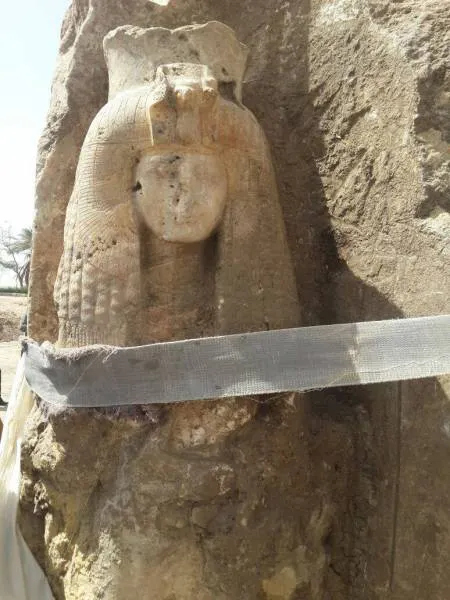
Despite the passage of more than 3,000 years, the statue’s features and intricate details remain remarkably intact. Archaeologists noted the regal headdress, facial expressions, and fine workmanship, highlighting the skill of ancient Egyptian artisans.
Likely Burial Reasons
It is believed that many statues and monuments were deliberately buried or damaged during later periods of upheaval, whether from natural disasters, invasions, or religious reforms. This practice inadvertently preserved these artifacts for modern discovery.
Artistic Features of the Statue
Regal Headdress and Iconography
The statue depicts Queen Tiye wearing a traditional royal headdress, signifying her high status. Symbols on the headdress reflect divine protection, authority, and her role as the pharaoh’s consort.
Facial Expression and Realism
Unlike some earlier statues, this depiction of Tiye emphasizes naturalism and individual features, including high cheekbones, a defined jawline, and attentive eyes, conveying both elegance and authority.
Symbolism and Cultural Significance
Art in the 18th Dynasty often emphasized divine kingship and royal lineage. By portraying Tiye with a serene yet commanding expression, the statue reinforces her spiritual and political importance in Egyptian society.
The Role of Queen Tiye in Egyptian History
Political Influence
Queen Tiye’s influence extended beyond ceremonial duties. She advised Pharaoh Amenhotep III on state matters, participated in diplomatic relations, and played a key role in religious and cultural policy.
Religious Significance
Tiye was closely associated with the goddess Isis and other deities. Statues like this one were often placed in temples or mortuary complexes, serving both as devotional objects and symbols of divine connection.
Legacy and Descendants
Tiye was the mother of Akhenaten, the pharaoh known for introducing monotheistic worship of Aten. Her political and cultural influence helped shape the Amarna period, making her one of the most pivotal women in Egyptian history.
Kom el-Hettan: The Mortuary Temple of Amenhotep III
Historical Overview
The mortuary temple was among the largest in ancient Egypt, intended to honor Amenhotep III and serve as a place for rituals after his death. Over time, flooding, earthquakes, and looting reduced much of the temple to ruins.
Archaeological Significance
Excavations at Kom el-Hettan have uncovered colossal statues, reliefs, and artifacts, offering insight into 18th Dynasty religion, politics, and art. The discovery of Queen Tiye’s statue adds a personal and intimate connection to the royal court.
Insights from the Discovery
Craftsmanship of the 18th Dynasty
The precision and elegance of the statue reflect advanced techniques in stone carving, proportion, and symbolism. Artisans of the era skillfully captured both spiritual authority and human likeness, blending idealization with realism.
Understanding Royal Women
Artifacts like this statue reveal the importance of queens in politics, religion, and daily governance. They also demonstrate that women like Tiye were not merely decorative figures but central to the functioning of the monarchy.
Preservation and Study
The statue’s preservation allows scholars to study 18th Dynasty aesthetics, religious symbolism, and courtly life, contributing to a deeper understanding of ancient Egyptian civilization.
Broader Implications for Egyptology
Reconstructing History
Each discovery at sites like Kom el-Hettan helps fill gaps in historical records, offering material evidence of people and events otherwise known only through texts.
Art and Iconography
The statue contributes to ongoing discussions about representation, royal portraiture, and gender roles in ancient Egypt. Its realism and detail provide comparative data for other royal depictions, such as those of Amenhotep III or Akhenaten.
Tourism and Cultural Heritage
Artifacts like the Queen Tiye statue enhance the global appreciation of Egypt’s ancient civilization, attracting scholars, tourists, and art enthusiasts to Luxor’s archaeological sites.
Visiting Kom el-Hettan and Luxor Today
Archaeological Access
While Kom el-Hettan remains partially excavated, many temple ruins, statues, and artifacts are accessible for study and tourism. Guided tours offer insight into the history, architecture, and art of Amenhotep III’s mortuary complex.
Museums and Exhibitions
Artifacts from Kom el-Hettan, including statues of Tiye and Amenhotep III, are often displayed in Egyptian museums, such as the Luxor Museum and the Egyptian Museum in Cairo, allowing broader public engagement.
Educational Programs
Excavations and studies at Kom el-Hettan provide opportunities for students, researchers, and history enthusiasts to learn about the 18th Dynasty, royal iconography, and Egyptian artistry.
Conclusion: Queen Tiye’s Enduring Legacy
The discovery of Queen Tiye’s statue at Kom el-Hettan is more than an archaeological achievement—it is a window into the life of one of ancient Egypt’s most influential women. Her regal portrayal, artistic refinement, and symbolic significance underscore the sophistication of 18th Dynasty culture.
By studying this statue, historians gain insight into royal life, religious practice, and artistic innovation, while the public witnesses the enduring power of Egyptian heritage. Queen Tiye’s image continues to captivate scholars and visitors alike, reminding us of her pivotal role in shaping one of history’s greatest civilizations.
Bagging a glimpse of this statue or artifacts from Kom el-Hettan is not just a journey through stone. It is a journey through time, culture, and the remarkable legacy of a queen whose influence transcends millennia.
ALSO READ: Bagan: The Ancient City of a Thousand Temples in Myanmar 🛕🌅