Behold the Enigmatic Petroglyphs of the American Southwest
The American Southwest is a land of sandstone canyons, rugged mesas, and endless skies—and carved upon its rock faces lie stories thousands of years old. These are the petroglyphs: mysterious images etched into stone surfaces by ancient cultures spanning from 1,000 to over 8,000 years ago. Each symbol, line, and spiral carries the voice of a people whose connections to the land, cosmos, and spirit world continue to astonish researchers today.
What Are Petroglyphs?
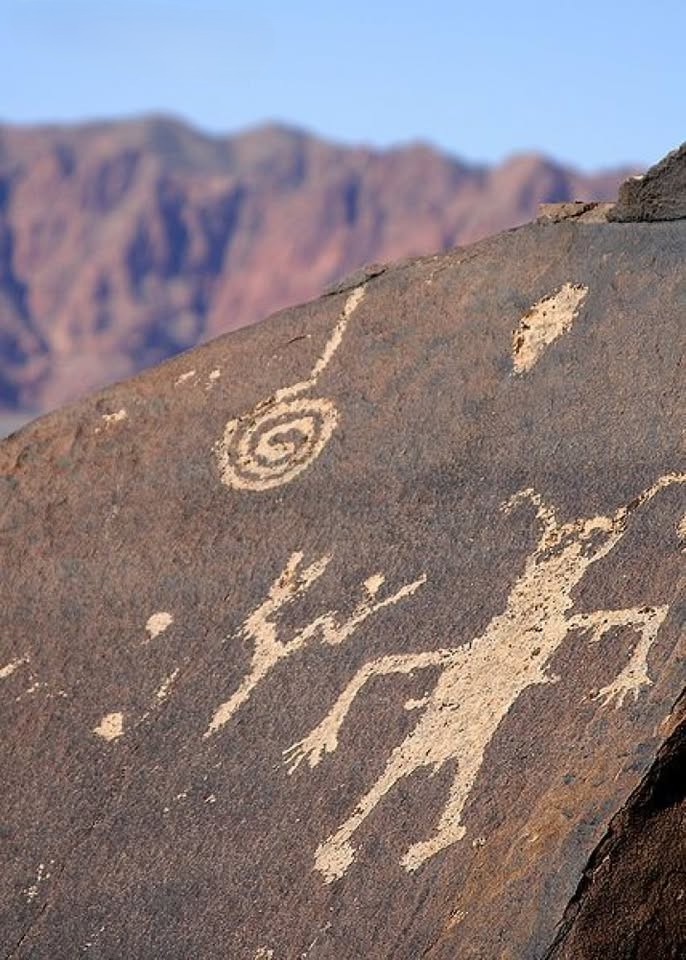
Petroglyphs are images carved, pecked, or incised into rock surfaces by removing the outer layer of stone, revealing the lighter material beneath. Unlike pictographs, which are painted onto rock, petroglyphs depend on subtractive artistry—created by striking or chiseling with another stone or sharp tool. Over millennia, many acquired a natural patina known as desert varnish, forming a dark sheen that gives contrast to the carvings and accentuates their form.
Though widespread worldwide, the American Southwest—covering present-day Arizona, Utah, New Mexico, Nevada, and parts of California and Colorado—hosts some of the most intricate and best-preserved examples.
A Window into Ancient Civilizations
The creators of these petroglyphs were the ancestral peoples of the Southwest: Archaic foragers, Ancestral Puebloans, Hohokam, Mogollon, and Fremont cultures among others. Their art offers insight into beliefs, rituals, and cosmological views that once shaped life in the desert.
Spiritual and Celestial Significance
Many spirals, concentric circles, and star-like patterns are believed to reflect astronomical observations. Petroglyph sites such as Chaco Canyon in New Mexico and the Petroglyph National Monument near Albuquerque show alignments with solstices and equinoxes. Sunlight, at certain times of year, illuminates carvings that may have guided seasonal activities such as planting or ceremonial gatherings.
Humans and Animal Figures
Anthropomorphic forms—sometimes with outstretched arms, mask-like faces, or exaggerated shapes—represent deities, ancestors, or shamans involved in ritual transformation. Animal depictions, including bighorn sheep, snakes, birds, and lizards, often symbolize hunting success, fertility, or spiritual guardianship. In some carvings, hybrid figures merge human and animal traits, blurring the boundaries between earthly and supernatural realms.
The Artistic Landscape of Stone
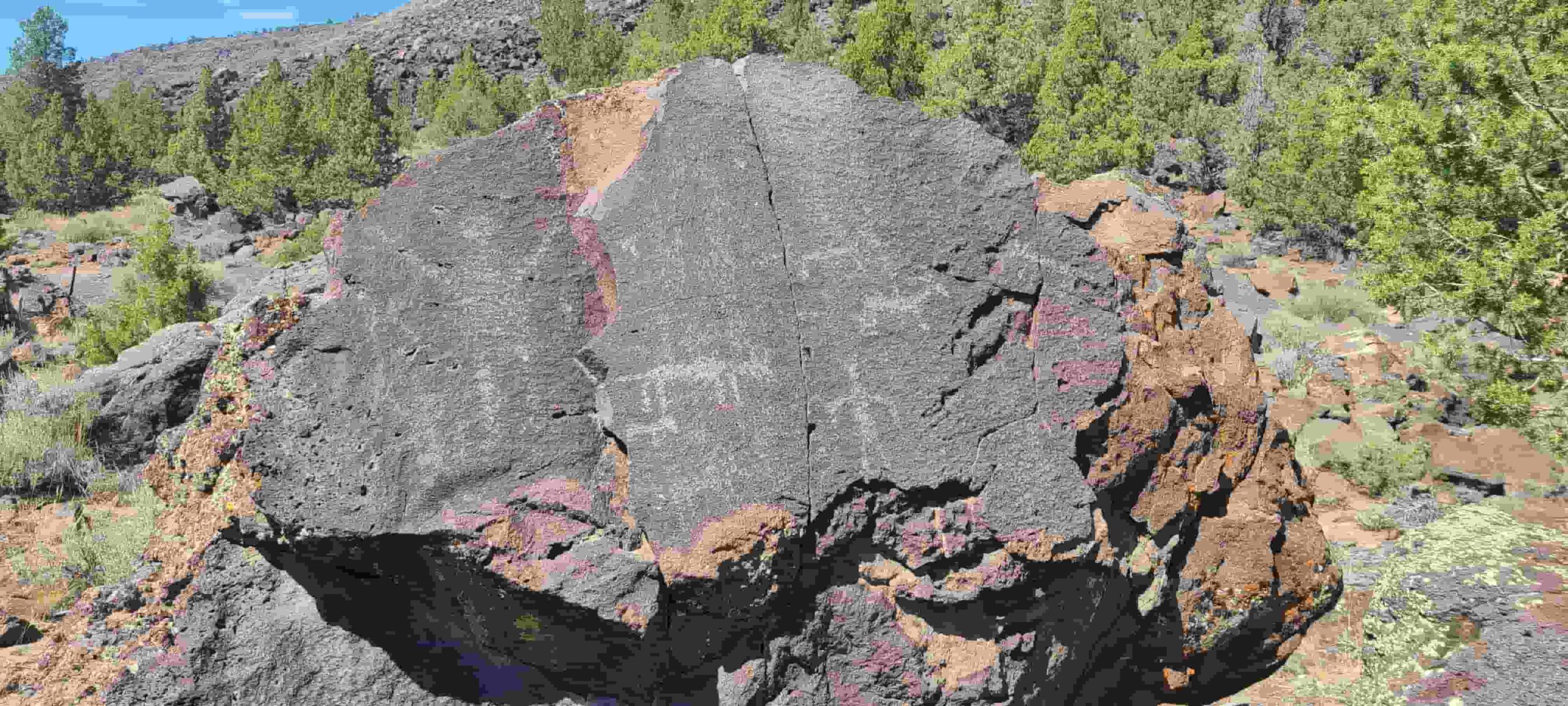
Time and environment have sculpted the Southwest’s geology into a perfect canvas for ancient art. As wind, sun, and sand worked the rock, they added texture and tone that gave depth to carvings. Desert varnish—formed from the slow deposition of iron and manganese oxides—created dark surfaces ideal for engraving. When artisans pecked away this layer, they exposed the brighter sandstone beneath, leading to high-contrast images that still captivate observers today.
The visual impact of these works changes with the angle of light. At dawn or dusk, faint carvings come alive, their shadows casting dynamic movement across stone. Modern digital scanning and photogrammetry now allow archaeologists to document these subtleties in unprecedented detail.
Decoding Ancient Messages
Interpretation of petroglyphs remains a challenge. Without written language or direct oral traditions preserved over thousands of years, researchers rely on ethnographic parallels with descendant Native American communities.
To the Hopi, Zuni, and Pueblo peoples, rock art is often seen as part of a continuing dialogue with the spiritual world. Symbols on stone are not static “messages” but living entities rooted in ceremony, prayer, and storytelling. Spirals might represent water sources, migration paths, or portals to other realms; handprints could mark presence or ownership; geometric grids may echo the structure of woven textiles or ceremonial spaces.
These images reveal a worldview where people, nature, and cosmos are intertwined. As in many Indigenous traditions, rock surfaces served as the interface between humans and the sacred—the physical and spiritual worlds carved into enduring form.
Sacred Sites Across the Desert
Chaco Canyon (New Mexico)
A UNESCO World Heritage Site, Chaco Canyon holds thousands of petroglyphs alongside monumental architecture. Carvings depict solar and lunar symbols linked to ceremonial calendars and astronomical knowledge.
Newspaper Rock (Utah)
One of the most densely inscribed rock panels in North America, Newspaper Rock features over 2,000 figures layered over centuries. Its motifs range from animal tracks to abstract symbols, showing how generations contributed to this evolving visual archive.
Valley of Fire (Nevada)
Petroglyphs from the Ancient Puebloans and Basketmaker cultures cover the red sandstone of Valley of Fire State Park, many over 3,000 years old. The “AtlAtl Rock” panel displays hunting scenes and ritual imagery.
Petroglyph National Monument (New Mexico)
Stretching across 17 miles, this monument preserves over 20,000 glyphs etched into volcanic basalt. It bridges ancient artistry with modern Albuquerque, symbolizing cultural continuity amid urban growth.
Conservation and Threats
Despite their resilience, petroglyphs face ongoing threats from vandalism, erosion, pollution, and urban development. Graffiti, off-road traffic, and even unintentional touching can accelerate the degradation of these fragile surfaces. Desert varnish, once removed, can never be restored—each irreversible mark erases part of humanity’s shared history.
Preservation efforts now combine Indigenous stewardship, federal protection, and public education. Archaeologists collaborate with Native communities to approach conservation respectfully, emphasizing that these images are sacred sites, not mere artifacts. The site encourages visitors to view from a distance, avoid contact, and learn the stories behind each image rather than simply collecting photographs.
Modern Reflections and Legacy
The petroglyphs of the American Southwest remind us that art is a universal human impulse—a means to express wonder, identity, and connection. Today, they continue to inspire not only archaeologists but artists, poets, and travelers who encounter them among sandstone cliffs and desert washes.
Through these carvings, we glimpse moments when early peoples looked at the same sky, felt the same desert wind, and sought meaning in a vast world. The symbols endure as records of survival, spirituality, and creativity, silent yet eloquent across the millennia.
As the sun sets over canyon walls. The markings catch the fading light, and one feels the hum of time itself. An unbroken line from ancient makers to those who stand before their work in awe. The desert speaks, and through stone, the voices of its ancestors still sing.
ALSO READ: The Splendor of Bronze Age Greek Armor: Echoes of Early Warriors