Sneferu: The Pharaoh Who Revolutionized Egyptian Architecture
Pharaoh Sneferu
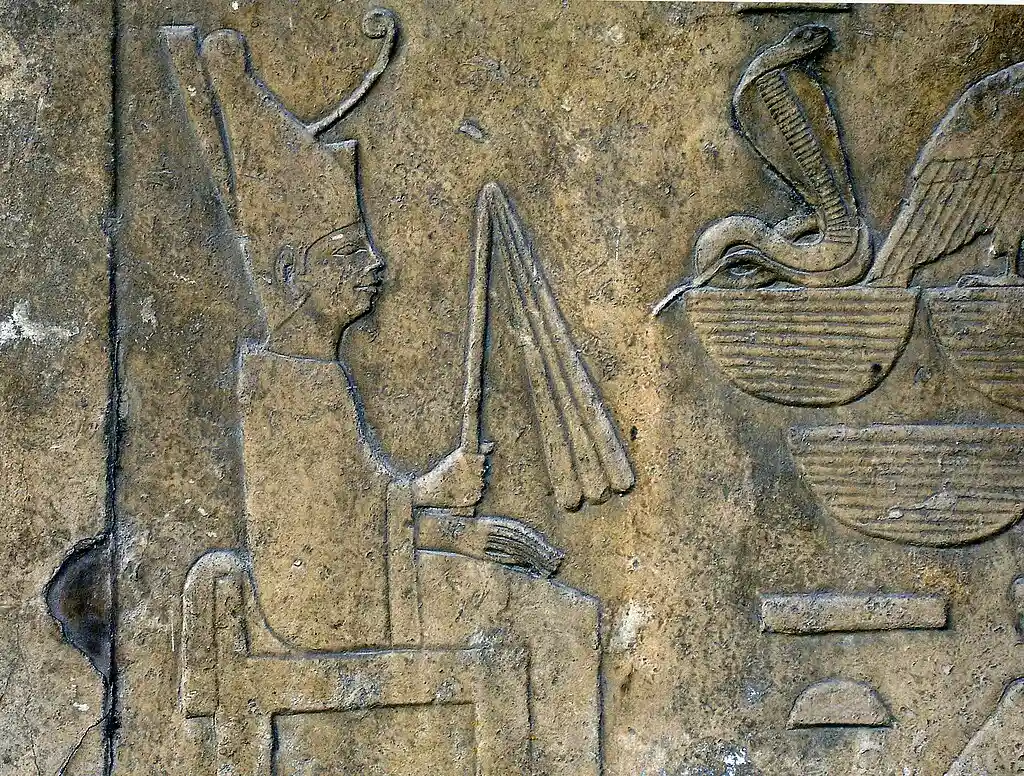
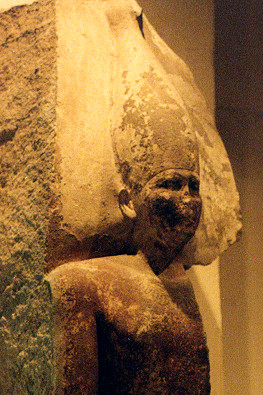
Sneferu, also spelled Snefru, was one of the most influential rulers in ancient Egyptian history. As the founder of the Fourth Dynasty of the Old Kingdom (circa 2613–2589 BCE), he transformed Egypt’s political stability, expanded its borders, and most importantly, revolutionized architecture with his innovative pyramid designs. Sneferu’s reign marked the beginning of Egypt’s “Golden Age,” setting the stage for the architectural wonders that followed, including the Great Pyramid of Giza built by his son, Khufu.
Early Life and Rise to Power
The Birth of a Dynasty
Sneferu ascended the throne after the death of Pharaoh Huni, his predecessor. Although historians debate whether Sneferu was Huni’s biological son or son-in-law, what remains clear is that he established a new dynasty that reshaped Egyptian society.
A Visionary Leader
Unlike many rulers who focused solely on military conquest, Sneferu combined expansion with innovation. His reign emphasized not only Egypt’s military and political power but also cultural and architectural advancements.
Military Campaigns and Foreign Relations
Expansion of Borders
Sneferu led several military campaigns into Nubia, Libya, and the Sinai Peninsula, securing Egypt’s borders and gaining access to valuable resources.
Control of Resources
These campaigns gave Egypt an abundance of raw materials like copper, turquoise, and gold, essential for tools, art, and construction. By consolidating resources, Sneferu laid the foundation for the monumental projects that became his legacy.
Sneferu’s Architectural Achievements
One of Sneferu’s most remarkable contributions to history was his role as an architectural pioneer. He was the first pharaoh to experiment with pyramid design, transforming them from step pyramids into the smooth-sided structures we recognize today.
The Meidum Pyramid
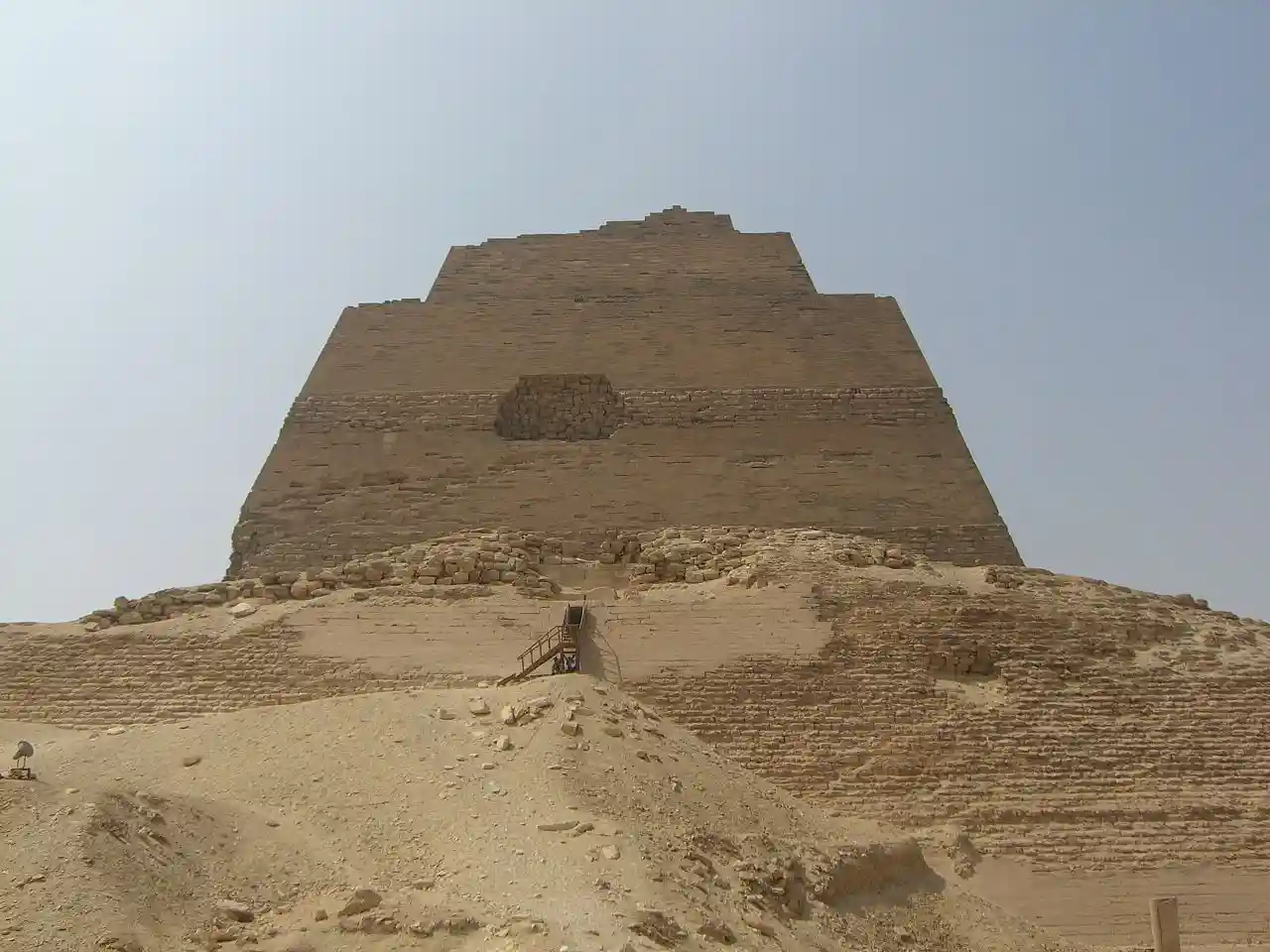
Often called the “collapsed pyramid,” the Meidum Pyramid began as a step pyramid but was later modified into a true pyramid. Unfortunately, structural flaws caused its outer casing to collapse, leaving behind a core that resembles a tower.
Despite its collapse, the Meidum Pyramid remains significant as an early attempt at perfecting pyramid construction.
The Bent Pyramid
Located in Dahshur, the Bent Pyramid is one of the most fascinating structures of ancient Egypt. Its lower section rises at a steep 54-degree angle, but midway up, the angle shifts to 43 degrees, giving it a “bent” appearance.
Historians believe this adjustment was made to prevent collapse, demonstrating how Sneferu’s architects learned through trial and error. The Bent Pyramid remains the only ancient Egyptian pyramid that retains most of its original limestone casing.
The Red Pyramid
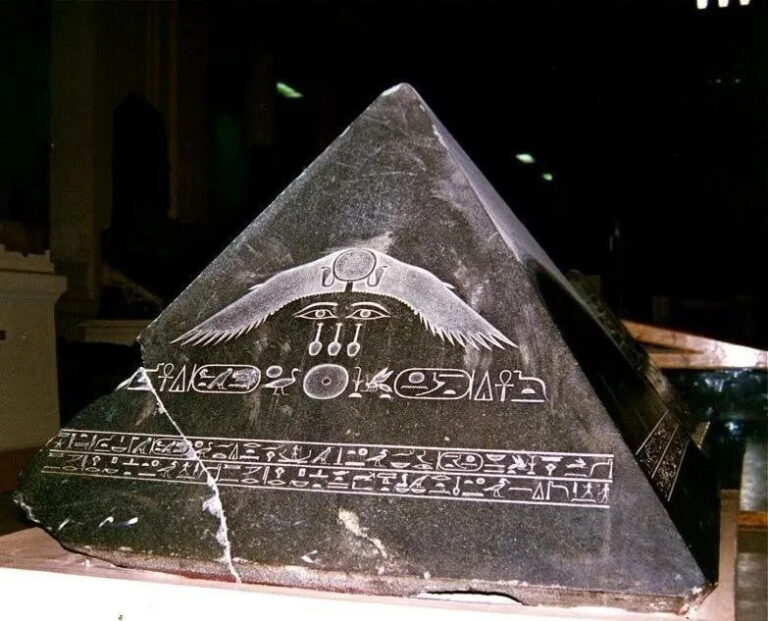
The Red Pyramid, also at Dahshur, was Sneferu’s crowning achievement. It is considered the first successful true pyramid with smooth sides. Standing at about 105 meters (344 feet), it is Egypt’s third-largest pyramid after those at Giza.
Its red-tinged limestone gives it its name, and it served as Sneferu’s final resting place. This pyramid marked the transition from experimental designs to perfected pyramid construction, influencing later masterpieces like Khufu’s Great Pyramid.
Sneferu’s Legacy in Ancient Egyptian Culture
Founder of the Golden Age
Sneferu’s reign is often considered the start of Egypt’s Golden Age, characterized by prosperity, stability, and cultural advancement.
Father of Khufu
Sneferu’s son, Khufu (Cheops), succeeded him and built the Great Pyramid of Giza, one of the Seven Wonders of the Ancient World. Without Sneferu’s architectural innovations, such achievements would not have been possible.
Religious Significance
As with other pharaohs, Sneferu was seen as a divine ruler chosen by the gods. His massive pyramid constructions were not only tombs but also symbols of Egypt’s religious devotion and cosmic order (Ma’at).
Sneferu’s Contributions to Engineering and Innovation
Sneferu’s projects required advancements in:
-
Logistics: Transporting massive limestone blocks over long distances.
-
Mathematics and Geometry: Designing precise pyramid angles and alignments.
-
Workforce Organization: Mobilizing thousands of laborers, skilled craftsmen, and architects.
These innovations created a model for large-scale projects that future dynasties would adopt.
Sneferu in Historical Records
Ancient Egyptian Sources
Sneferu is mentioned in several ancient texts, including the Palermo Stone, which records his building projects and expeditions.
Greek Accounts
Greek historians, writing centuries later, admired Sneferu as a wise and innovative ruler, further cementing his place in global history.
Fun Facts About Pharaoh Sneferu
-
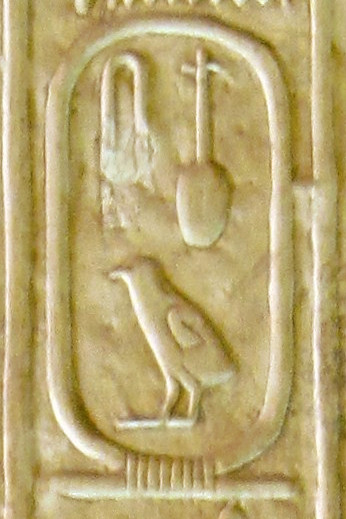
Sneferu’s name means “Bringer of Beauty.”
-
He is the only pharaoh to have built three major pyramids.
-
The Red Pyramid is sometimes called the “North Pyramid.”
-
He organized some of the earliest recorded naval expeditions in Egyptian history.
Why Sneferu Matters Today
Sneferu’s reign was more than just an era of monumental architecture—it was a turning point in human history. By refining pyramid design, he transformed Egypt’s cultural identity and left behind structures that continue to inspire awe thousands of years later.
His pyramids at Dahshur attract tourists, archaeologists, and historians alike, offering insight into the genius of ancient Egyptian engineering. Sneferu’s vision not only built monuments of stone but also laid the foundations for one of the greatest civilizations in history.
Conclusion
Pharaoh Sneferu remains one of the most important figures in Egyptian history. As the founder of the Fourth Dynasty, his contributions to architecture, military strength, and cultural development set the stage for Egypt’s greatest achievements. His three pyramids—the Meidum, the Bent, and the Red Pyramid—stand as testaments to his ambition and vision.
Sneferu’s story is not just about one ruler but about the dawn of a new era in human innovation. His legacy continues to live on in the very stones of Egypt’s ancient monuments, reminding the world of the brilliance of the civilization he helped shape.
ALSO READ:The Interior of the Red Pyramid at Dahshur: A Journey into Egypt’s Oldest True Pyramid 🏜️🔺