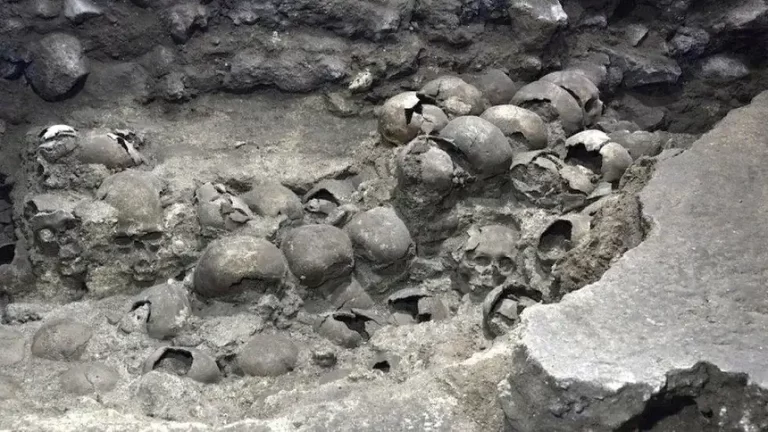
Beneath the Sands of Saqqara: The Discovery of Egypt’s Untouched Burial Chamber
Beneath the shifting sands of Saqqara — Egypt’s eternal necropolis — lies a silent world built on faith, ritual, and the promise of eternity. Recent archaeological excavations have unveiled a sealed burial chamber untouched for more than two millennia. Within it were perfectly intact mummies and vividly painted coffins that have survived the passage of over 2,500 years. This groundbreaking discovery adds a luminous chapter to Egyptology, offering an unbroken link between the modern world and the religious devotion of the ancient Egyptians.
Rediscovering Saqqara: Egypt’s Timeless Necropolis
Saqqara, located some 30 kilometers south of Cairo, has long been regarded as one of Egypt’s most sacred burial grounds. It served as the necropolis for the ancient city of Memphis, Egypt’s first capital, and is home to the Step Pyramid of King Djoser — the earliest colossal stone structure on Earth. For centuries, priests, nobles, and officials sought their eternal rest within its sprawling complex of tombs.
The necropolis reflects thousands of years of continuous use, stretching from the Early Dynastic Period (circa 3000 BCE) to the Greco-Roman era. The newly uncovered tomb, however, belongs to Egypt’s Late Period, a time marked by the revival of art, faith, and tradition before the Persian conquest in 525 BCE.
A Chamber Sealed in Silence
The discovery began when archaeologists, guided by advanced ground-scanning equipment, detected a subsurface anomaly within a cluster of rock-cut tombs. As they unearthed a shaft leading down to a hidden chamber, the air grew heavy with anticipation. When the sealed limestone door was finally pried open, the team beheld a sight unseen in over two thousand years: a subterranean crypt filled with untouched wooden coffins, their colors still vivid beneath a thin layer of desert dust.
Inside, the mummies were found lying in their original positions, wrapped in finely woven linen and adorned with amulets meant to protect the deceased on their journey through the afterlife. Hieroglyphic inscriptions decorated each sarcophagus, invoking the gods to grant the soul eternal life. Unlike many tombs looted or damaged over time, this one remained miraculously undisturbed — a pristine time capsule of devotion.
The Artistry of Eternity: Painted Coffins of the Late Period
The wooden coffins discovered at Saqqara are masterpieces of funerary art. Painted in hues of turquoise, ochre, red, and gold, they depict divine guardians — Isis spreading her wings in protection, Anubis tending to the dead, and Osiris presiding as the lord of eternity. Despite centuries buried in shifting sands, the pigments retain a remarkable intensity, as though the artists’ brushes had only just dried.
Each coffin bears inscriptions detailing the name of its occupant, prayers for safe passage through the underworld, and spells drawn from the Book of the Dead. The artistry is not purely decorative; every symbol, every line of paint had spiritual meaning. The color turquoise invoked rebirth, ochre symbolized life and energy, and gold represented divine flesh — the eternal radiance of the gods.
Religious Meaning Behind the Burial
To the ancient Egyptians, the journey beyond death was not a mystery to fear but a continuation of life’s sacred cycle. The process of mummification, the crafting of coffins, and the elaborate rituals that accompanied burial were all acts of devotion meant to ensure that the spirit — the ka and ba — could reunite and live forever in the realm of Osiris.
The newly uncovered tomb exemplifies this enduring faith. Inscriptions within the burial chamber include passages invoking protection by Anubis and resurrection by Osiris. Offerings of pottery, scarabs, and shabti figurines were discovered alongside the mummies, symbolizing the service these small effigies would perform for the deceased in the afterlife. To uncover such objects in their original arrangement is to witness the ancient Egyptians’ belief in eternity exactly as they practiced it.
The Faces That Returned to the Sun
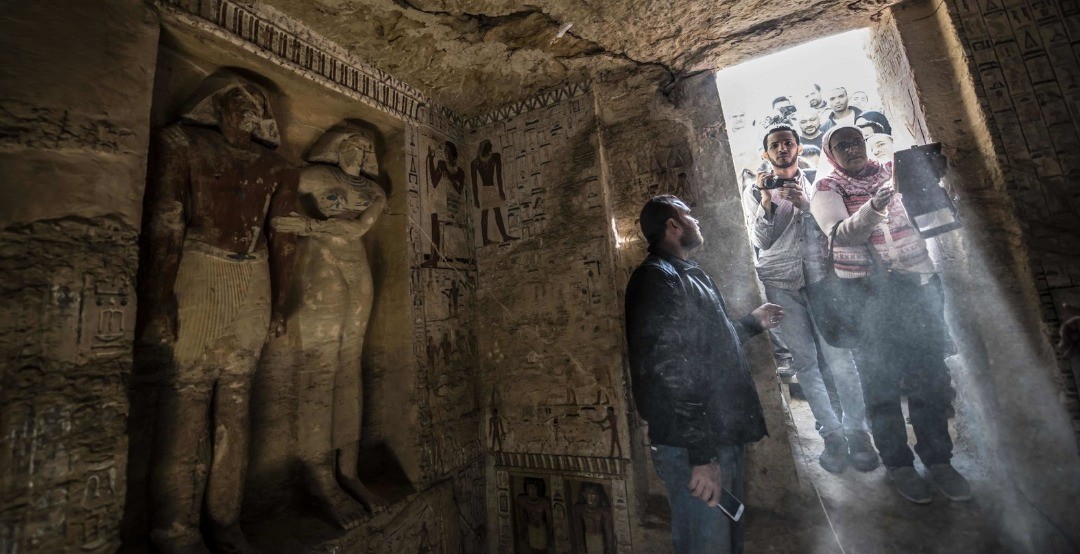
When the coffins were gently lifted into daylight for the first time in more than 2,500 years, observers described a palpable sense of reverence at the site. Under the golden glare of Egypt’s morning sun, painted faces that had slept beneath the earth for millennia emerged once more into the living world. Photographers captured the moment, yet even among the hum of modern machinery and camera clicks, the scene retained a sacred stillness.
For archaeologists, moments like these transcend the boundaries between science and spirituality. They are windows into the unbroken human desire to remember, to preserve, and to believe in something beyond mortality. Each rediscovered coffin is not just an artifact of history but a messenger from a civilization that elevated faith into art.
What the Discovery Reveals About Ancient Egypt
This Saqqara find deepens modern understanding of Egypt’s Late Period. It reveals sophisticated burial customs that continued even as Egypt faced political upheaval and foreign rule. Scholars note that the preservation of traditional artwork and religious phrases suggests a deliberate effort to maintain cultural identity.
The craftsmanship also provides important insights into ancient Egyptian materials and technology. Pigment analysis indicates the use of natural minerals such as malachite, hematite, and orpiment, while linen wrappings show advanced textile production. Radiocarbon dating will help establish precise chronological frameworks for this phase of Egyptian history.
Moreover, the mummies’ remarkable preservation offers new opportunities for biological research. DNA sequencing and isotope analysis can shed light on ancestry, health, and even diet, helping reconstruct how Egyptians of the Late Period lived and died.
Saqqara: Guardian of Egypt’s Eternal Memory
Saqqara continues to astonish with every excavation. Over the past decade, its sands have yielded temple relics, animal mummies, gilded statues, and entire tombs belonging to priests and scribes. Each discovery reinforces Saqqara’s role as a sacred landscape — not just a field of the dead, but a monumental expression of Egyptian spirituality.
The newly unearthed chamber, sealed against time, highlights the site’s extraordinary capacity to preserve human stories. It stands as a metaphor for Egypt itself: a civilization whose faith in eternity transcended even the decay of centuries.
The Promise That Endures
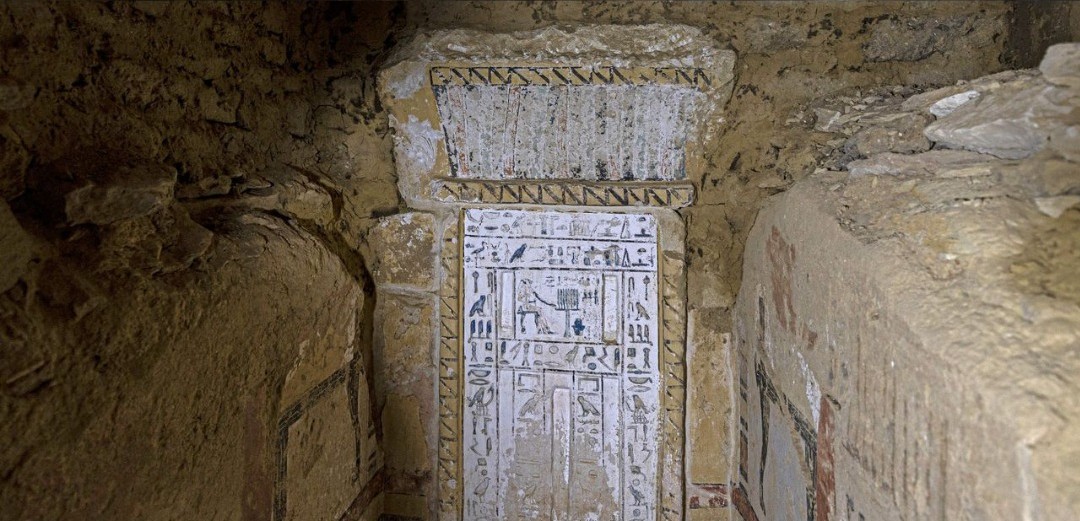
To witness the colors of the Saqqara coffins still glowing in the desert light is to glimpse a faith that has never truly faded. Every fold of linen, every curve of paint, represents an ancient promise — that death was not an end but a passage to another world.
Even now, as these mummies rest beneath museum lights, they carry that same message across time. They remind the modern viewer that belief, art, and memory are enduring forms of immortality. Beneath the sands of Egypt, faith still breathes.
ALSO READ: Kondana Caves: Ancient Buddhist Rock-Cut Marvel Near Kondana Village, India