Sable Island: Home to Wild Horses and the “Cemetery of Shipwrecks”
The Enigmatic Sable Island
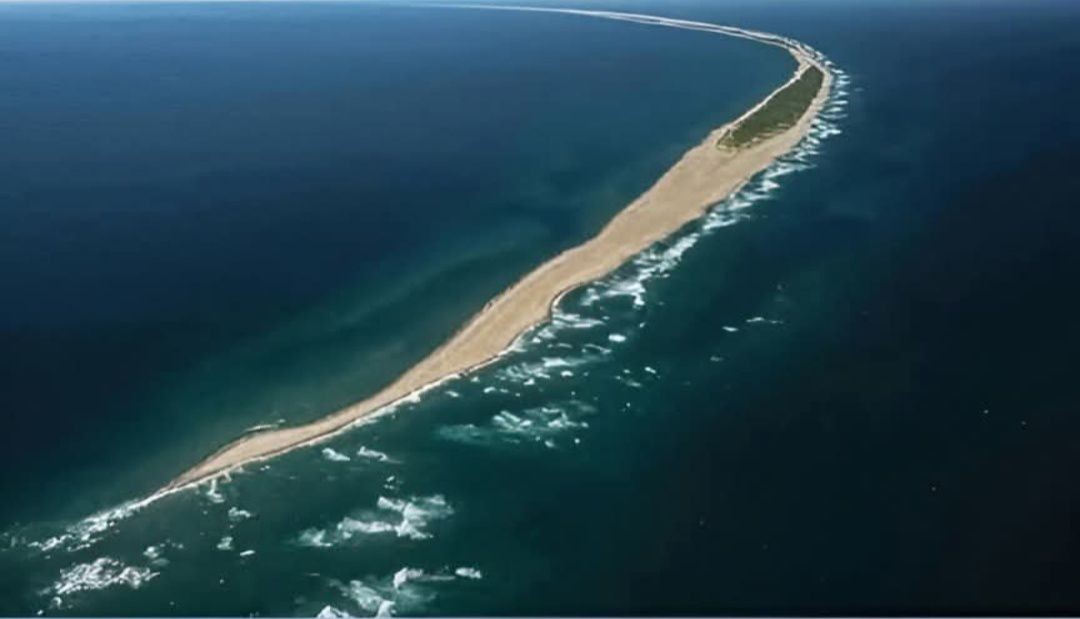
Sable Island, a narrow crescent of sand located about 290 kilometers southeast of Halifax, Nova Scotia, is one of Canada’s most remote and mysterious natural wonders. Best known for its population of wild horses, the island is a sanctuary for rare species and a living testament to the resilience of nature in the face of harsh conditions. With more horses than humans, Sable Island offers a unique glimpse into the adaptation and survival of animals in an isolated environment.
The Wild Horses of Sable Island
Origins and History
The wild horses of Sable Island are descendants of animals brought to the island in the 18th century, most likely by a Boston merchant transporting Acadians during their expulsion. Over time, these horses became feral, adapting to the island’s challenging climate of strong winds, sandy soils, and limited vegetation. Today, the population stands at around 500 to 560 horses, far outnumbering the handful of human inhabitants who live on the island at any given time.
Physical Characteristics and Adaptation
Sable Island horses are typically small, standing between 13 and 14 hands (52–56 inches), with thick, woolly coats that help them withstand the island’s harsh winters. Their size is limited by the sparse food available, and their teeth often wear down from a lifetime of grazing on sandy vegetation. These horses are entirely unmanaged, with no human interference, making them a rare example of a truly wild horse population.
Social Structure and Behavior
The horses live in small herds, each led by a stallion and consisting of several mares and their young. Their social structure is fluid, with stallions sometimes challenging each other for dominance. The horses have adapted to the island’s limited resources, carving trails through the dunes and grazing on the tough grasses that grow in the sandy soil.
Sable Island: The “Cemetery of Shipwrecks”
Maritime Disasters
Sable Island has well earned its reputation as the ‘cemetery of shipwrecks.’ Its treacherous sandbanks have claimed over 350 vessels since the 16th century. Thick fogs, strong currents, and the island’s location in a major transatlantic shipping route have made it a perilous hazard for sailors. Notable wrecks include the HMS Delight in 1583, the Arcadia in 1854, and the Nicosia in 1894.
Historical Impact
The shipwrecks have left behind a legacy of artifacts and stories, with remnants of ships, cargo, and even human remains occasionally uncovered by shifting sands. Tales of survival, tragedy, and the enduring power of the sea intertwine with the island’s history.
Sable Island as a Protected Nature Reserve
Conservation Efforts
In 2013, Sable Island was designated as a National Park Reserve, bringing it under the protection of Parks Canada and the Canada National Parks Act. This designation ensures that the island’s unique ecosystem, including its wild horses, rare bird species. And hardy plant life, is preserved for future generations.
Wildlife and Biodiversity
Sable Island is home to a diverse array of wildlife. Including the largest congregation of breeding grey seals in the world. As well as a small resident population of harbour seals. The island is also a breeding ground for rare bird species such as the Ipswich Sparrow and the Roseate Tern. Both of which are considered species at risk. The plant life on Sable Island is equally unique, with hardy species adapted to the sandy, nutrient-poor soil.

Research and Stewardship
Sable Island serves as a vital research site for scientists studying ecology, climate change, and animal behavior. The island’s isolation and protected status make it an ideal location for long-term ecological studies. Providing valuable insights into the resilience of natural systems in the face of environmental challenges.
Conclusion: A Sanctuary of Nature and History
Sable Island is a place of extraordinary beauty and significance, where wild horses roam freely. Rare species thrive, and the echoes of maritime history linger in the shifting sands. As a protected nature reserve, the island stands as a testament to the importance of conservation and the enduring power of nature. To adapt and survive in even the most challenging environments. Whether exploring its wild horses, uncovering the stories of shipwrecks, or marveling at its unique wildlife. Sable Island offers a glimpse into a world that is both fragile and resilient.
ALSO READ: Los Guachimontones: The Largest Pre-Columbian Site in Jalisco, Mexico