The Royal Hungarian Salt Mine of Désakna: A Legacy of Industry and Heritage
Salt as the “White Gold” of Europe
For centuries, salt was more than just a seasoning—it was a lifeline. Used for food preservation, trade, and even taxation, salt earned the nickname “white gold” across Europe. Among the many centers of salt production, the Royal Hungarian Salt Mine of Désakna, located in what is today Dej, Romania, played a vital role.
The mine’s history stretches back to Roman antiquity, through the Austro-Hungarian Empire, and into the modern Romanian state, leaving behind a rich legacy of industrial ingenuity and regional identity. Though no longer operational, the mine’s story continues to echo through the cultural memory of Transylvania.
Ancient Origins: Salt in Roman Dacia
The history of salt extraction in the Dej region is rooted in antiquity. Archaeological evidence shows that the Romans exploited the natural salt deposits here soon after conquering Dacia in the early 2nd century CE.
For the Romans, salt was not merely an economic product—it was essential for sustaining their armies, enabling food preservation, and fueling long-distance trade. The mines of Désakna thus connected the province of Dacia to the broader economic system of the Roman Empire.
Growth Through the Middle Ages
Local and Regional Importance
As centuries passed, the Désakna salt mine remained a significant regional asset. In the Middle Ages, salt was heavily taxed, with revenues flowing into the coffers of kingdoms and empires. Control of salt resources often meant political and military leverage, making mines like Désakna strategic assets.
Early Mining Techniques
During this period, miners used rudimentary hand tools such as picks, chisels, and hammers. They carved salt into blocks that could be transported by carts or sleds. Despite the primitive technology, the scale of extraction grew steadily, feeding the demand across Transylvania and beyond.
The Austro-Hungarian Era: Industrial Expansion
The Empire’s Salt Economy
The 18th and 19th centuries marked the height of Désakna’s significance under the Austro-Hungarian Empire. As one of the empire’s most valuable natural resources, salt was managed as a state monopoly, ensuring that profits enriched the crown.
The Désakna mine became part of a vast network of salt operations that sustained the empire’s economy and population. Salt was shipped across Central Europe, fueling trade and supporting both rural and urban communities.
Mining Advances
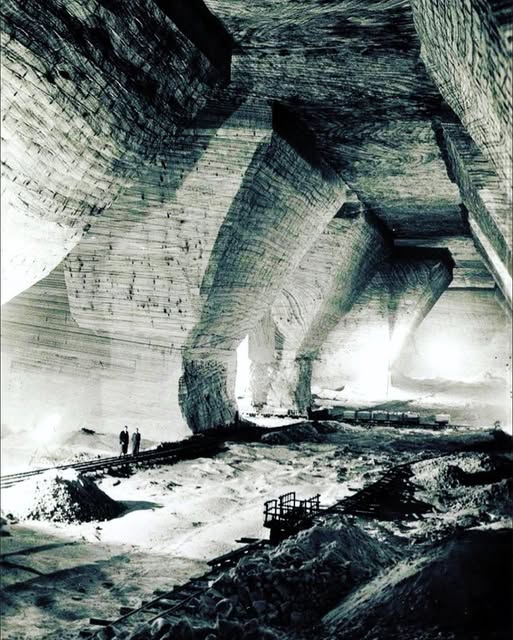
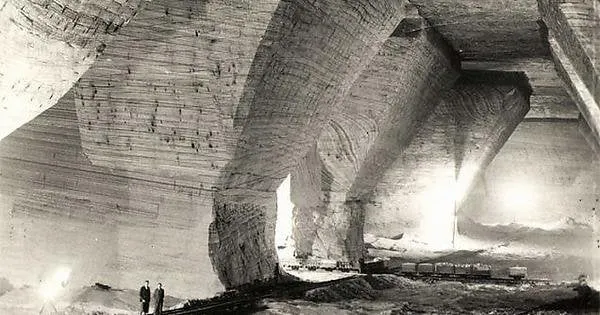
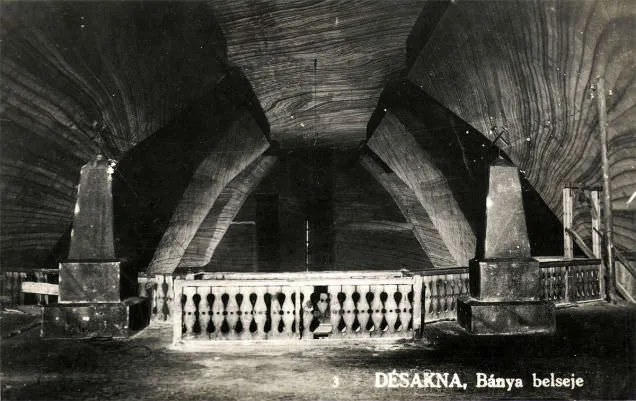
Technological progress in this era transformed salt extraction. Traditional hand-picking methods gave way to mechanized drilling and hauling systems, increasing both output and efficiency. Workers carved massive underground chambers supported by thick pillars of salt to prevent collapses.
Despite these advances, mining remained dangerous. Workers faced constant risks of flooding, cave-ins, and toxic air pockets deep underground.
Life in the Mines
The daily lives of miners reflected both hardship and resilience. Many families in the region depended on mining wages, even though conditions were grueling. Underground, miners worked in dim light with limited ventilation, their tools echoing through the cavernous salt halls.
Above ground, communities developed around the mines, creating a distinct cultural landscape tied to salt. The Désakna mine was not only an industrial site but also a hub of social and economic life for the region.
Decline and Transition in the 20th Century
After the Empire
The collapse of the Austro-Hungarian Empire following World War I brought political upheaval across Central Europe. In 1920, under the Treaty of Trianon, Transylvania, including Dej and the Désakna mine, became part of Romania.
Romanian authorities inherited the mine, and while extraction continued, shifts in technology, markets, and global trade began to diminish its importance.
Closure
By the mid-20th century, more modern mining operations elsewhere and changes in demand led to the decline of Désakna. Eventually, the mine ceased operations, though its underground caverns and historical significance remained.
Cultural and Historical Significance
Today, the Royal Hungarian Salt Mine of Désakna is remembered not just as an industrial site but as a symbol of regional identity. Its history embodies the layers of influence—Roman, Hungarian, and Romanian—that shaped Transylvania.
The mine represents:
-
Economic history: A resource that fueled empires and local communities.
-
Cultural heritage: A place where generations of miners left their mark.
-
Industrial ingenuity: Evolving techniques from hand-carving to mechanized tools.
Visiting Dej and the Legacy of the Mine
Although the Désakna salt mine is no longer active, its legacy endures in Dej and the surrounding area. Nearby, visitors can explore:
-
The city of Dej, with its historical architecture and cultural landmarks.
-
Other Romanian salt mines, such as those at Turda and Praid, which have been transformed into tourist attractions with underground chambers, wellness facilities, and museums.
For history enthusiasts, the Désakna mine stands as part of a broader narrative of Romanian and Central European salt mining heritage, offering context for the vital role salt played in shaping civilizations.
The Enduring Value of Salt
Though modern refrigeration and global trade have lessened salt’s once-central role, its history continues to fascinate. The Désakna mine reminds us that salt was once a cornerstone of survival, wealth, and political power.
From ancient Roman legions to Austro-Hungarian administrators, from miners laboring in dark caverns to modern historians and travelers, salt has bound together people, economies, and cultures.
Conclusion: A Testament in Salt and Stone
The Royal Hungarian Salt Mine of Désakna is more than an abandoned industrial site—it is a story carved into the very fabric of Transylvania. From Roman exploitation to imperial monopolies and eventual decline, it illustrates how one natural resource could shape economies, societies, and even borders.
Today, as visitors reflect on the history of Dej and its salt heritage, the Désakna mine stands as a reminder of human ingenuity, resilience, and the enduring power of “white gold.”
ALSO READ: Cast of a Patagotitan Mayorum Dinosaur Femur: A Colossal Relic of the Cretaceous