The Royal Gold Belt of Surigao: A Masterpiece of Precolonial Philippine Craftsmanship
Treasure Unearthed in Surigao
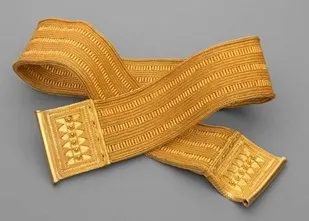
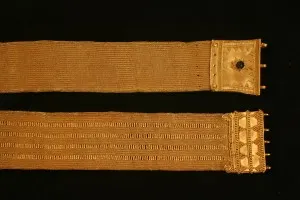
In the lush lands of Surigao in Mindanao, Philippines, a discovery was made that would reshape the way historians and the public understood the richness of precolonial Philippine societies. Among the extraordinary finds was a royal gold belt weighing 1 kilogram, dating back to the 10th–13th century CE. Today, this dazzling artifact resides in the Ayala Museum in Makati City, where it stands as one of the finest surviving examples of ancient Philippine goldsmithing.
The belt not only reflects exceptional artistry but also hints at the wealth, hierarchy, and spiritual depth of pre-Hispanic societies that flourished long before Spanish colonization.
The Discovery of the Surigao Treasure
The Surigao Treasure Trove
The gold belt was part of what is now called the Surigao Treasure, a vast collection of gold artifacts unearthed in the 20th century in Surigao del Sur and Surigao del Norte. The treasure included jewelry, ritual objects, and regalia, crafted between the 10th and 13th centuries CE.
Significance of the Find
The Surigao Treasure shed light on a sophisticated gold-working tradition in the Philippines, revealing that the islands were not isolated but connected to wider networks of trade and cultural exchange across Southeast Asia.
Description of the Royal Gold Belt
Dimensions and Weight
The belt is remarkable for its size and grandeur:
-
Weight: Approximately 1 kilogram of solid gold
-
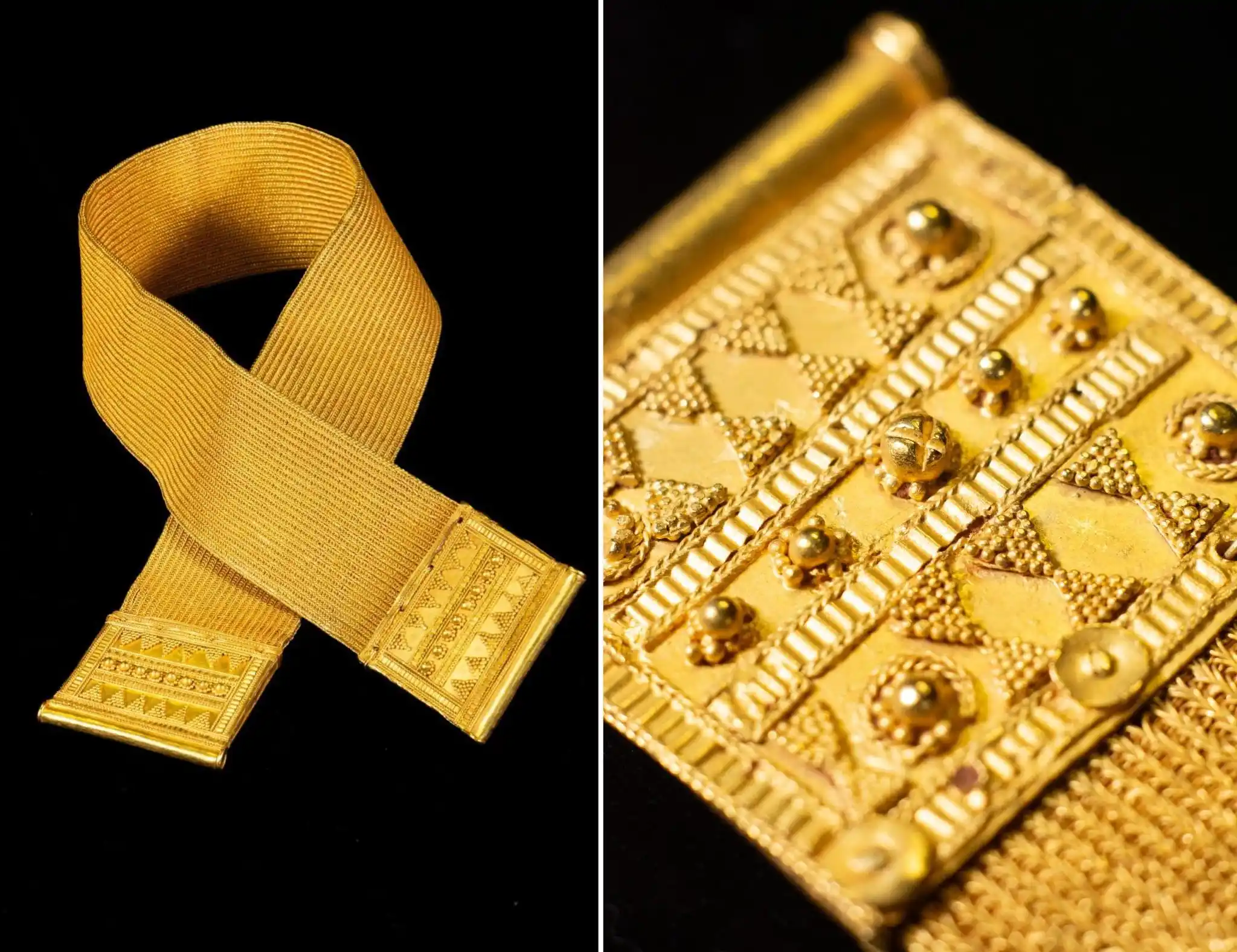
Craftsmanship: Fashioned from sheet and cast techniques, with intricate patterns that suggest both aesthetic and symbolic purposes.
Materials and Techniques
The belt was crafted using advanced methods of:
-
Hammering and chasing, to create detailed surface designs.
-
Casting, for shaping and strengthening structural components.
-
Polishing, to achieve a radiant finish befitting elite regalia.
Function and Meaning
This was no ordinary ornament. The belt would have belonged to an elite or royal figure, likely worn during rituals, ceremonies, or displays of status. Its sheer weight and craftsmanship signal both authority and sacred function.
Gold in Precolonial Philippine Culture
A Material of Prestige
Gold held immense value in precolonial Philippine societies. It was more than currency—it was a marker of power, lineage, and spirituality. Chiefs, shamans, and nobility often adorned themselves with gold jewelry, from earrings and necklaces to belts and diadems.
Spiritual Dimension
Gold also carried symbolic meanings. Its brilliance was associated with the divine and eternal, making it suitable for ritual use and as offerings to deities and ancestors.
The Social Role of Gold Belts
Gold belts were symbols of leadership and elite identity. Worn across the body, they accentuated authority and status. In some cases, belts also carried protective connotations, believed to shield the wearer from harm through the divine properties of gold.
The Surigao gold belt likely functioned as a status regalia, visible proof of the wearer’s elevated position within the social hierarchy.
Regional and Global Connections
Southeast Asian Parallels
Gold artifacts from Surigao share similarities with items found in Indonesia, Thailand, and Cambodia, indicating active trade and cultural exchange within the maritime Southeast Asian world.
Trade and Economy
The Philippines was part of a vibrant trade network where gold, spices, and other goods were exchanged with traders from China, India, and the Malay world. The Surigao belt reflects both local ingenuity and external influences, blending indigenous aesthetics with regional motifs.
Craftsmanship and Artistry
The gold belt demonstrates not only material wealth but also the technical expertise of ancient Filipino goldsmiths. Artisans mastered the transformation of raw gold into works of power and beauty, balancing durability with intricate design.
Their ability to work with such a large quantity of gold also points to organized mining, skilled labor, and specialized workshops, indicating a high level of socio-economic development.
The Royal Gold Belt in the Ayala Museum
Preservation and Display
Today, the belt is preserved in the Ayala Museum’s Gold of Ancestors collection, which houses hundreds of precolonial gold objects. Carefully displayed, it allows visitors to appreciate its weight, detail, and grandeur up close.
Educational Value
The museum uses the belt and related artifacts to educate audiences about the rich precolonial heritage of the Philippines, challenging narratives that portray the archipelago as culturally dormant before Spanish colonization.
Why the Royal Gold Belt Matters
The belt matters for several key reasons:
-
Historical Insight: It proves the existence of organized, hierarchical societies in the Philippines long before Western contact.
-
Cultural Significance: It highlights the role of gold in identity, ritual, and power.
-
Artistic Mastery: It showcases the extraordinary skills of precolonial goldsmiths.
-
Global Heritage: As part of the Surigao Treasure, it links Philippine culture to wider Southeast Asian and global networks.
The Legacy of Surigao’s Gold
The Surigao Treasure, and especially the royal gold belt, reminds us that the Philippines has deep roots in global history. Long before colonial empires reshaped the islands, local societies flourished, created art, and connected with neighboring cultures.
The belt, preserved in gold, offers a timeless reminder of prestige, spirituality, and craftsmanship. It bridges past and present, inviting modern audiences to rediscover a history too often overshadowed.
Conclusion: A Testament to Power and Artistry
The Royal Gold Belt of Surigao is not just an artifact; it is a statement of power, faith, and artistry. Crafted between the 10th and 13th centuries CE, it represents the pinnacle of precolonial Philippine goldsmithing, weighing a staggering 1 kilogram of pure gold.
Now housed in the Ayala Museum, it tells a story of wealth, tradition, and connectivity that challenges simplistic views of the Philippine past. For both scholars and the public, it stands as a glittering reminder that long before colonization, the Philippines already possessed a legacy of artistry and sophistication that deserves recognition on the global stage.
ALSO READ: The Statue of Taharqa Making an Offering to the Falcon God Hemen