1,700-Year-Old Roman Glass Bottle Unearthed in Mala Kopašnica, Serbia: A Window Into Ancient Roman Life
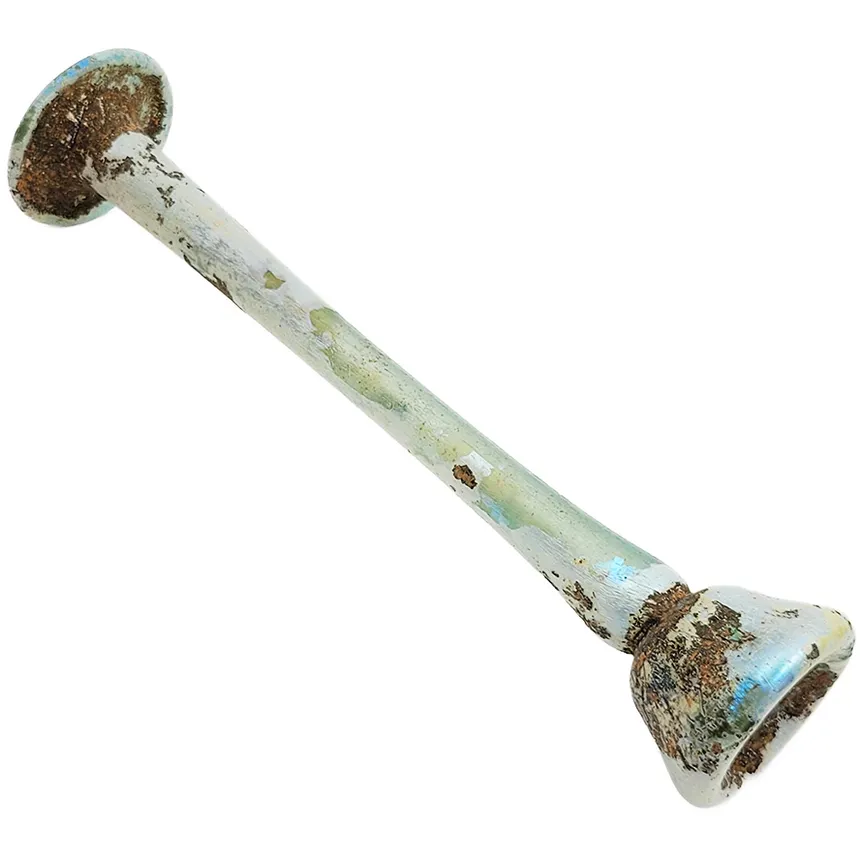
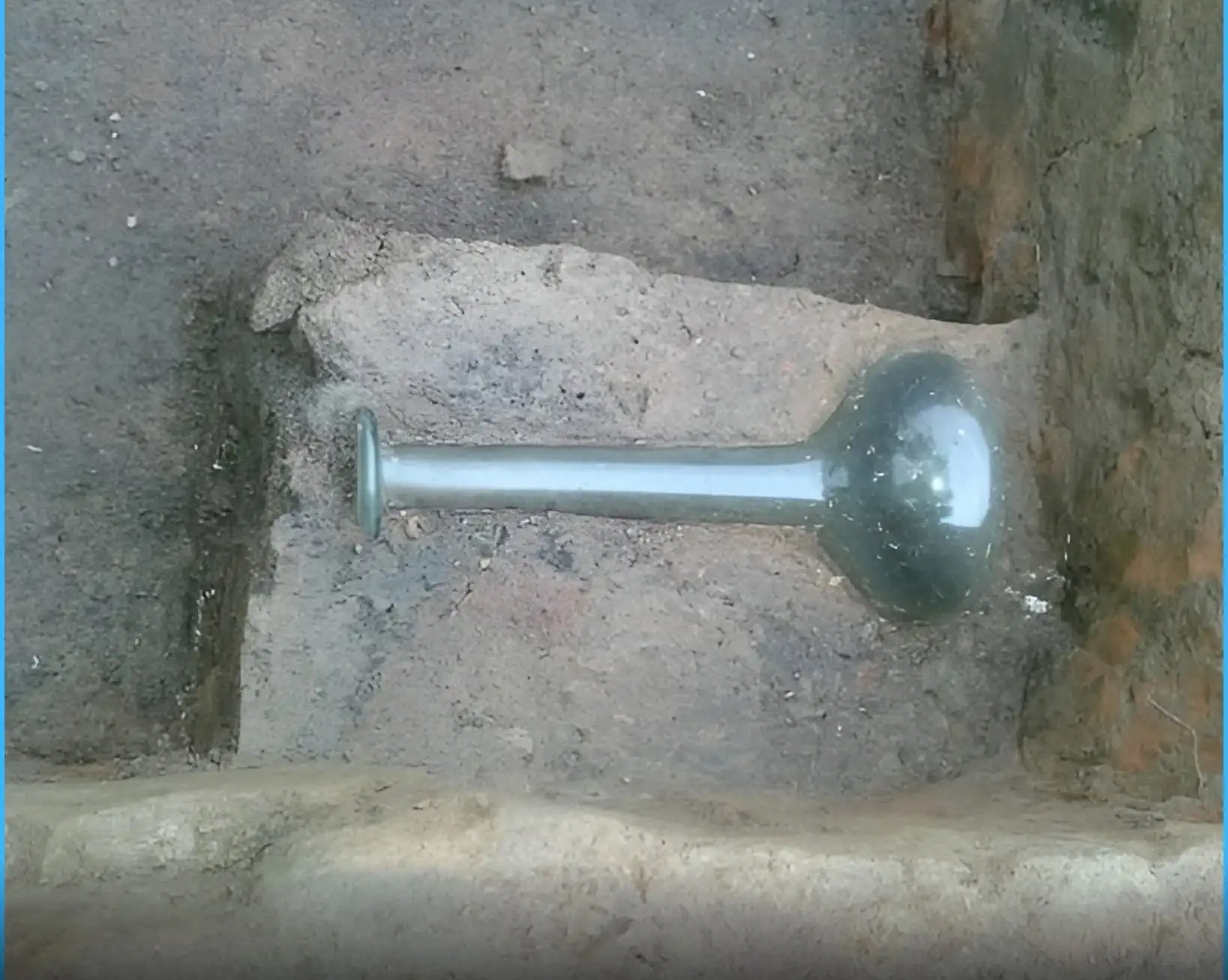
Archaeologists in southeastern Serbia have made a remarkable discovery in the village of Mala Kopašnica, near Leskovac—an intact Roman glass bottle dating back approximately 1,700 years, to the 2nd or 3rd century AD. This exceptionally preserved artifact was uncovered in situ within one of the graves at an ancient necropolis, offering a vivid connection to Roman funerary traditions and craftsmanship in the Balkans.
A Rare Glimpse Into Roman Funerary Practices
The Mala Kopašnica necropolis, part of a wider network of Roman-era burial grounds in the Leskovac region, has long fascinated archaeologists due to its strategic location within the former Roman province of Moesia Superior. The latest find—a perfectly preserved glass bottle—stands out not only for its age but also for its extraordinary condition.
The bottle was discovered lying beside the remains of the deceased, positioned carefully among other grave goods. Such items were often placed intentionally as part of funerary rituals, reflecting the Roman belief in an afterlife where personal belongings accompanied the soul on its journey beyond death.
Symbolism Behind Roman Burial Offerings
In Roman culture, burial offerings were far more than ornamental. They symbolized:
-
Protection and nourishment for the afterlife
-
Social status and wealth, reflecting the individual’s earthly life
-
Spiritual continuity, ensuring a smooth passage to the next world
The presence of a delicate glass vessel—likely used to hold perfume, oils, or precious liquids—demonstrates both personal care for the deceased and technical mastery in Roman glass production.
Mastery of Roman Glass-Making Techniques
The 2nd–3rd centuries AD represent the golden age of Roman glassmaking. During this time, glass artisans perfected the art of free-blown glass, allowing for thin-walled, lightweight vessels of extraordinary beauty and clarity.
The bottle from Mala Kopašnica exemplifies this innovation:
-
Material: Fine, translucent glass, likely made from a mixture of sand and natron.
-
Technique: Free-blown into shape using a blowpipe, then finished with tools to create a uniform neck and rounded body.
-
Design: Simple yet elegant, emphasizing both form and function.
Such craftsmanship points to the widespread trade and technological exchange across the Roman Empire, where workshops in regions like Syria, Egypt, and Italy influenced local Balkan artisans.
Trade Networks and Cultural Exchange
Glass items like this one were often traded across vast distances, carried along Roman roads that crisscrossed the empire. Serbia’s location along the Via Militaris—a key Roman road linking Singidunum (Belgrade) and Naissus (Niš)—made it a thriving hub of commerce and culture.
>The Mala Kopašnica bottle may have been a luxury import or a locally made imitation, revealing how Roman material culture penetrated even remote settlements.
Mala Kopašnica: A Window Into Roman Serbia
Archaeological Significance of the Leskovac Region
The Leskovac Basin, rich in archaeological remains, offers one of the most comprehensive records of Roman-era life in the Balkans. Excavations in and around Mala Kopašnica have revealed:
-
Necropolises containing cremations and inhumations
-
Residential structures and workshops
-
Coins, pottery, and jewelry representing diverse cultural influences
Each new discovery contributes to understanding how Roman provincial life blended imperial customs with local traditions.
The Necropolis of Mala Kopašnica
The necropolis where the glass bottle was unearthed appears to have been used by a community of Romanized locals, possibly soldiers, traders, or craftsmen. The graves, oriented east–west, suggest adherence to Roman funerary norms while also preserving traces of indigenous Balkan customs.
Archaeologists emphasize that the bottle’s contextual preservation—found untouched within its original burial setting—is what makes this find so exceptional. Many ancient glass artifacts survive only as fragments, but this example remains fully intact, making it an invaluable reference for study and display.
Connecting Life and Death in the Roman Empire
Roman burial practices were rooted in a deep respect for ancestry and the spiritual realm. Objects placed in graves often reflected the values and aspirations of the living:
-
Perfume bottles and cosmetic containers represented purity and beauty.
-
Coins (obols) were offerings to Charon, the mythical ferryman of the dead.
-
Ceramic and glass vessels symbolized sustenance for the journey to the afterlife.
The Mala Kopašnica glass bottle fits seamlessly into this worldview. Its delicate craftsmanship suggests it once contained precious oils or fragrances, possibly used during funerary rites or as a final gift to the deceased.
Preservation and Future Research
The bottle’s impeccable state of preservation allows researchers to conduct chemical and isotopic analyses, which could determine:
-
The origin of the raw materials used to make the glass
-
Whether the item was locally produced or imported
-
The contents it once held, through residue analysis
Such investigations can provide a micro-level view of Roman trade, shedding light on the movement of goods and ideas across the empire.
Conservation and Display
Local authorities and Serbia’s Institute for the Protection of Cultural Monuments have expressed plans to conserve and eventually display the artifact at the National Museum in Leskovac. Once restored, it will serve as a tangible reminder of Serbia’s rich Roman heritage and the timeless artistry of ancient craftsmen.
Cultural Heritage and Tourism Impact
Discoveries like the Mala Kopašnica glass bottle have the potential to revitalize cultural tourism in southeastern Serbia. The region, already known for its Roman archaeological sites such as Mediana (Niš) and Viminacium, is now gaining recognition for its smaller yet equally significant rural excavations.
By integrating these findings into heritage trails and museum exhibitions. Serbia can offer visitors a deeper appreciation of its ancient connections to the Roman world.
Conclusion: A Fragile Vessel Carrying Centuries of History
The 1,700-year-old Roman glass bottle unearthed in Mala Kopašnica is more than a beautiful relic. It is a story encapsulated in glass, bridging millennia between the ancient and modern worlds.
Its discovery provides crucial insight into:
-
Roman craftsmanship and technology
-
Funerary beliefs and rituals
-
The cultural fusion that defined the Balkan provinces of the empire
As archaeologists continue to explore the Mala Kopašnica necropolis, each find brings us closer to understanding. How ordinary people in Roman Serbia lived, died, and remembered their place in the vast expanse of the Roman Empire.
ALSO READ: The Perfect Chevron Mystery — Nature’s Precision or Ancient Engineering?