Unearthing Luguvalium: The Roman City Buried Beneath Carlisle’s Cricket Pitch
The Quiet Field and the Whispering Empire
In the heart of Carlisle, a city steeped in two millennia of history, the local Cricket Club offers a seemingly tranquil slice of modern life. Beneath its quiet, manicured green, however, lies a dramatic, deeply buried world—a Roman world—that is only now beginning to yield its extraordinary secrets. Each season of excavation at this unassuming site peels back layers of accumulated earth, transforming the field of play into a vibrant portal to the past.
The latest findings have galvanized the archaeological community, centered around a discovery that testifies to the sophistication and permanence of Roman life on Britain’s northern frontier. As researchers return to the site this year for the 2025 dig, excitement is mounting over what will emerge next from the ancient soil of what was once the Roman settlement of Luguvalium. The ongoing work is not merely uncovering ruins; it is challenging established narratives about the civilization that guarded the edge of the known world.
The Engineering Marvel: 1,800-Year-Old Roman Drain
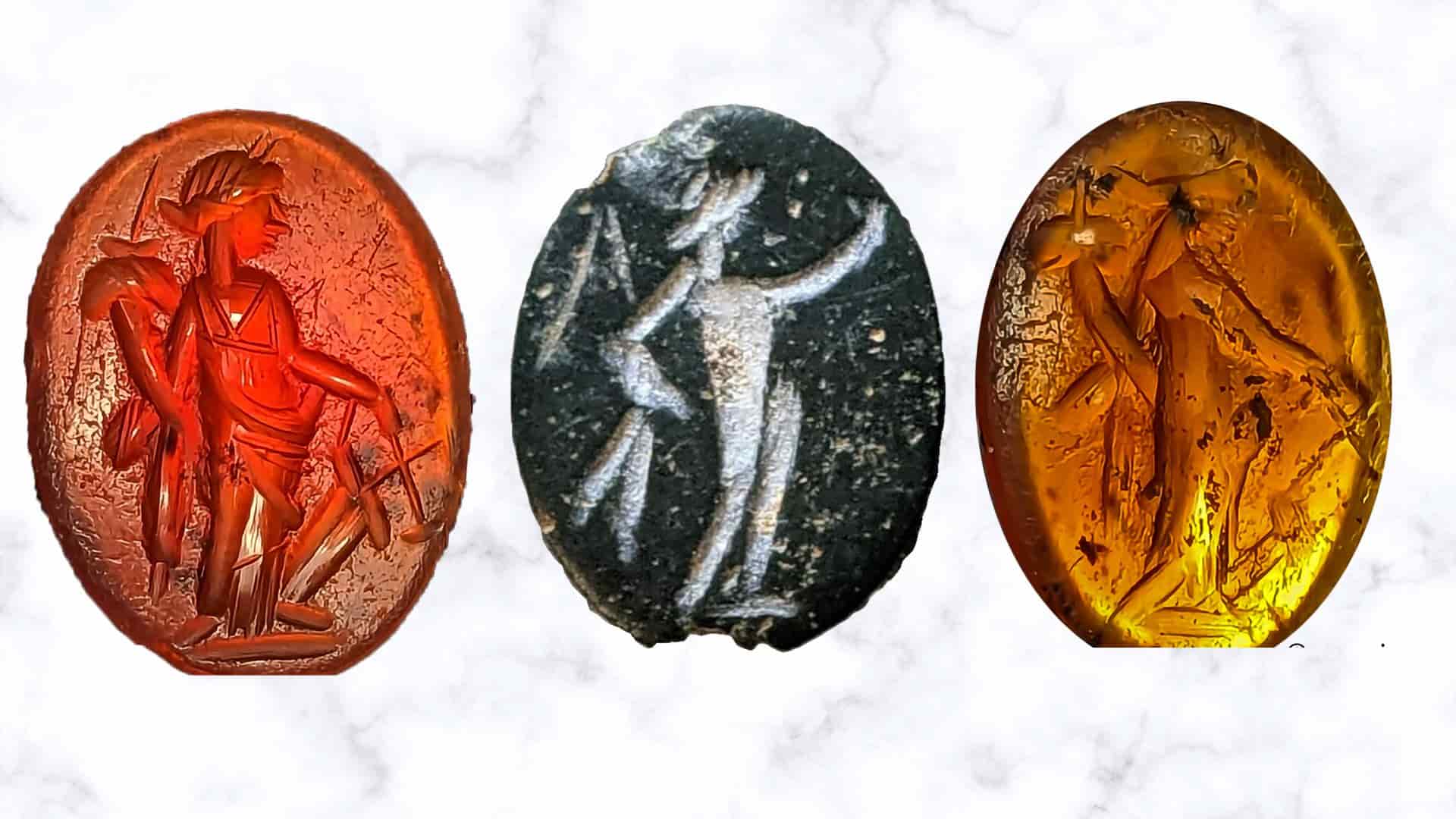
The most compelling discovery so far, captured in high-resolution imaging in late 2024, is an 1,800-year-old Roman drain. This deeply buried structure is a masterpiece of ancient civil engineering, carved and constructed with a meticulous precision that seems almost impossibly intact after two millennia. The excavation trench that slices down to the structure is a visual chronology, revealing just how much time, silt, and human history has accumulated since the last Roman boot walked over these grounds.
The drain’s construction speaks volumes about the Romans’ approach to urban living. It features well-laid stone channels, mortared and sloped to carry away stormwater and domestic waste efficiently. Its remarkable preservation provides clear evidence that the builders understood hydraulics, materials science, and the necessity of robust public infrastructure, even at the edge of the empire.
The mere presence of such a structure is immensely significant. It suggests the immediate vicinity was not merely a cluster of temporary barracks but a location of importance—likely part of a substantial public building, perhaps a large bathhouse, or even part of a principia (headquarters) or a civilian administrative complex. A facility that required such a significant drainage system implies both a large population and a highly organized, urbanized lifestyle. This level of engineering on the rugged frontier underscores the Roman commitment to replicating the comforts and organization of Rome itself, proving that life near Hadrian’s Wall was anything but primitive.
Luguvalium: Life on the Edge of the World
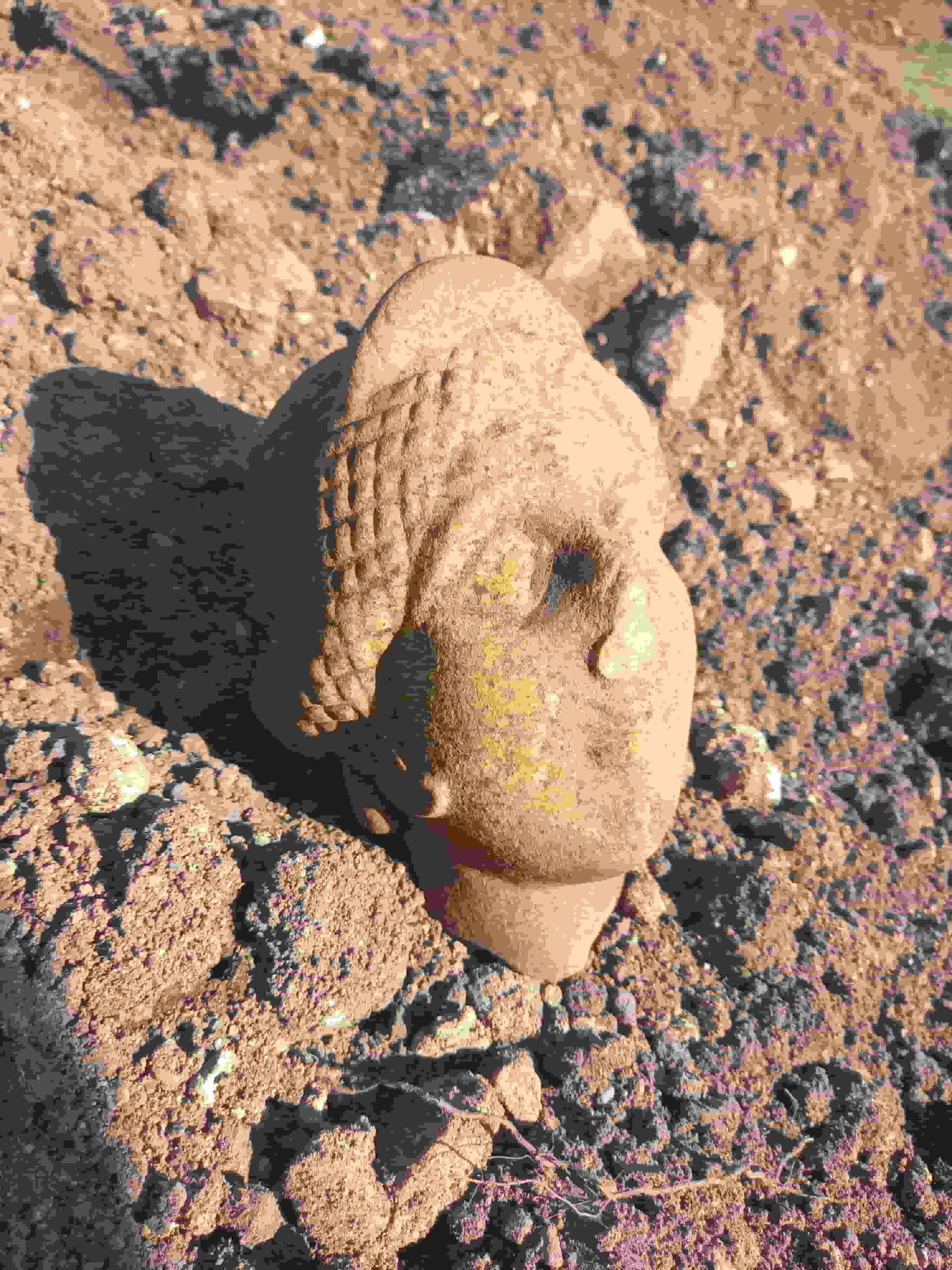
Carlisle’s ancient Roman name was Luguvalium. Positioned strategically just south of Hadrian’s Wall, it was a crucial hub—a nexus for military logistics, trade, and diplomacy. The discovery beneath the Cricket Club is now helping to map out the true scale and layout of this frontier town.
For decades, historians have known that the area was bustling, a melting pot of soldiers from across the empire, local Britons, and traders seeking to capitalize on the stability the legions provided. Yet, the physical evidence of the civilian settlement, the vicus, and its associated infrastructure has often been fragmentary.
The newly uncovered drain is a solid, architectural anchor. It proves that the Romans invested heavily in the infrastructure outside the immediate fortifications of the military fort. Pottery fragments, discarded coins, and finely carved stones—all unearthed near the drain’s line in previous seasons—have offered tantalizing glimpses of daily life. These objects are the detritus of a dynamic frontier economy: a legionary’s lost wages, a trader’s broken amphora, or a simple piece of funerary art. Each item helps to bridge the centuries. Painting a picture of a place that was far more sophisticated than the simple ‘military outpost’ model often suggested.
The continued exploration of this site promises to answer key questions. Was this drainage system connected to a major Imperial structure, or did it service a series of wealthy private dwellings? How did this area connect to the main fort, and how extensive was the civilian settlement that grew up around it? The Roman Carlisle Archaeological Discovery is quickly establishing itself as a vital piece in understanding the entire Hadrianic landscape.
The 2025 Dig: Following the Line of History
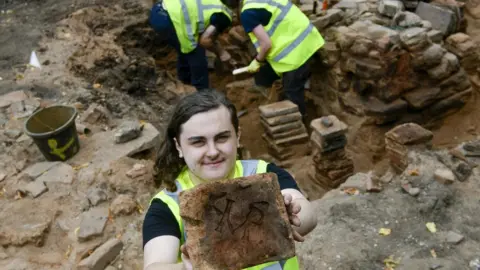
The excitement surrounding the 2025 excavation season is palpable. Having exposed the magnificent drain, the immediate goal is to follow its line. Both deeper and wider—to map the full extent of the structures that once surrounded it. Drains, much like modern utility lines, are historical signposts; they lead directly to the buildings they were designed to serve.
Archaeologists anticipate finding the foundations of the building this drain once served. Which could range from an Imperial residence to a communal bathhouse (thermae). A crucial social and sanitary institution in Roman life. The meticulous nature of the drain’s construction gives hope. That any associated masonry or foundational remains will also be remarkably preserved.
Furthermore, the team will focus on excavating the surrounding soil layers. Looking for stratified evidence that can accurately date the construction and modification of the site over the centuries. Luguvaliumwas an active settlement for hundreds of years; the site likely saw periods of rebuilding, destruction, and expansion. Analyzing the stratigraphy—the sequential layers of human activity. Will allow researchers to construct a definitive timeline of the Roman Carlisle settlement.
The Unfinished Story of the Northern Frontier
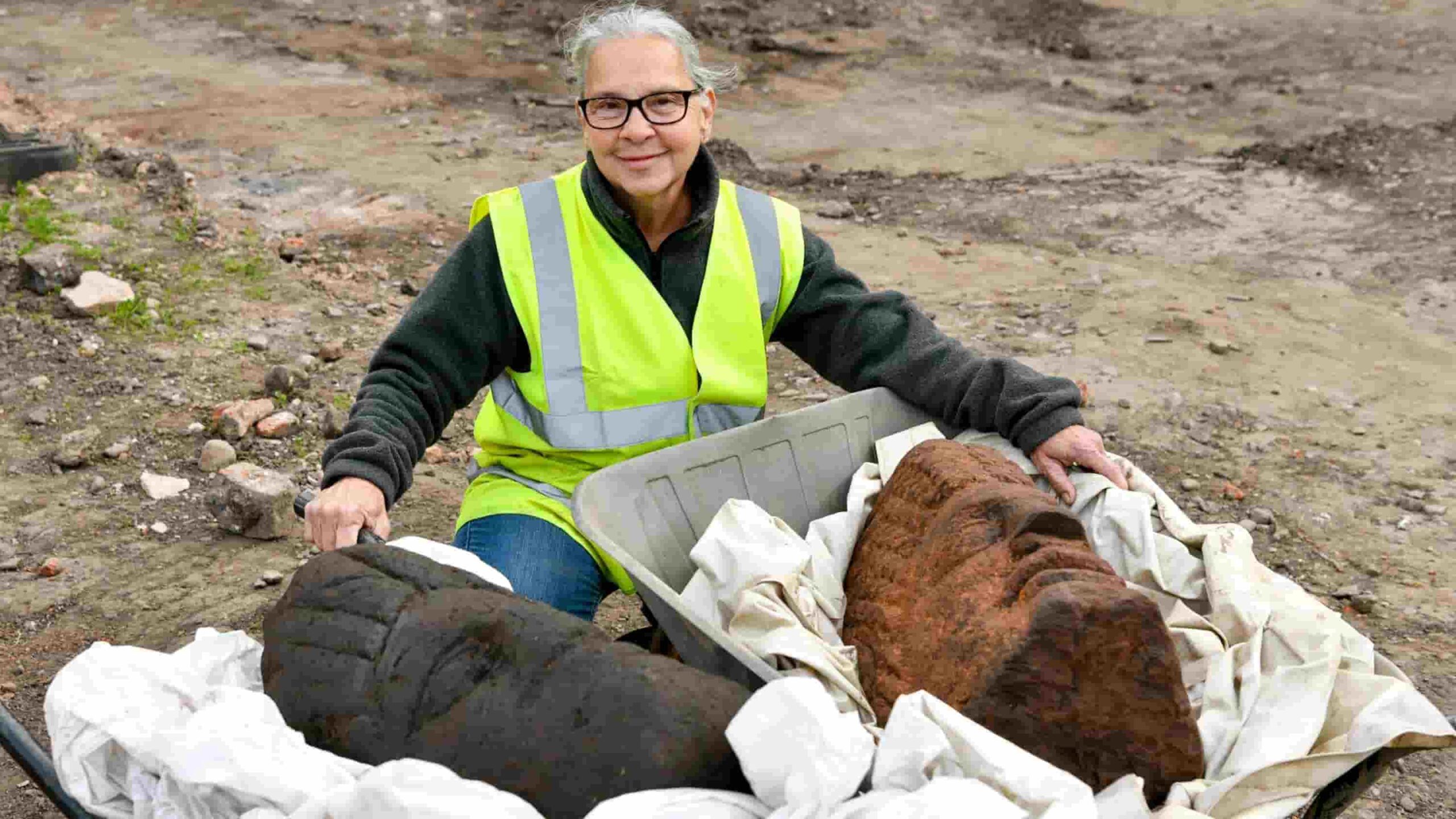
The work at Carlisle Cricket Club is more than a local dig. It contributes fundamentally to the global understanding of the Roman Empire’s limits. The discovery confirms that the Romans did not simply ‘hold the line’ at Hadrian’s Wall; they colonized the landscape. Bringing their advanced urban planning, law, trade, and social structures with them.
The discovery of a perfectly engineered, 1,800-year-old Roman drain under a modern sports field serves as a powerful reminder of the palimpsest of history beneath our feet. The ground beneath Carlisle is not silent. It is whispering the names and relating the stories of the soldiers and citizens of Luguvalium. With the 2025 excavation now underway, the portal to this ancient, sophisticated world is opening wider. Promising to illuminate the enduring legacy of Roman Frontier Life and rewriting the story of a city built not just on ambition, but on extraordinary engineering prowess.
ALSO READ: The Silent Eye in the Sky: The Story of a WWII Ball Turret Gunner