The Rök Stone: Decoding a Viking Age Message from the Past
A Monument to Viking Memory
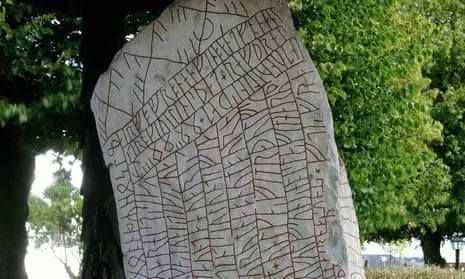
In the quiet landscapes of Östergötland, Sweden, stands the Rök Stone, an imposing granite slab nearly 8 feet tall. Carved during the early 9th century, this monument holds the longest known runic inscription in the world—over 700 runes etched in Old Norse.
At first glance, it appears to be a memorial erected by a grieving father for his deceased son. Yet, the stone’s meaning runs far deeper. Modern research suggests that the Rök Stone preserves not only a personal tribute but also a cultural memory of ancient catastrophes that shaped Viking worldview.
The Discovery and Context of the Rök Stone
A Landmark of Viking Age Sweden
The Rök Stone is named after the parish of Rök, where it was discovered centuries ago. Scholars believe it was erected around 800–830 AD, during a time when Christianity had not yet supplanted Norse pagan traditions.
A Father’s Tribute
Historical tradition holds that a local chieftain commissioned the monument in memory of his son. This personal tragedy became the anchor for an inscription that extended far beyond family grief into themes of survival, loss, and cosmic dread.
The Longest Runic Inscription Ever Found
Over 700 Runes
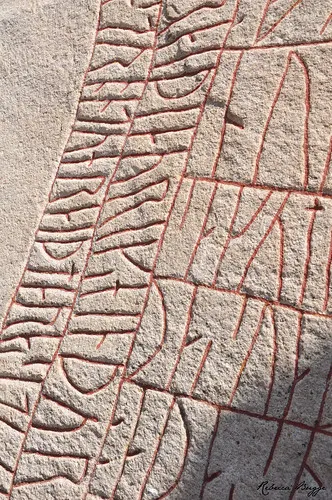
The Rök Stone’s inscription contains more than 700 runic characters, spread across all sides of the stone. This makes it the longest continuous runic text ever discovered, an unparalleled source for understanding Viking Age thought.
Complex Language and Codes
The text uses different rune types, cryptic formulas, and even coded patterns, which suggest it was crafted for an elite audience well-versed in poetic and symbolic traditions. Decoding it is not straightforward, and interpretations have varied for centuries.
Themes Within the Rök Stone’s Inscription
From Heroic Tales to Cosmic Fear
Earlier interpretations suggested the inscription recounted heroic deeds and mythological battles. More recent scholarship points to deeper themes:
-
Memories of harsh winters and famine.
-
Cosmic threats, including the fear of a sun that could vanish.
-
Warnings of existential struggle, connecting personal loss to broader survival.
A Link to Climate Catastrophe
Recent studies propose that the inscription references cultural memories of the climatic disaster of 536–550 AD. This period, triggered by massive volcanic eruptions, caused global cooling, crop failures, and widespread famine. In Scandinavia, it may have reduced populations drastically and left an enduring scar on collective memory.
The Catastrophe of 536 AD: A Forgotten Apocalypse
Volcanic Eruptions and Global Cooling
Between 536 and 550 AD, multiple volcanic eruptions darkened the skies across the Northern Hemisphere. Historical records describe a “sun without brightness” and summers of bitter cold.
Effects on Scandinavia
In northern Europe, where agriculture was already vulnerable, the impact was catastrophic. Harvests failed, livestock perished, and famine ravaged communities. Archaeological evidence suggests mass abandonment of settlements during this period.
Echoes in the Rök Stone
Scholars argue that by the 9th century, this traumatic past had crystallized into cultural memory. The Rök Stone’s runes may encode myths, warnings, and lessons born from the memory of that apocalyptic century.
Viking Worldview and the Rök Stone
Interpreting Nature as Divine Message
To the Vikings, natural events carried spiritual significance. Catastrophic winters and darkened skies were not merely environmental—they were omens of cosmic imbalance.
Survival and Resilience
The Rök Stone reflects a worldview shaped by fragility and endurance. By connecting personal grief with cosmic struggle, the monument symbolized both human vulnerability and the resilience needed to endure.
Scholarly Debates: What Does the Rök Stone Really Say?
Multiple Theories Over Time
-
Heroic Epic Theory: Some scholars believed the inscription referenced Theodoric the Great, a Gothic king celebrated in Germanic legend.
-
Mythological Theory: Others interpreted the text as recounting Ragnarök, the Norse apocalypse.
-
Climatic Catastrophe Theory: Recent interpretations suggest it encodes cultural memories of the 6th-century disaster.
The Ongoing Mystery
Despite decades of study, the Rök Stone resists definitive translation. This ambiguity keeps it at the forefront of archaeological and linguistic research, inspiring both academic inquiry and public fascination.
The Rök Stone in Viking Culture
Part of the Runestone Tradition
The Rök Stone belongs to a wider tradition of runestones, thousands of which dot Scandinavia. Yet, its scale and complexity make it unique.
A Cultural Time Capsule
Whereas most runestones commemorate individuals, the Rök Stone combines memorialization with philosophical and existential themes, acting as both gravestone and cultural time capsule.
Preservation and Public Access
Safeguarding the Stone
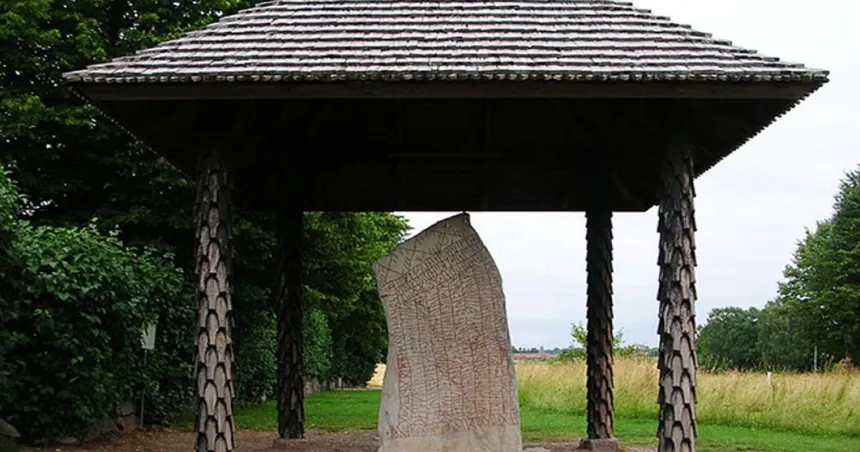
Due to weathering, the Rök Stone is now sheltered inside a protective building near its original location in Östergötland. This ensures that future generations can continue to study its enigmatic text.
Visiting the Rök Stone
Travelers to Sweden can visit the site, where interpretive materials provide context. Museums across Sweden also explore its history and the broader significance of runic culture.
Why the Rök Stone Still Matters Today
Lessons in Human Vulnerability
The Rök Stone reminds us that societies, ancient or modern, are deeply vulnerable to environmental change. The echoes of the 6th-century climate disaster resonate with today’s conversations about global warming and resilience.
A Testament to Memory
It also illustrates how humans encode traumatic experiences into cultural symbols, stories, and monuments. Just as the Rök Stone carries the memory of catastrophe, so too do modern societies create memorials to collective struggles.
Conclusion: A Voice Across the Centuries
The Rök Stone stands as one of the most haunting relics of the Viking Age. Towering above the Swedish countryside, it speaks not only of personal grief but also of cosmic anxieties, natural disasters, and cultural resilience.
Though its full meaning remains elusive, the stone endures as a message from the past—a reminder that even in the face of catastrophe, human societies strive to understand, adapt, and endure.
For historians, linguists, and travelers alike, the Rök Stone offers a window into the soul of the Viking world, etched in runes that continue to inspire wonder over a thousand years later.