Pompeii’s Villa of the Mysteries: Everyday Life Beyond the Frescoes
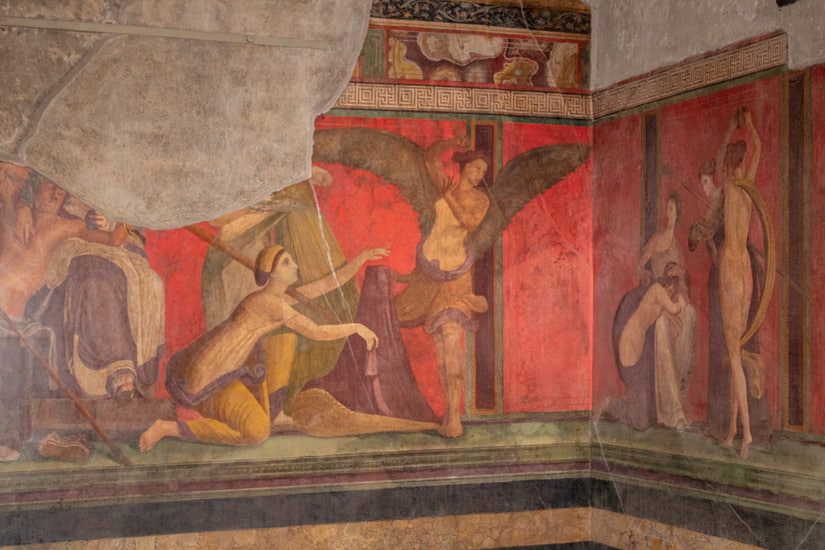
For centuries, Pompeii’s Villa of the Mysteries has captivated historians, archaeologists, and travelers. Its vivid wall frescoes—depicting enigmatic Dionysian initiation rituals—are among the best-preserved examples of Roman art. Yet, new excavations have uncovered something far less grand but equally profound: an ordinary stone bench opposite the villa’s entrance. This unassuming find is transforming how we view Roman life, social interaction, and the subtle choreography of daily existence.
A New Discovery Amid Ancient Splendor
In the shadow of Mount Vesuvius, archaeologists recently unearthed a stone bench built into the street facing the Villa of the Mysteries. At first glance, it might seem trivial compared to the villa’s luxurious interiors. However, its placement offers vital insight into the rhythms of Roman patronage. Researchers believe this bench served as a waiting spot for clients—humble citizens or freedmen—who came each morning to pay respects or seek favor from the villa’s powerful owner.
In ancient Rome, such patrons were key figures who offered protection and opportunity to their clients. In return, clients displayed loyalty, often accompanying their patron on public appearances or performing small tasks. These daily visits formed a foundational social ritual called the salutatio, blending politics, obligation, and personal loyalty.
The Client-Patron Ritual: Power in Motion
The discovery of the waiting bench transforms static ruins into a stage for action. Imagine early morning in Pompeii: the villa’s door opening onto the bustling Via dei Misteri, as clients gathered along the bench, chatting and waiting. Perhaps they carried petitions, letters, or small gifts, aware that each gesture might strengthen their bond with the household. For them, this modest bench represented opportunity—access to influence, protection, and stability.
By identifying such spaces, archaeologists are mapping the social choreography of Roman cities, highlighting how architecture reflected and facilitated human relationship networks. The patron’s grand atrium symbolized authority, while the waiting area outside embodied dependence and anticipation.
Graffiti and Human Expression
What elevates this discovery beyond architectural curiosity are the markings etched into the wall behind the bench. Archaeologists have documented numerous small carvings—simple lines, figures, and symbols left by those who once lingered there. These doodles, likely made with small knives or styluses, unveil the quieter moments of Roman life that grand artworks rarely capture.
While some carvings appear to be rough sketches of faces or animals, others are casual inscriptions, possibly initials or gestures of amusement during long waits. Such marks reveal the universal human impulse to leave traces—to assert presence amid anonymity. For the first time, we see the Villa of the Mysteries not just as a backdrop for elite ritual but as a living environment inhabited by countless lesser-known voices.
The Archaeology of the Ordinary
Modern archaeological scholarship increasingly seeks to understand not only monumental art but also mundane realities—the routines, emotions, and improvisations that shaped ancient existence. Finds like this waiting bench connect to a broader movement known as microarchaeology, which reconstructs behavior from small evidence: footprints, tool marks, or graffiti.
By studying spaces of waiting, labor, and conversation, researchers approach history from the ground level. The contrast between the villa’s luxurious frescoed chambers and the utilitarian bench outside encapsulates Roman society’s layered complexity. Power was never confined to marble halls—it extended into the streets, shaped by gestures of deference, exchange, and anticipation.
Rediscovering Pompeii’s Social Landscape
Pompeii’s preservation offers a unique chance to reconstruct social interactions with surprising intimacy. Streets, gardens, and courtyards are not merely ruins but echoes of conversation, footsteps, and laughter. The area around the Villa of the Mysteries, located just beyond Pompeii’s city walls, was more than an isolated estate. It was a node in a network of movement—where household servants, freedmen, vendors, and travelers intersected daily.
The newly discovered bench, therefore, represents more than just a place to sit. It symbolizes how power relationships manifested physically in urban spaces. Similar features have been recorded near other elite villas and public buildings, reinforcing that waiting areas were integral to Roman social order. They were thresholds—zones between inclusion and exclusion, privilege and petition.
Doodles as Human Time Capsules
Graffiti in Pompeii has long been a rich source of personal history. From humorous insults to poetic musings, scribbles on walls reveal the humor, frustration, and desires of people who lived 2,000 years ago. The doodles near this bench fit perfectly within that tradition. They remind us that ancient life was filled with fleeting moments—of boredom, longing, or amusement.
For archaeologists, studying graffiti is like decoding ancient social media. Each mark is a snapshot of human presence, uncurated and spontaneous. These carvings give names, gestures, and emotions to otherwise invisible individuals—the ones who rarely appear in official records or art. Such discoveries align with a growing archaeological interest in emotion and embodiment, understanding how people experienced time, waiting, and community in everyday settings.
The Villa of the Mysteries: A Dual Legacy
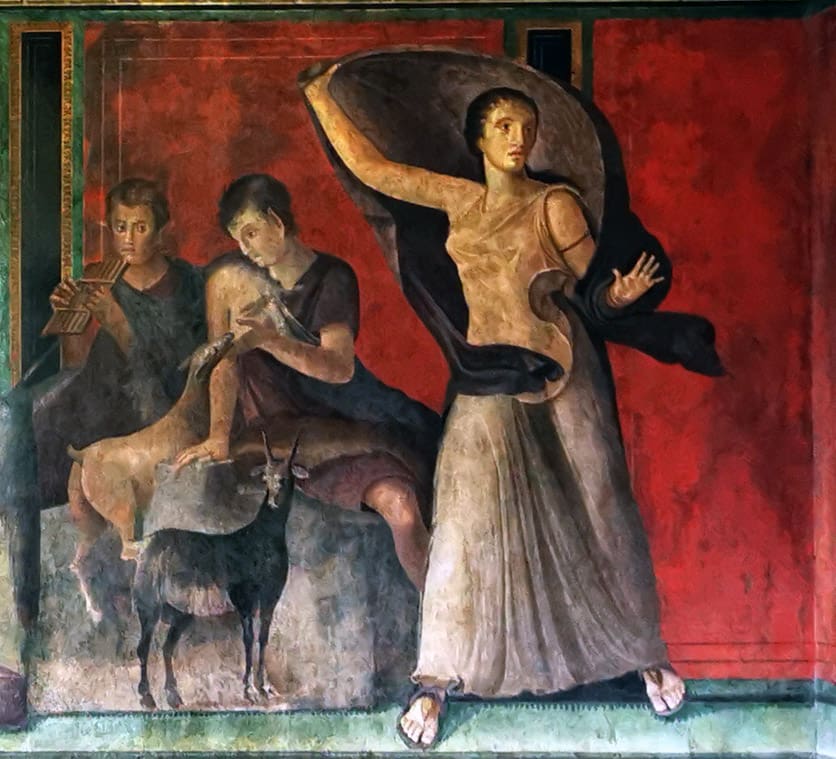
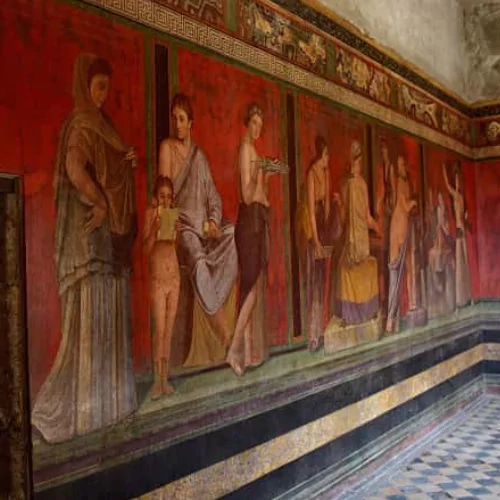
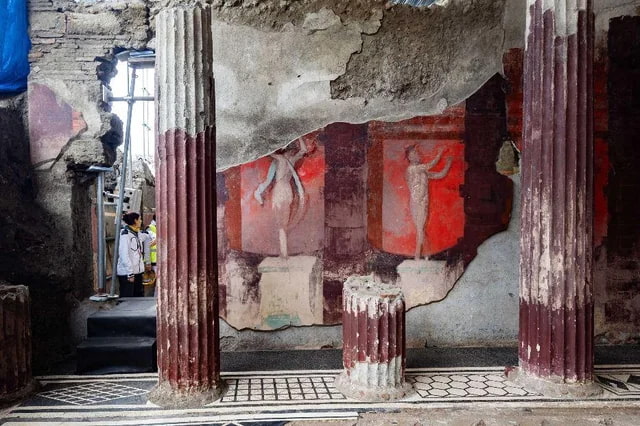
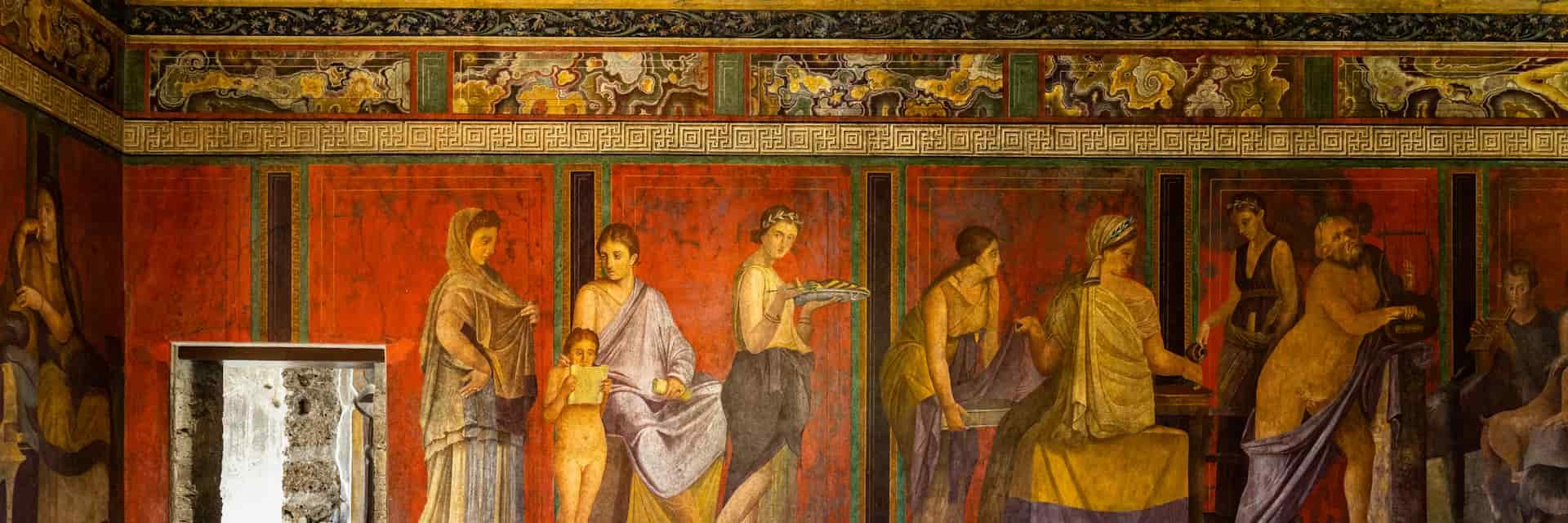
While the waiting bench enriches our understanding of daily life, the villa’s interior continues to fascinate for different reasons. Its famous fresco cycle portrays initiation rites associated with the cult of Dionysus, featuring processions, mythological scenes, and symbolic gestures. Scholars debate whether the room served as a real ritual space or a decorative celebration of social status.
Together, the frescoes and the bench create a striking duality. Inside, sacred mysteries unfolded—rituals of transcendence and divine ecstasy. Outside, mundane mysteries persisted—ordinary people waiting under the sun, marked by patience and expectation. The juxtaposition reveals how Roman life oscillated between grandeur and simplicity, reminding us that society was held together by both myth and routine.
Bridging Past and Present
Today, as visitors walk along Pompeii’s streets, these archaeological finds foster deeper empathy with the past. We recognize ourselves in those who waited outside the villa—checking the time, carving idle marks, perhaps sharing gossip. The humanity that emerges from such discoveries transcends centuries. Archaeology thus becomes a bridge not only between artifacts and interpretation but between people then and now.
The Villa of the Mysteries remains aptly named. Its mysteries are not limited to divine rituals but extend to the quiet stories of those who once lingered beyond its threshold. Each layer of excavation brings us closer to understanding how societal power, personal ambition, and everyday emotion coexisted within the grand theater of Roman life.
Conclusion: From Grandeur to Humanity
The discovery of the bench and its graffiti redefines how we interpret the Villa of the Mysteries—and Pompeii itself. Behind the frescoes of gods and spirits lies a more relatable narrative: people waiting, conversing, and passing time. These traces of ordinary humanity enrich the grand narrative of Roman civilization, turning ruins into witnesses of daily life.
Every scratch on the wall, every worn stone step, speaks of continuity between past and present. Archaeology’s greatest triumph lies not merely in uncovering beauty, but in revealing humanity in its simplest forms. At Pompeii’s Villa of the Mysteries, we see both sides of that legacy: the sacred and the everyday, the eternal and the ephemeral, coexisting beneath the same ash and sun.
ALSO READ: Sue II: The Mummified Tyrannosaurus Rex That Changed Paleontology Forever