Excavation Work Continues in Pompeii During the Christmas Holidays: Frescoes, Daily Life, and Ancient Splendor 🎨🏛️
Pompeii’s Eternal Story Unfolds
Even two millennia after Mount Vesuvius buried Pompeii beneath volcanic ash in 79 A.D., the city continues to surprise the world. Excavations never truly pause—even during the Christmas holidays, archaeologists press on, unearthing new layers of history and artistry that bring us closer to the daily lives of its ancient inhabitants.
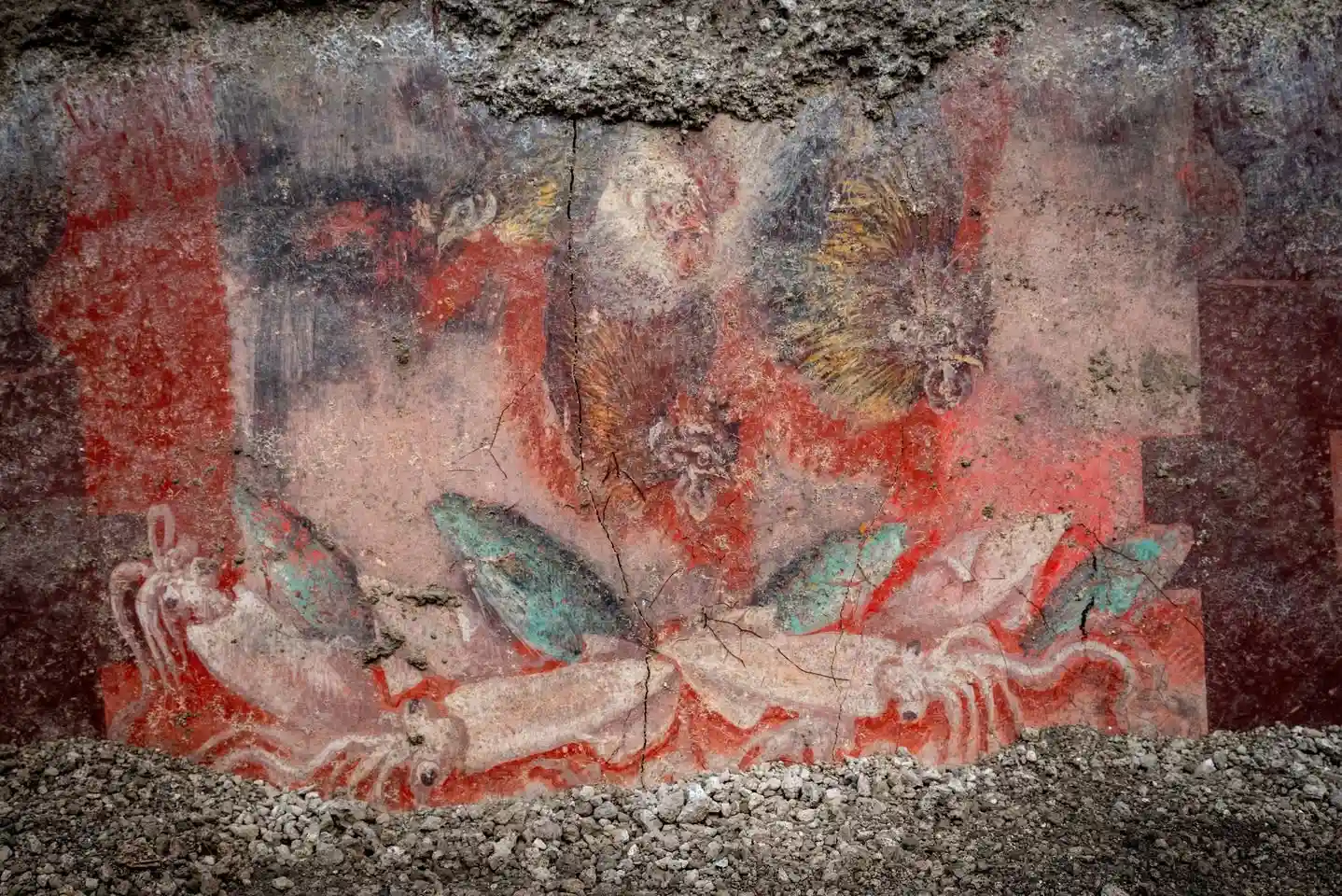
The latest discoveries in Regio IX, 10 have revealed parts of a grand domus (elite residence) adorned with extraordinary second-style frescoes. Among the treasures is a colonnaded oecus (hall) whose walls, carefully emerging from centuries of ash, are painted with scenes of opulence, abundance, and celebration.
The Setting: Regio IX, 10 in Pompeii
A Neighborhood Rich in History
Pompeii’s Regiones divide the city into districts for study and excavation. Regio IX, 10 lies near the bustling center, an area filled with shops, homes, and entertainment venues. This section of Pompeii reflects a vibrant mix of public and private spaces, where the grandeur of elite residences met the hum of everyday commerce.
A Grand Domus Comes to Light
The recently excavated domus stands as a testament to Pompeii’s wealthy elite. Its colonnaded oecus was a ceremonial hall where the family might host guests, conduct business, or display their cultural sophistication. The artistry of its walls makes clear that this was no ordinary household—it was a center of prestige.
The Second-Style Frescoes: Artistry in Red and Gold
Trompe-l’œil Illusions
The walls of the oecus feature second-style frescoes, a decorative style popular from the late 2nd century B.C. to the early 1st century A.D. Known for its illusionistic architecture, the second style uses painted columns, arches, and windows to create the impression of grander, more open spaces.
At Pompeii, the artists pushed this illusion further with a trompe-l’œil colonnade that opens onto a vivid painted scene of abundance.
Hunting Trophies and Banquets
Behind the painted columns, a feast of imagery unfolds:
-
Hunting trophies—boar, partridges, ducks, and chickens—hang proudly as symbols of power and wealth.
-
Seafood and fruits—reed baskets overflow with bluefish, squid, shellfish, and freshly gathered produce.
-
A rich red backdrop emphasizes both luxury and vitality, evoking the celebratory spirit of Roman banquets.
These frescoes transport us into the convivial world of Pompeii’s elite, where dining was not only about nourishment but also a performance of wealth and status.
Daily Life Through Art
Food, Festivity, and Status
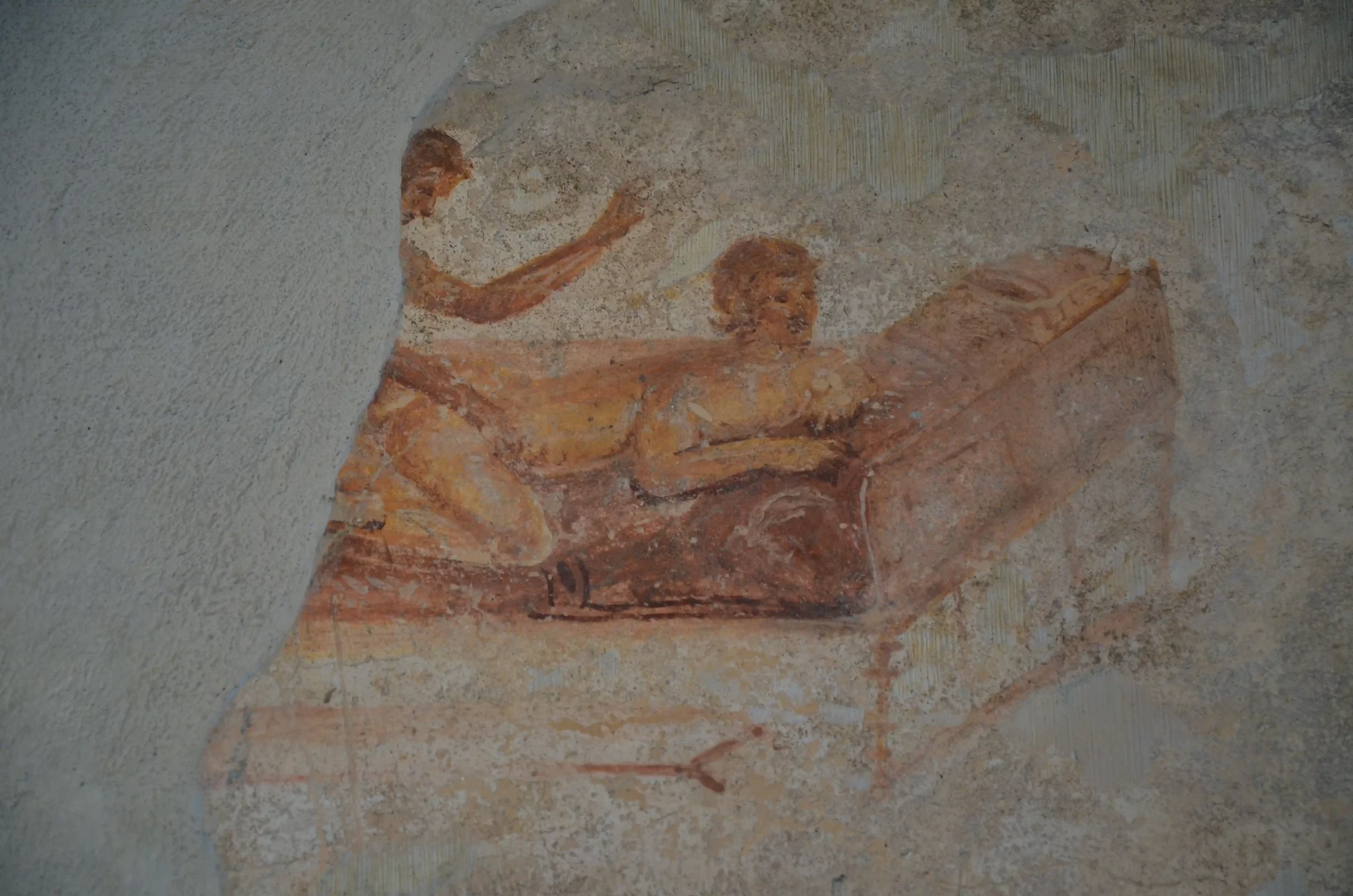
The frescoes of Regio IX do more than decorate—they document aspects of daily life in ancient Pompeii. The abundance of fish and game illustrates the Roman passion for elaborate banquets, where hosts showcased their access to diverse resources.
In Roman culture, meals were a stage for social competition, where cuisine, décor, and company elevated one’s reputation. The frescoes served as constant reminders of the family’s ability to partake in and provide such luxuries.
Symbolism in the Imagery
The imagery may also carry symbolic weight. Game animals represented hunting prowess, while seafood baskets could symbolize fertility and the bounty of nature. Together, these themes embody prosperity, abundance, and protection, aligning with Roman values of household fortune.
Excavations During the Holidays: Why Continue?
Preserving Pompeii’s Vast Heritage
Pompeii’s archaeological heritage is immense:
-
13,000 rooms documented.
-
1,070 residential units across the city.
-
Countless public buildings, temples, baths, and theaters.
Even today, only about two-thirds of Pompeii has been fully excavated. The Christmas excavations are part of a broader initiative to preserve and study this heritage while addressing pressing hydrogeological issues that threaten the site.
A Race Against Time
The volcanic ash that preserved Pompeii also poses challenges. Exposure to air, moisture, and human activity can rapidly degrade newly uncovered frescoes. Excavations, even during holiday periods, often aim to carefully unearth and immediately stabilize fragile artworks before they deteriorate.
Pompeii’s Artistic Legacy in Context
The Second Style and Roman Art
The second-style frescoes at Regio IX align Pompeii with broader trends in Roman art. Known for their illusionistic depth, these frescoes were designed to blur the boundary between real and imagined space. Wealthy Romans used such art to elevate domestic interiors, turning simple walls into theatrical displays.
Comparisons With Other Finds
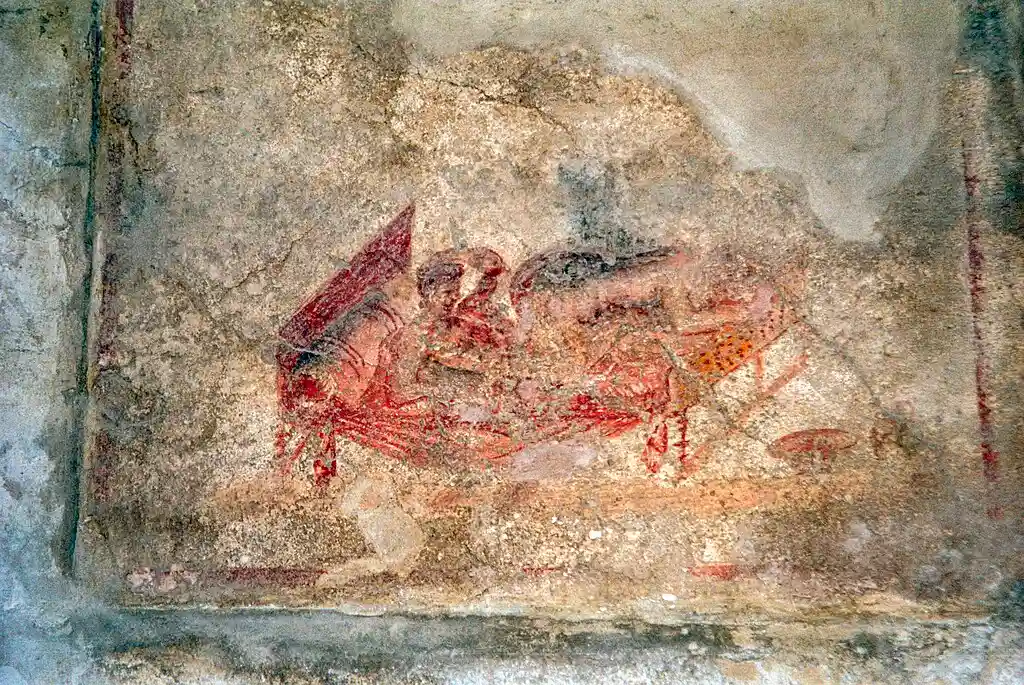
Similar frescoes have been discovered in other Pompeian houses, such as the Villa of the Mysteries, which features second-style illusionistic architecture combined with Dionysian imagery. The Regio IX frescoes add to this artistic tradition, enriching our understanding of elite taste in domestic decoration.
Modern Conservation and Public Access
Protecting the Frescoes
Conservation teams now face the task of preserving these delicate works. Methods include:
-
Environmental monitoring to prevent damage from humidity and temperature shifts.
-
Protective shelters during excavation.
-
Digital documentation to ensure high-resolution records for research and replication.
Sharing Pompeii’s Wonders
Once stabilized, these frescoes will become part of Pompeii’s extensive collection, accessible to both scholars and visitors. Virtual platforms may also allow global audiences to explore these vivid windows into Roman life.
Why These Discoveries Matter
A Human Connection Across Millennia
Every fresco, coin, or vessel unearthed in Pompeii narrows the distance between us and the city’s long-lost inhabitants. These artworks are not just relics—they are snapshots of laughter, conversation, and celebration, frozen in time by disaster.
Insights Into Resilience
The persistence of excavation—even during holidays—underscores humanity’s dedication to preserving cultural memory. Each discovery reflects not only the brilliance of ancient artisans but also the resilience of modern archaeologists safeguarding them for the future.
Conclusion: Pompeii’s Story Never Ends
The Christmas discoveries in Regio IX, 10 reaffirm Pompeii’s status as one of the world’s most important archaeological sites. From the opulent frescoes of the colonnaded oecus to the everyday artifacts of Roman life, each excavation deepens our appreciation of the city’s grandeur and fragility.
As archaeologists carefully peel back layers of ash and time, Pompeii continues to reveal new chapters in humanity’s story—chapters of survival, artistry, abundance, and loss. Even after two millennia, the city reminds us that beauty and tragedy are often intertwined, and that the voices of the past still speak through walls of painted stone and plaster.
ALSO READ: Mystical Monuments: Seahenge and Holme’s Ritual Battle Against a 4,000-Year-Old Cold Spell 🪵❄️