Cast of a Patagotitan Mayorum Dinosaur Femur: A Colossal Relic of the Cretaceous
A Bone that Redefined Giants
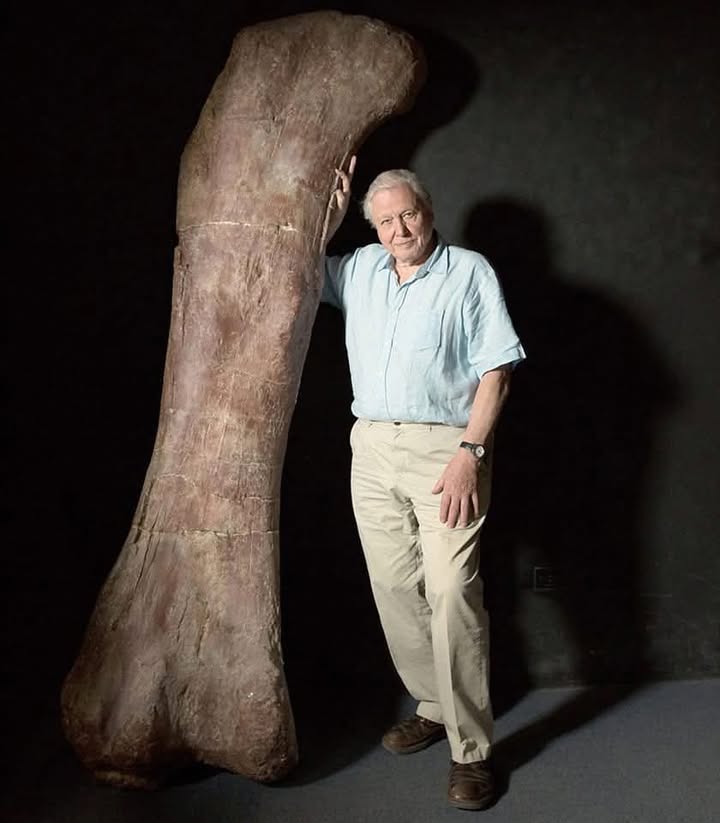
When scientists uncovered the remains of Patagotitan mayorum, a colossal sauropod dinosaur, in southern Argentina, they were not just finding fossils—they were rewriting the limits of Earth’s prehistoric giants. Among the remarkable discoveries was a femur (thigh bone) measuring 2.4 meters (almost 8 feet). Today, a cast of this massive bone helps scientists and the public visualize the sheer scale of the dinosaur, often hailed as one of the largest creatures to have ever walked the Earth.
This femur cast, now displayed in museums worldwide, bridges the gap between raw data and human imagination, allowing us to comprehend the biological wonders of the Cretaceous Period, more than 101 million years ago.
The Discovery in Patagonia, Argentina
Unearthing a Giant
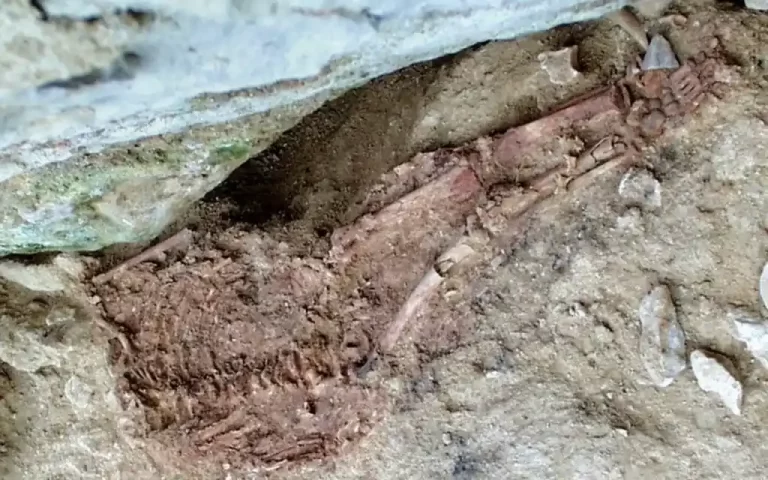
In 2014, paleontologists in southern Argentina’s Patagonia region made a groundbreaking discovery. Fossilized bones belonging to several individuals of the same sauropod species were unearthed from a site surrounded by volcanic ash deposits.
Among the fossils, the most striking was a 2.4-meter-long femur—so large that it dwarfed human researchers standing beside it. Alongside this thigh bone, scientists uncovered vertebrae, ribs, and other limb bones, offering an unprecedented look into the anatomy of a gigantic dinosaur.
Dating the Fossils
By analyzing the ash deposits in surrounding rock layers, scientists determined that these bones dated back approximately 101.6 million years, placing them firmly in the Cretaceous Period. This was a time when sauropods like Patagotitan dominated ecosystems across South America.
Patagotitan Mayorum: The Giant Sauropod
Size Estimates
Initially, researchers estimated that Patagotitan mayorum reached an astonishing 37 meters (121 feet) in length and weighed more than 70 tonnes. These measurements suggested it may have been the largest dinosaur ever discovered.
Later studies refined these numbers, placing the dinosaur at around 31 meters (101 feet) long and weighing approximately 57 tonnes. While slightly smaller than the earliest claims, Patagotitan still ranks among the largest known terrestrial animals in Earth’s history.
Anatomy and Characteristics
As a sauropod, Patagotitan exhibited features typical of the group:
-
Long neck for high browsing of vegetation.
-
Massive pillar-like legs for supporting its immense body weight.
-
Whip-like tail for balance and potential defense.
-
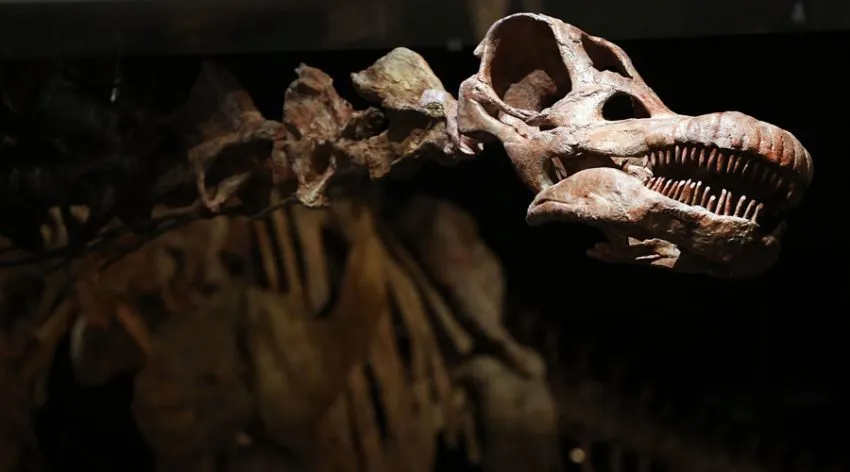
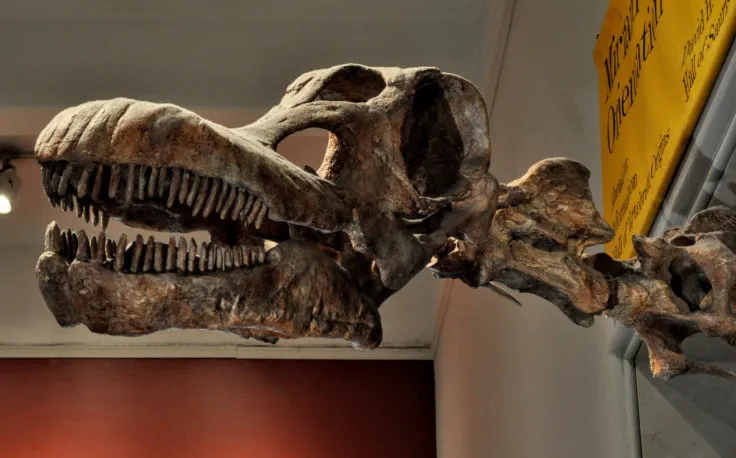
Relatively small head compared to its body size.
The femur alone highlights the dinosaur’s colossal build—the largest thigh bone ever recorded in paleontology.
The Cast of the Femur: Bringing Giants to Life
Why Casts Are Important
While the original femur fossil remains preserved under controlled conditions, casts of the femur allow museums around the world to display the remarkable size of this bone without risking damage to the original.
Casts are scientifically accurate replicas, created using molds that capture every detail of the fossil’s surface. These reproductions:
-
Allow public engagement, letting visitors appreciate the dinosaur’s scale.
-
Help scientists share data globally.
-
Provide educational resources without risking fragile originals.
The Dimensions
The cast measures:
-
Length: 2.4 meters (almost 8 feet).
-
Thickness: Massive enough to show the weight-bearing adaptations of sauropods.
Placed in exhibition halls, the femur cast dwarfs viewers, making it one of the most awe-inspiring fossils in any museum collection.
Life in the Cretaceous: Patagotitan’s World
Environment of Patagonia
During the Cretaceous Period, the region that is now southern Argentina was lush with forests, rivers, and floodplains. This environment supported vast herds of sauropods like Patagotitan, along with predators, smaller herbivores, and flying reptiles.
Diet and Lifestyle
Patagotitan was an herbivore, consuming enormous amounts of vegetation daily. With its long neck, it likely browsed from tall conifers and other high-growing plants, while its sheer size deterred most predators.
Social Structure
The discovery of multiple individuals at the same site suggests that Patagotitan may have lived in herds, a common trait among sauropods that provided protection and stability.
Scientific Significance of the Femur
Understanding Sauropod Biology
The femur provides insights into:
-
Weight distribution: The massive thigh bone reveals how Patagotitan supported its bulk.
-
Locomotion: Analysis of the bone structure helps reconstruct how the dinosaur moved.
-
Growth patterns: Microscopic study of bone tissue can reveal age and growth rates.
Redefining “Largest Dinosaur”
The femur cast helped scientists estimate the dinosaur’s size, sparking debates about which species truly holds the title of largest dinosaur ever known. While Argentinosaurus and Dreadnoughtus are also contenders, Patagotitan remains one of the top candidates.
From Fossil to Museum: A Global Journey
The Original Fossil
The original femur, along with other bones, is preserved in Argentina under the care of scientific institutions.
International Exhibits
Casts of the femur are now displayed in major museums worldwide, including institutions in New York, London, and Buenos Aires, where they captivate audiences with their sheer scale.
Visitors stand in awe, realizing that Earth’s prehistoric giants were not myths but real animals whose bones still survive millions of years later.
Why Patagotitan Inspires Wonder
The cast of the femur is not just a fossil—it’s a reminder of Earth’s evolutionary history and the extremes of life’s potential. Its significance lies in:
-
Scale: Demonstrating the limits of terrestrial gigantism.
-
Science: Offering evidence to refine size estimates of sauropods.
-
Education: Inspiring the public to learn about dinosaurs and paleontology.
-
Global heritage: Connecting modern humans with a deep past that shaped our planet.
Conclusion: Standing in the Shadow of Giants
The cast of the Patagotitan mayorum femur is more than a replica—it’s a window into a prehistoric world where giants walked the Earth. Measuring 2.4 meters long, the bone exemplifies the scale and power of sauropods, creatures that continue to inspire awe across generations.
Discovered in southern Argentina and dated to 101.6 million years ago, Patagotitan redefined scientific understanding of the limits of dinosaur size. Today, its femur cast displayed in museums allows us to stand before a relic of prehistory and marvel at nature’s capacity for gigantism.
In doing so, it reminds us of the fragility of life, the passage of time, and the enduring importance of scientific discovery.
ALSO READ: Ceramic Plate with Geometric Design: A Hallstatt Culture Masterpiece