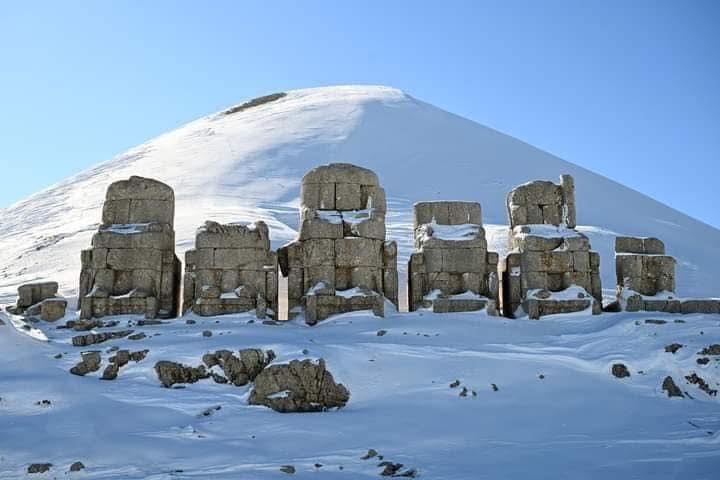
Ollantaytambo: The Majestic Inca Fortress in Peru 🏯⛰️
A Fortress Among the Andes
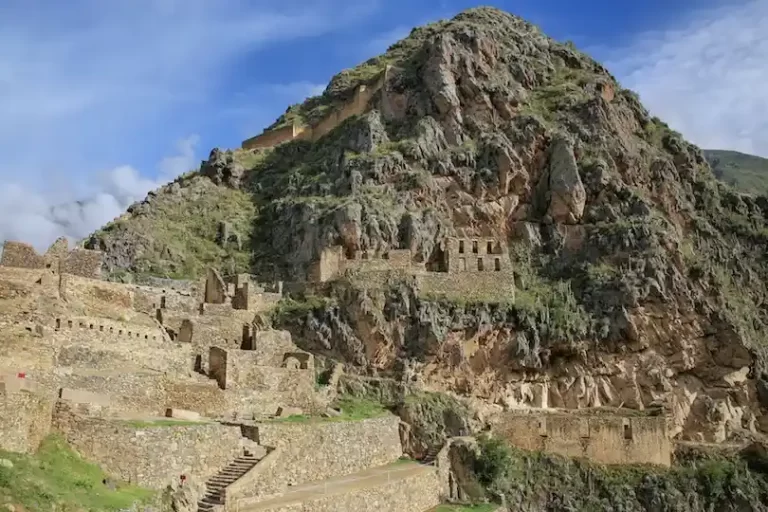
Nestled in the Sacred Valley of Peru, Ollantaytambo stands as one of the most remarkable Inca archaeological sites. Built in the 15th century CE, this complex served as both a strategic fortress and ceremonial center, demonstrating the ingenuity and artistry of the Inca civilization.
Ollantaytambo’s massive terraces, finely carved granite blocks, and carefully planned layout reflect the Inca’s mastery of engineering, military strategy, and urban planning. Today, it is not only a tourist destination but also a symbol of Inca resilience and culture.
Historical Context: The Inca Empire and Ollantaytambo
The Rise of the Inca Empire
The Inca Empire (c. 1438–1533 CE) expanded across the Andes, unifying vast territories through military conquests, trade, and sophisticated administration. The Ollantaytambo played a key role in the empire’s defense and religious life, connecting the Sacred Valley to Cusco, the empire’s capital.
Ollantaytambo in Inca History
Ollantaytambo was originally constructed under Emperor Pachacuti and further developed by his successors. It was the site of critical battles against the Spanish conquistadors, where Inca forces used the fortress’s terraces and strategic positioning to their advantage.
Architecture and Urban Design
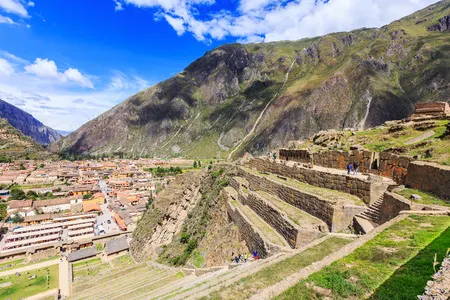
Terraces and Agricultural Engineering
The fortress features stepped terraces that served multiple purposes:
-
Agricultural terraces sustained crops like maize and potatoes, providing food for residents and soldiers.
-
Defensive terraces slowed invading forces and provided vantage points for archers.
-
Erosion control stabilized the hillside and preserved the structures against landslides.
The terraces exemplify the Inca’s advanced understanding of hydrology, agriculture, and mountain engineering.
Massive Granite Walls
Ollantaytambo’s most striking feature is its enormous stone blocks, some weighing over 50 tons. These stones were:
-
Carefully quarried and transported, likely using manpower, ropes, and levers.
-
Precisely fitted without mortar, showcasing the Inca’s advanced masonry techniques known as ashlar stonework.
-
Angled and sloped to withstand earthquakes, a testament to their knowledge of seismic engineering.
Ceremonial and Residential Areas
The site includes:
-
Temple of the Sun: A sacred space for rituals, aligned with solar events.
-
Royal quarters and plazas: Reserved for nobles and administrative functions.
-
Water channels and fountains: Demonstrating the Inca’s expertise in hydraulic engineering.
The combination of religious, residential, and defensive structures highlights Ollantaytambo’s multifaceted purpose.
Strategic Significance
Military Defense
Ollantaytambo’s hilltop location, steep terraces, and narrow access routes made it a formidable fortress. During the Spanish conquest, Inca warriors used the high ground and terraces to hold off invaders, making it one of the last strongholds of Inca resistance.
Connection to the Sacred Valley
The fortress controlled key routes in the Sacred Valley, enabling oversight of trade, agriculture, and communication. Its strategic location also allowed the coordination of religious and administrative activities across the region.
Art and Stonework
Precision of Carving
The granite blocks at Ollantaytambo demonstrate remarkable precision, with stones interlocking perfectly without mortar. Some blocks feature:
-
Polished surfaces that reflect sunlight.
-
Complex geometric shapes, including trapezoids and polygonal stones, which increase structural stability.
-
Engravings and symbolic carvings, reflecting Inca cosmology and spiritual beliefs.
Aesthetic and Functional Design
The Inca balanced function and artistry, creating structures that were both defensive and visually harmonious with the surrounding landscape. The careful integration of terraces, walls, and plazas creates a sense of order and grandeur.
Religious and Ceremonial Role
Temple of the Sun
The Temple of the Sun served as a ceremonial hub where priests conducted astronomical observations, solar rituals, and offerings. Its alignment with the sun during solstices and equinoxes reflects the Inca’s astronomical knowledge.
Sacred Spaces and Rituals
Plazas and ceremonial platforms at Ollantaytambo were designed for community gatherings, religious events, and royal processions. These spaces reinforced social hierarchy and spiritual life, emphasizing the connection between the emperor, priests, and the people.
Daily Life at Ollantaytambo
Inhabitants and Administration
The fortress was home to nobles, priests, and soldiers, with residential areas carefully organized for efficient governance and protection. Administrative functions included tax collection, agricultural management, and coordination of labor forces.
Agriculture and Food Supply
Terraced fields provided a steady supply of crops, while sophisticated irrigation channels transported water from nearby rivers. The agricultural system ensured that the fortress could sustain its inhabitants even during sieges.
Artisans and Builders
Craftsmen played a vital role in constructing the fortress, producing stone carvings, pottery, textiles, and ceremonial artifacts. Their work reflects both technical skill and cultural expression, essential to the Inca identity.
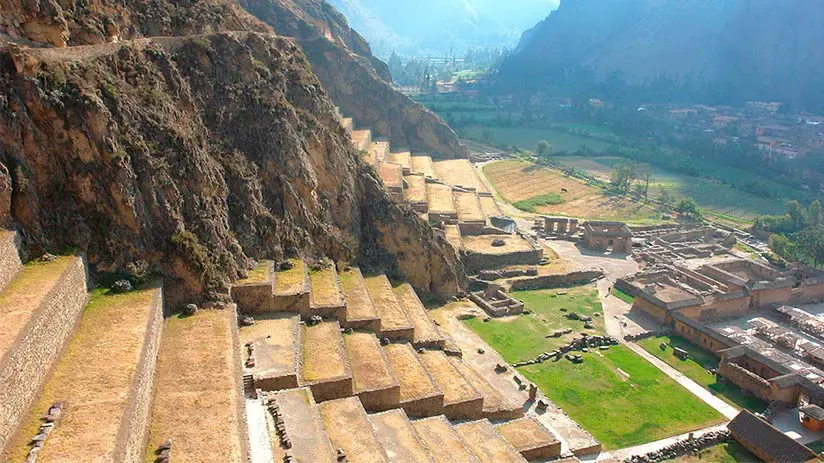
Legacy and Preservation
Survival Through Centuries
Ollantaytambo has withstood centuries of earthquakes, erosion, and human activity, thanks to its earthquake-resistant stonework and strategic design.
Archaeological Significance
Modern excavations have revealed details about Inca urban planning, agriculture, and ceremonial practices, providing insight into pre-Columbian Andean civilization.
Tourism and Cultural Heritage
Ollantaytambo is a major tourist destination and a gateway to Machu Picchu. Visitors can explore terraces, temples, and fountains while learning about Inca history, engineering, and spirituality.
Visiting Ollantaytambo Today
Getting There
Ollantaytambo is accessible by road and train from Cusco and serves as a stopover for Machu Picchu excursions.
Key Highlights
-
Terraces and agricultural zones: Experience Inca ingenuity in hillside farming.
-
Temple of the Sun: Observe solar alignments and ceremonial platforms.
-
Fortress walls: Marvel at massive granite blocks and precise stonework.
Practical Tips
-
Wear comfortable walking shoes for uneven terrain.
-
Visit early in the morning to avoid crowds and see sunrise lighting the terraces.
-
Consider a guided tour to understand the history, symbolism, and engineering techniques.
Why Ollantaytambo Matters
-
Architectural Mastery: Exemplifies Inca stonework, terraces, and fortress design.
-
Historical Significance: Site of military, ceremonial, and administrative importance.
-
Cultural Insight: Reveals Inca spirituality, astronomy, and daily life.
-
Tourism and Education: Provides immersive learning for travelers, historians, and archaeologists.
Ollantaytambo is more than a fortress—it is a living monument to Inca ingenuity, resilience, and spiritual devotion, offering a glimpse into a civilization that continues to inspire wonder.
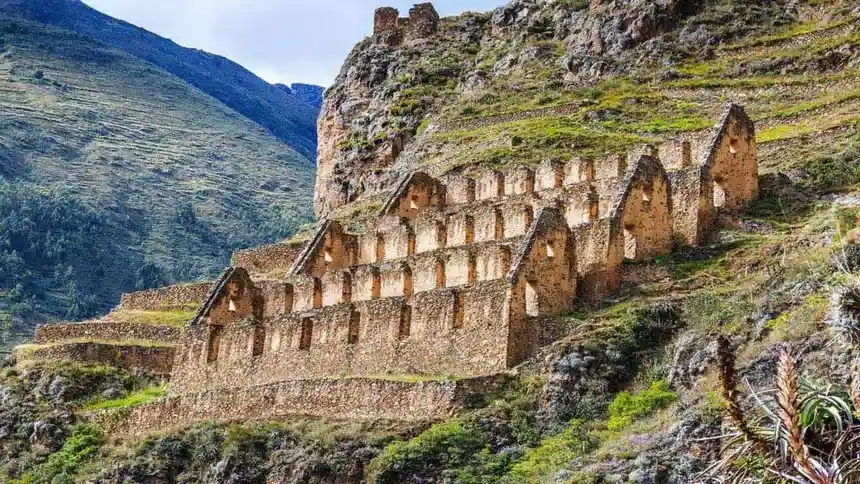
Conclusion: A Timeless Andean Fortress
From its 15th-century origins to its status as a modern archaeological treasure, Ollantaytambo embodies the brilliance of Inca engineering, spirituality, and strategic planning. Its terraces, massive granite walls, and ceremonial spaces tell a story of power, faith, and cultural sophistication.
Visiting Ollantaytambo allows travelers to walk in the footsteps of the Incas, exploring a site where architecture, agriculture, and astronomy intersect. As a fortress, ceremonial center, and cultural hub, it remains a symbol of the enduring legacy of the Inca Empire, inspiring generations to admire and preserve the wonders of the Andes.
ALSO READ: Statue of Queen Tiye: A Masterpiece of 18th Dynasty Egypt 👑🗿