Unveiling the Ancient Voices at Newspaper Rock: A Glimpse into Native American Heritage
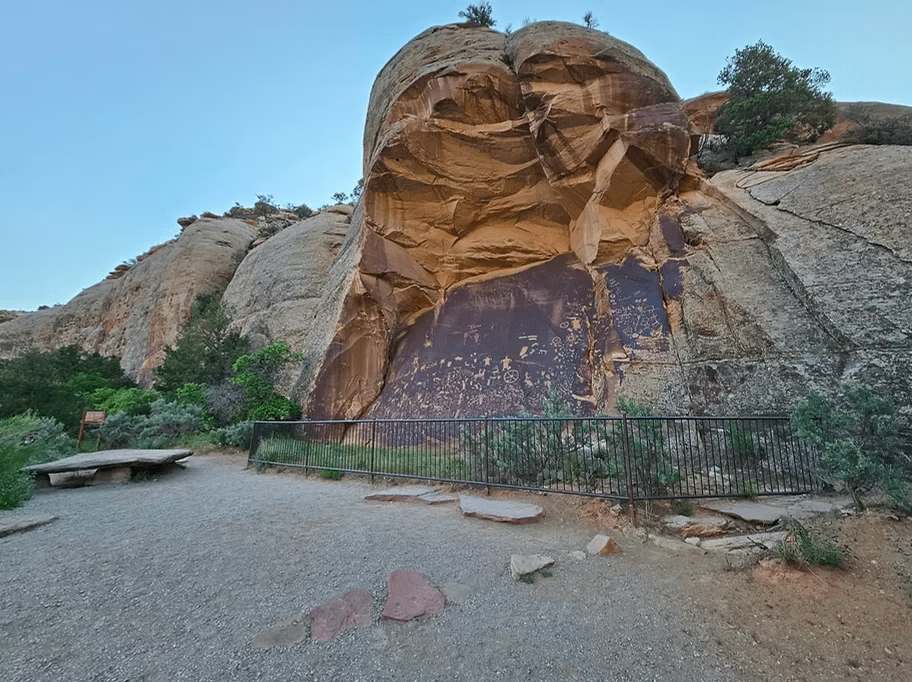
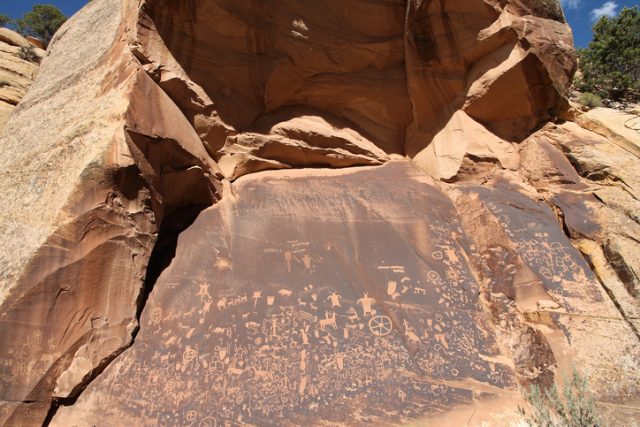
Hidden deep within the red-rock canyons of Indian Creek State Park in southeastern Utah lies an archaeological marvel unlike any other — Newspaper Rock. This sprawling sandstone panel, adorned with hundreds of petroglyphs, stands as one of North America’s most important records of prehistoric Native American art and culture. For centuries, its surface has served as a canvas for generations of Indigenous peoples who carved their stories, beliefs, and memories into stone.
Spanning nearly 200 square feet, Newspaper Rock holds an estimated 650 recognizable figures and symbols, some dating back more than two millennia. The carvings—etched into a dark coating known as desert varnish—have transformed the cliff face into a rich, visual narrative that invites interpretation, wonder, and respect.
The Origins of Newspaper Rock
Newspaper Rock, officially designated as a State Historic Monument in 1961, takes its name from early settlers who remarked that the dense carvings resembled newsprint columns. Yet, long before western eyes ever saw it, this natural monument was a sacred storytelling space shared by multiple tribal cultures, including the Ancestral Puebloans (Anasazi), Fremont, and later, the Ute and Navajo peoples.
Archaeologists believe the site’s earliest petroglyphs were carved around 200 BCE during the Archaic period, with later additions spanning into the 19th century. This continuity makes Newspaper Rock an exceptional example of how Indigenous communities used rock art as a living language—one that evolved through time, adapting to changing beliefs, lifestyles, and environmental realities.
For local tribes, each symbolic mark is a transmission of knowledge, a form of connection between ancestors and descendants. Unlike a written alphabet, these symbols do not conform to a single translation; instead, they embody layers of meaning derived from cultural context and oral tradition.
Decoding the Symbols: Art, Ritual, and Memory
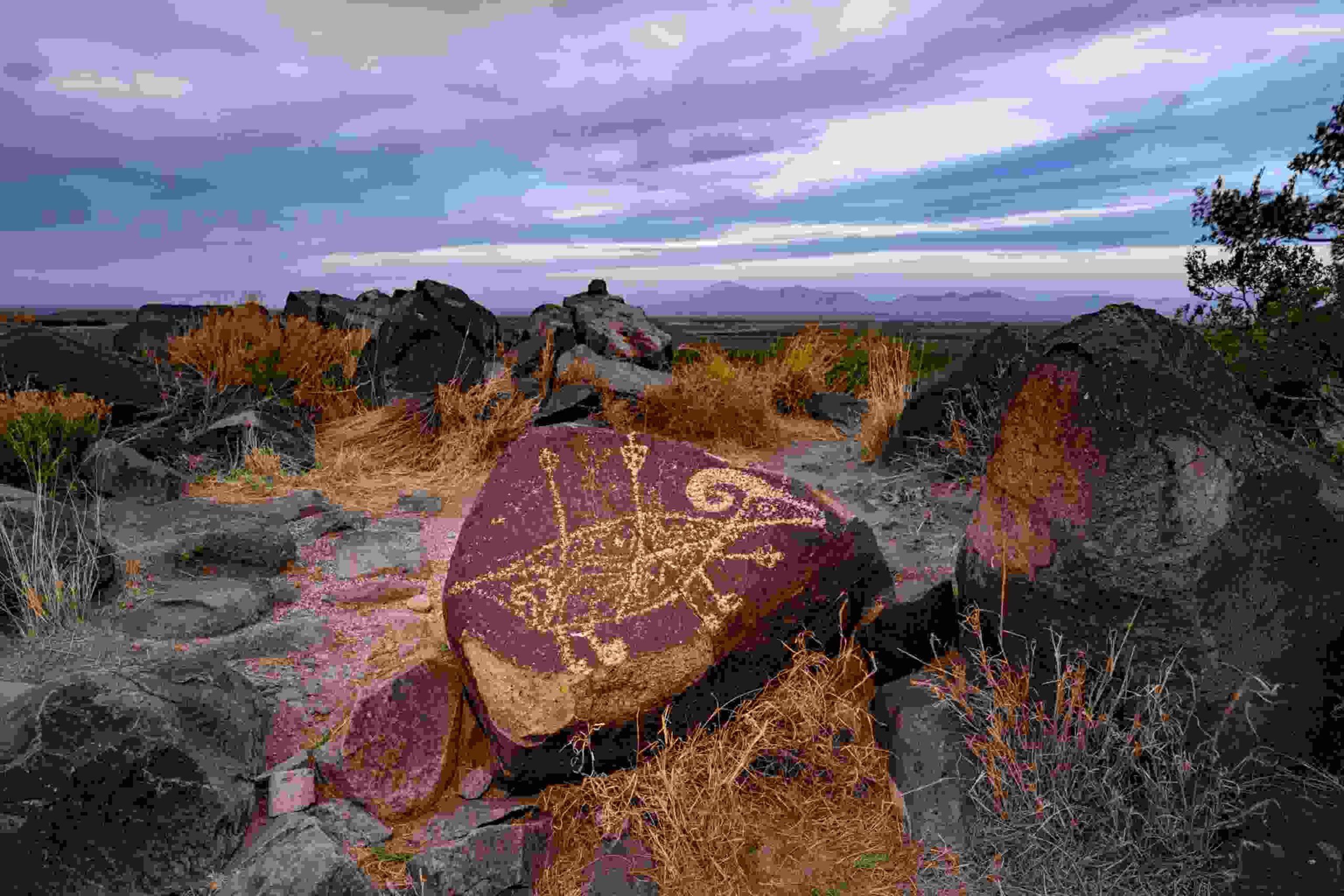
The carvings on Newspaper Rock display an extraordinary range of imagery. Human figures appear alongside bison, deer, and big-horned sheep, their stylized forms suggesting stories of hunting, fertility, and communal survival. Spirals and concentric circles may symbolize the sun, time, or cycles of renewal, while intricate geometric shapes hint at spiritual journeys or astronomical observations.
Some of the most intriguing figures include:
-
Anthropomorphs: Stylized human-like shapes possibly representing shamans or spirit beings.
-
Animals: Depictions of hoofed mammals, snakes, and birds, often associated with hunting or spiritual power.
-
Footprints and handprints: Indicators of presence or travel, perhaps marking territorial boundaries or ceremonial paths.
-
Abstract patterns: Zigzags, dots, and curving lines, hypothesized to represent water, energy, or movement.
These designs were not random decorations but deliberate acts of communication and meaning-making. Many researchers believe Newspaper Rock served multiple purposes—part historical record, part spiritual invocation, and part social map.
The Technique Behind the Petroglyphs
The mystery of how these intricate carvings were made adds to their allure. The rock face is covered with a dark patina called “desert varnish,” a thin layer formed by the oxidation of manganese and iron over thousands of years. Ancient artists skillfully chipped or scraped away this varnish using stone tools, revealing the lighter sandstone beneath. This process created a striking contrast, ensuring the symbols were visible even under the desert sun.
Utah’s arid climate has provided ideal conditions for preserving the carvings. Rainfall is scarce, erosion is slow, and the varnish’s mineral stability has kept the petroglyphs sharply defined. Few other rock art sites in North America possess this combination of scale, diversity, and clarity.
Cultural Significance and Living Heritage
To Indigenous communities, Newspaper Rock is far more than an archaeological site—it is sacred ground. The rock’s symbols serve as a bridge between worlds, linking human experience to the spiritual and natural realms. For the Navajo, who call it Tse’ Hane’, meaning “rock that tells a story,” the petroglyphs are manifestations of ancestral memory and guiding wisdom.
Tribal elders view the site as a place where the voices of ancestors remain alive, encoded in stone. These carvings embody continuity and resilience, carrying emotional weight that extends far beyond their visual beauty. Modern Indigenous artists and storytellers draw inspiration from such ancient expressions, seeing in them an enduring testament to creative and spiritual endurance.
Interpreting Ancient Voices: Academic and Indigenous Perspectives
Deciphering the precise meanings behind the petroglyphs poses challenges. Western archaeologists often rely on stylistic analysis, ethnographic comparison, and dating techniques to interpret these symbols, but Indigenous perspectives emphasize cultural continuity and sacred storytelling.
According to tribal traditions, some figures may represent rituals, cosmologies, or visions encountered during spiritual journeys. Others could reference real events—hunts, migrations, or encounters with neighboring tribes. The coexistence of multiple styles layered through time suggests the site was visited repeatedly and shared across generations.
Today’s interpretation efforts increasingly involve collaboration between archaeologists and Indigenous knowledge holders, promoting cultural respect and contextual integrity. These dialogues ensure that the voices inscribed on Newspaper Rock are understood. Not merely as artifacts but as living elements of ongoing heritage.
Visiting Newspaper Rock: A Journey Through Time
Newspaper Rock is located along Utah Highway 211, about 25 miles northwest of Monticello and serves as the gateway to Canyonlands National Park’s Needles District. The site is easily accessible to visitors year-round. With interpretive signs that provide context about the petroglyphs and the tribes who created them.
When visiting, respect for the site is paramount. Climbing or touching the rock can cause irreversible damage to its surface, erasing millennia of history. Visitors are encouraged to view from a distance, listen, and reflect. To approach the experience as a conversation with the past.
For photographers and historians alike, the site offers breathtaking visuals. As sunlight shifts across the sandstone wall, new details emerge. Revealing the depth of overlapping figures and time-weathered marks—a silent yet eloquent story written by countless hands.
Why Newspaper Rock Matters Today
In a digital age where communication flashes by in seconds, Newspaper Rock reminds us of the enduring human desire to share stories, record experiences, and connect across time. It stands as a physical embodiment of memory—an archive of Indigenous creativity that resisted oblivion through art.
The preservation of this site is not simply a matter of protecting an archaeological monument. But of honoring cultural sovereignty and heritage. Each symbol is a voice, one that continues to echo through the desert air. Teaching that every mark left behind is a form of remembrance.
As contemporary Native communities reclaim and celebrate their ancestral narratives, sites like Newspaper Rock gain renewed importance. They are not relics confined to the past but living storytellers. Reminding all who visit that humanity’s oldest language is not written in ink or pixels, but carved in stone.
ALSO READ: LDN 43 — The Cosmic Bat Nebula: A Dark Cradle of Stars