The Mysterious Elongated Skulls of Paracas: Unraveling an Ancient Andean Enigma
Discovery That Shocked the Archaeological World
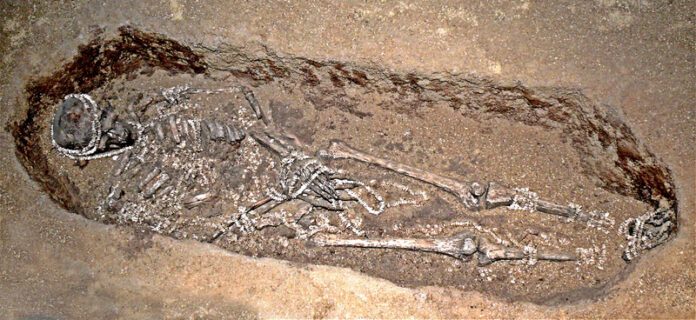
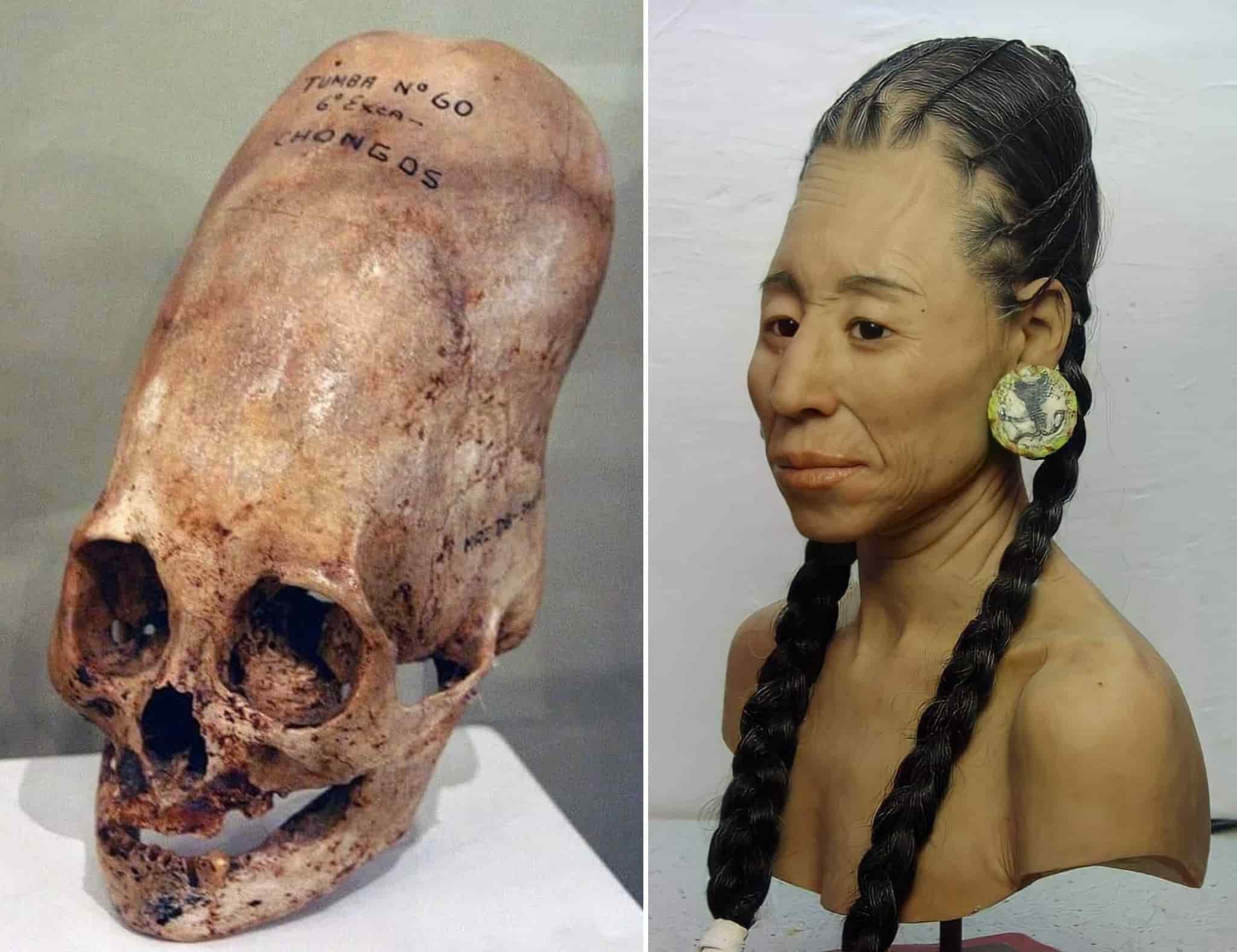
In 1928, Peruvian archaeologist Julio C. Tello, often called the “Father of Peruvian Archaeology,” made a remarkable discovery in the Paracas Peninsula along the southern coast of Peru. While excavating a vast desert necropolis known as the Paracas Cavernas, Tello unearthed more than 300 skulls — some of which displayed an extraordinary and unnatural elongation of the cranium.
These skulls, later dated to around 2,800 years ago, became known as the Paracas elongated skulls. Their unusual shape immediately sparked debate and fascination, leading to theories ranging from ancient cultural practices to extraterrestrial origins. But beyond the sensationalism lies a profound anthropological story — one that reveals much about the complex rituals, identities, and social hierarchies of ancient Andean peoples.
The Paracas Culture: A Civilization of Artistry and Innovation
The Paracas culture flourished on the arid southern coast of Peru between 800 BCE and 100 BCE, preceding the more widely known Nazca civilization. Despite living in one of the driest regions on Earth, the Paracas people created a thriving society based on fishing, agriculture, and trade.
They are best remembered for their textile artistry, producing brilliantly colored fabrics woven from alpaca and cotton fibers — some of the most sophisticated in pre-Columbian South America. Yet, their funerary practices, particularly the discovery of the elongated skulls, reveal an equally fascinating spiritual and cultural dimension.
The Elongated Skulls: What the Evidence Shows
Physical Characteristics
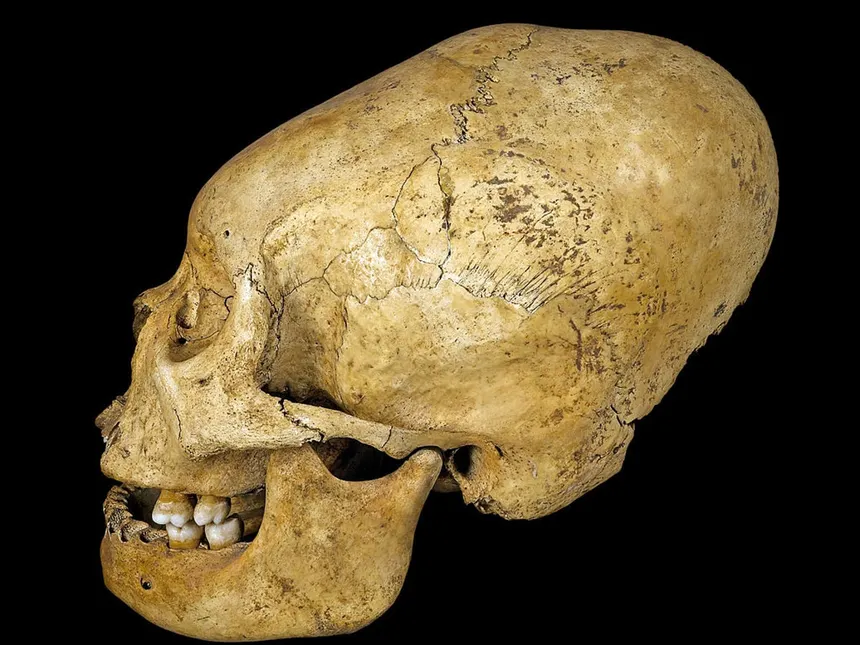
The elongated skulls of Paracas are 25–30% larger and 60% heavier than typical human skulls. They feature an extended cranial vault — stretching backward and upward — giving them a distinctive “cone-shaped” appearance. Importantly, these skulls also exhibit altered cranial sutures and expanded cranial volume, leading some early observers to suggest they represented a different human species.
However, modern anthropology provides a more grounded explanation rooted in intentional cranial modification, a practice found in various ancient cultures worldwide.
The Practice of Cranial Deformation
How It Was Done
The elongation was achieved through a process called cranial binding or head shaping. From infancy — when a baby’s skull bones were still soft — the head was wrapped tightly with cloth bands or placed between wooden boards. Over several years, this gentle but continuous pressure gradually reshaped the skull into a long, tapering form.
Why It Was Done
Cranial deformation was not accidental or medical but cultural and symbolic. Among the Paracas people, an elongated head likely represented:
-
High social or spiritual status — a mark of nobility or priestly class.
-
Group identity — distinguishing elites or specific family lineages.
-
Aesthetic or religious significance — possibly mirroring divine figures or ancestral spirits.
By reshaping the human form, the Paracas were symbolically aligning themselves with the supernatural realm, making the practice a powerful expression of cultural identity and belief.
Paracas Burial Practices: Windows Into Their Beliefs
The Necropolis of Paracas
Tello’s excavations revealed funerary bundles containing mummified remains wrapped in layers of intricately woven textiles. The dead were buried in seated positions, surrounded by offerings such as pottery, jewelry, food, and tools.
Elongated skulls were often found in the most elaborate tombs — suggesting that cranial deformation correlated with social rank. The combination of luxurious textiles and modified skulls paints a vivid picture of a hierarchical and spiritually rich society that revered its elite dead.
Spiritual Symbolism
Anthropologists believe the Paracas may have viewed the elongated head as a physical manifestation of divine connection or wisdom. Similar beliefs appear across ancient cultures, where the head was considered the seat of spiritual power. By extending the skull, individuals might have been symbolically “expanding the mind” — bridging the human and divine worlds.
Scientific Analysis: Debunking the Myths
DNA and Forensic Studies
Over the years, the Paracas skulls have inspired speculative theories — including claims of extraterrestrial origins due to their shape and size. However, scientific studies consistently refute these ideas.
Forensic analysis and DNA testing conducted in the 2010s confirmed that the Paracas skulls belong to Homo sapiens, though some genetic diversity suggests regional variation among ancient Andean populations.
CT scans also revealed normal cranial structure beneath the deformation, confirming that the elongation was artificial, achieved through cultural means rather than biological anomaly.
Health and Survival
Interestingly, despite such extreme modification, most individuals survived the process without major medical complications. Infants’ flexible skulls could adapt gradually to pressure, allowing normal brain growth. This indicates a deep understanding of human anatomy and careful control in applying the technique — a sign of sophisticated cultural knowledge.
Global Context: A Shared Human Practice
The Paracas culture was not alone in practicing cranial deformation. Similar traditions existed in:
-
Ancient Egypt and Nubia (royal lineages)
-
The Maya civilization (symbol of beauty and nobility)
-
The Huns and Alans of Central Asia (status markers)
-
Native American tribes of North America’s Pacific coast
This widespread phenomenon suggests that cranial modification emerged independently across civilizations, likely serving similar purposes — identity, beauty, and status. The Paracas skulls, however, remain among the most dramatic and best-preserved examples in the world.
The Meaning Behind the Mystery
For the Paracas, reshaping the skull was about reshaping identity. It was a social language, a visible marker that communicated one’s place in the cosmos.
In a society deeply intertwined with nature, ancestors, and celestial cycles, altering the human form could have been a way of reflecting divine harmony. The elongated skulls were not aberrations but rather masterpieces of cultural expression, carrying meanings far deeper than appearance alone.
Modern Interpretations and Legacy
Today, the Paracas elongated skulls continue to captivate scholars and the public alike. They stand as testaments to human diversity, showcasing how societies have used the body itself as a canvas for culture.
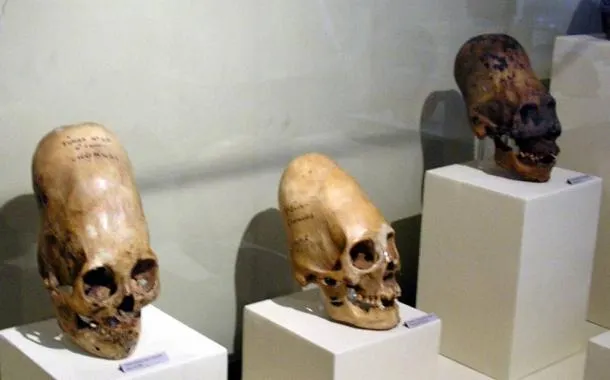
Museums in Peru, such as the Museo Regional de Ica and the Museo Nacional de Arqueología, Antropología e Historia del Perú, preserve many of these skulls, allowing modern researchers to study ancient Andean society’s symbolism, technology, and identity.
Their preservation also raises ethical questions about respectful display and repatriation, reminding us that behind every artifact lies a human story.
Conclusion: The Legacy of the Paracas Elites
The mysterious elongated skulls of Paracas remain one of the most striking archaeological discoveries in South America. Far from being alien relics, they reveal a deeply human story — one of artistry, ritual, and identity.
By reshaping their heads, the Paracas reshaped the boundaries between body and belief, expressing a worldview in which form and spirit were inseparable. Their legacy endures not only in the skulls themselves but in what they teach us about the creativity, symbolism, and complexity of ancient humanity.
ALSO READ: Ice Age hunter tool pouch Discovered in the Czech Republic Reveals Upper Paleolithic Survival Skills