Venetian Innovation: 18th-Century Murano Glass Sunglasses and the Goldoni Style
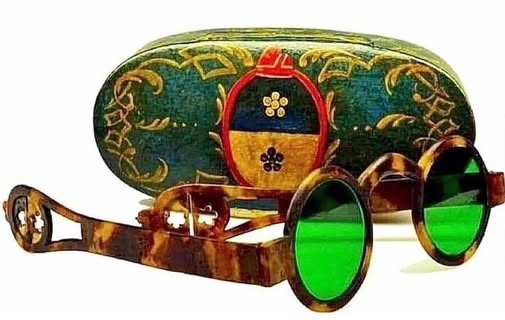
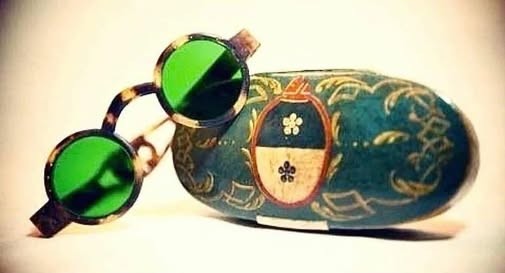
In the vibrant, artistic heart of 18th-century Venice, an extraordinary invention quietly emerged—sunglasses made of Murano glass. Long before the modern world understood the dangers of ultraviolet (UV) radiation, Venetian artisans crafted green-tinted eyewear not just for fashion, but for function. Among the most celebrated examples are the Goldoni-type sunglasses featuring the Mocenigo family coat of arms, currently on display at The Murano Glass Museum, part of the Vascellari Collection.
This remarkable intersection of art, science, and fashion places Venice a full century ahead of its time. In this article, we’ll explore the craftsmanship, medical foresight, historical relevance, and aesthetic elegance of these unique 18th-century Venetian sunglasses.
Historical Context: Enlightenment-Era Venice and Optical Innovation
By the 1700s, Venice had long established itself as a hub for luxury goods, glassmaking, and scientific curiosity. The Enlightenment was flourishing across Europe, and Venetian opticians were at the forefront of blending aesthetic beauty with practical innovation.
The Venetian Republic’s elite society was deeply invested in fashion, performance, and health, making it the perfect setting for the development of early sunglasses. This was also the era of Carlo Goldoni, a Venetian playwright whose works defined the theatrical and social landscape of the time. The so-called “Goldoni-type sunglasses” are named for their association with the upper-class lifestyle and theatrical flair of this period.
The Sunglasses: A Masterpiece of Murano Craftsmanship
The Murano glass sunglasses of the 18th century are an exquisite example of functional luxury. Made from high-quality Murano glass, renowned for its clarity, color, and purity, these sunglasses were meticulously crafted by artisans whose techniques had been passed down for generations.
Key Features:
-
Lens Coloration: Shades of grass green, sea green, and emerald green were common. These hues were not just fashionable—they served as natural UV filters.
-
Material: Pure Murano glass, a medium famed for its luminous finish and deep, vibrant colors.
-
Design: The Goldoni-style frames often featured ornate detailing and heraldic emblems, such as the Mocenigo coat of arms, signifying ownership by one of Venice’s most powerful noble families.
-
Functionality: Though made centuries before UV protection was understood, the green lenses effectively reduced glare and filtered out harmful light—something modern science only began to explore in the 19th century.
The Science Behind the Style: Early UV Protection
It wasn’t until 1870 that scientists formally discovered the dangers of ultraviolet radiation to the human eye. Yet Venetian opticians in the 18th century were already experimenting with lens tints for protection. Today, we know that green-tinted lenses are particularly effective at filtering high-frequency UV rays while still maintaining color clarity—ideal for bright, reflective environments like the Venetian lagoon.
Why Green Lenses Work:
-
Reduces Glare: Especially helpful in sunny, water-rich environments like Venice.
-
Improves Visual Comfort: Softens brightness without distorting colors.
-
Blocks UV Rays: Modern studies confirm that green glass filters a broad spectrum of ultraviolet light, helping prevent eye strain and long-term damage.
Venetian glassmakers may not have had scientific proof, but their empirical knowledge and attention to comfort and health made them visionaries in the truest sense.
The Mocenigo Coat of Arms: Power and Prestige
One of the most historically intriguing aspects of these sunglasses is the presence of the Mocenigo family crest. The Mocenigos were a powerful noble family in the Venetian Republic, producing seven doges (chief magistrates) between the 15th and 18th centuries. Their inclusion on the frames indicates that these sunglasses were custom-made luxury items, possibly commissioned for travel, performance, or outdoor leisure.
Symbolism:
-
Heraldic Power: The coat of arms served as a mark of noble identity and social rank.
-
Artisan Prestige: Only the finest Murano glassmakers would be entrusted with such high-profile commissions.
-
Historical Legacy: The survival of these glasses today is a testament to both their quality and the cultural value attributed to them by their owners.
Goldoni-Type Sunglasses: Fashion Meets Theatrical Flair
The “Goldoni-type” designation suggests a connection to Venetian theater culture—rich with masks, elaborate costumes, and dramatic gestures. Sunglasses of this style likely served both practical and theatrical purposes.
In Venice’s commedia dell’arte traditions, characters often wore visual disguises. Sunglasses may have served similar functions:
-
Mystique and Status: Just as masks did during Carnival, sunglasses added a touch of intrigue and sophistication.
-
Performance Accessory: On stage or in society, the glasses became symbols of modernity and refinement.
-
Visual Aid: For elite audiences and performers alike, these glasses could help ease the harsh glare of outdoor events or reflective costumes.
Display and Preservation: The Murano Glass Museum
Today, the Goldoni-type Murano sunglasses with the Mocenigo coat of arms are part of the Vascellari Collection and on display at the Museo del Vetro (Murano Glass Museum) in Venice. The museum is dedicated to the long and storied history of Venetian glassmaking, from antiquity to the present day.
Museum Highlights:
-
Location: Housed in the former Palazzo Giustinian on the island of Murano.
-
Collection: Spanning from Roman glass to contemporary masterpieces.
-
Educational Value: Explores the science, artistry, and cultural importance of Murano glass through the centuries.
Seeing the sunglasses in person is to witness a marriage of aesthetics, innovation, and history—a true gem in the museum’s crown.
A Legacy Ahead of Its Time
The Murano glass sunglasses of the 18th century were far more than a decorative novelty. They were a scientific advancement in disguise, blending cutting-edge material techniques with early optics and luxury design.
In many ways, these Venetian sunglasses represent the intersection of Enlightenment science, aristocratic fashion, and artistic mastery. While modern sunglasses wouldn’t become widespread until the 20th century, Venice had already shown what was possible centuries earlier.
Their legacy continues to inform our understanding of:
-
Historical UV awareness
-
Early eyewear fashion
-
Luxury branding
-
Artisan techniques in functional design
Conclusion: Fashion, Function, and Foresight in 18th-Century Venice
Long before the modern world grasped the risks of UV rays, Venetian glassmakers and opticians were crafting stunning green-lensed sunglasses that offered real protection and unrivaled style. The Goldoni-type Murano sunglasses, complete with noble crests and scientific foresight. Are more than just beautiful objects—they are visionary artifacts of an era where art and science walked hand-in-hand.
For fashion historians, museum lovers, and admirers of human ingenuity. These sunglasses provide a remarkable glimpse into a time when Venetian luxury met visionary innovation. An elegant forecast of a brighter, safer future.
ALSO READ: Cube with Relief of Nebnefer: A Timeless Artifact from the Reign of Amenhotep III