The Mouth of Truth in Rome: History, Legends, and Cultural Significance
The Eternal City of Rome is filled with awe-inspiring monuments, ancient ruins, and timeless legends. Among its many fascinating attractions is the Bocca della Verità, or the Mouth of Truth, a massive marble disc carved with a humanoid face that has captured imaginations for centuries. Dating back to the 1st century CE, this mysterious artifact blends history, myth, and superstition.
While its exact origins remain uncertain, the Mouth of Truth is best known for its legendary role as a “lie detector,” said to bite off the hands of liars who dared to test their honesty. This intriguing mix of art, religion, and folklore makes the monument one of Rome’s most enduring curiosities.
What Is the Mouth of Truth?
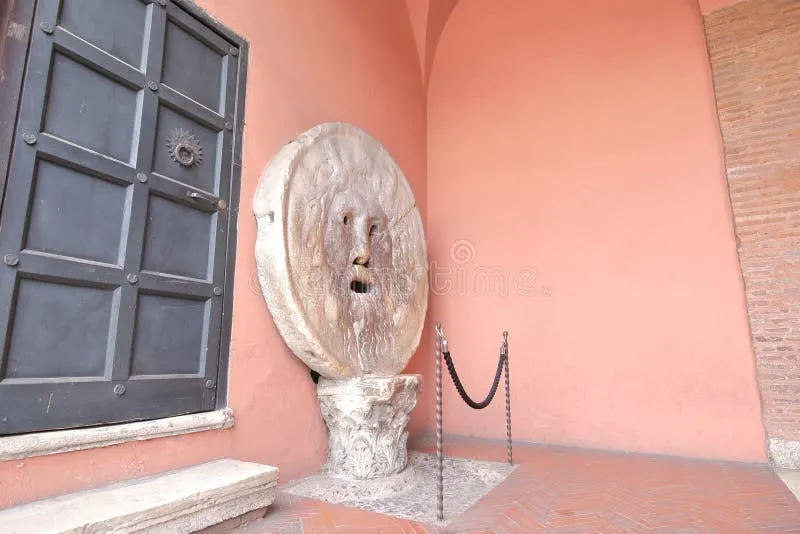
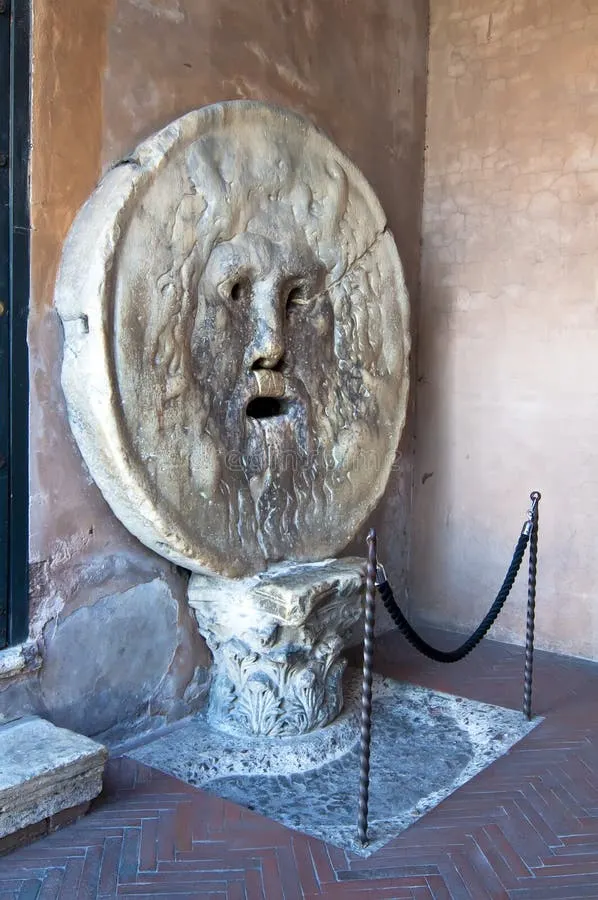
The Mouth of Truth is a large stone medallion, measuring about 1.75 meters (5 feet 9 inches) in diameter, and carved into the face of a bearded figure with hollow eyes, nostrils, and an open mouth. The disc is made of Pavonazzetto marble, a prized material in Roman art and architecture.
Today, the Mouth of Truth is located in the portico of the Church of Santa Maria in Cosmedin, where thousands of visitors each year line up to slip their hands into its gaping mouth and reenact the age-old legend of truth and lies.
The Origins of the Bocca della Verità
The true purpose of the Mouth of Truth has puzzled historians and archaeologists for centuries. Several theories exist regarding its function:
-
Manhole Cover: Some scholars believe it once covered a large drain or sewer opening, possibly linked to the Cloaca Maxima, Rome’s ancient sewer system.
-
Fountain Decoration: Others suggest it was part of a monumental fountain, with water flowing through the open mouth.
-
Well or Temple Cover: Another theory claims it may have covered a ceremonial well or even functioned as part of a pagan temple ritual.
The face itself may represent one of several deities. Some argue it is Faunus, the Roman forest god, while others believe it could depict Oceanus, the god of the sea, or a local river deity. The lack of definitive evidence ensures the mystery of the Mouth of Truth remains alive.
The Legend of the Hand-Biting Stone
The most famous story surrounding the Mouth of Truth is its supposed ability to reveal lies. According to legend, if someone placed their hand in the mouth and told a falsehood, the stone would clamp down and bite it off.
Medieval Trials and Superstition
This belief likely began in the Middle Ages, when the carving may have been incorporated into judicial trials. It is said that accused criminals would insert their hand into the mouth while swearing their innocence. If found guilty of lying, an executioner or axeman hidden behind the stone would sever the offender’s hand, giving rise to the enduring superstition.
Though largely apocryphal, the story spread widely, transforming the ancient disc into a symbol of truth, honesty, and divine justice.
The Mouth of Truth in Roman Culture
Beyond superstition, the Mouth of Truth embodies Roman creativity and their fascination with blending practicality, art, and religion. Whether a functional drain cover or ritual object, its preservation into the modern era demonstrates the Romans’ enduring craftsmanship.
Its later incorporation into medieval legends reveals how ancient objects were often reinterpreted, gaining new meanings in changing cultural contexts.
The Mouth of Truth in Modern Times
The Mouth of Truth gained international fame in the 20th century thanks to popular culture. One of its most iconic appearances was in the 1953 film “Roman Holiday”, starring Gregory Peck and Audrey Hepburn. In a memorable scene, Peck pretends to lose his hand inside the stone, delighting audiences and cementing the site’s legendary reputation.
Today, visitors flock to the Church of Santa Maria in Cosmedin to witness the Mouth of Truth firsthand. Long queues form daily, as tourists eagerly test the legend by placing their hands inside the gaping mouth for photographs.

Symbolism and Lasting Appeal
The appeal of the Mouth of Truth lies in its fusion of mystery, myth, and history. It represents:
-
Honesty and Justice: The belief that lies will be punished has made it a timeless symbol of truth.
-
Roman Ingenuity: Regardless of its original use, it reflects Roman engineering and artistry.
-
Cultural Continuity: From the Roman Empire to the Middle Ages and into modern cinema, the Mouth of Truth has carried forward a story that transcends time.
Visiting the Mouth of Truth Today
The Mouth of Truth remains one of Rome’s most popular attractions. Located at the Church of Santa Maria in Cosmedin, near the Roman Forum and Circus Maximus, it is easily accessible to visitors exploring central Rome.
Visitor Tips
-
Admission: Entry is free, though donations are welcomed.
-
Photography: Visitors can take photos placing their hands in the stone, but expect long queues during peak hours.
-
Nearby Sites: The church also contains important relics and beautiful medieval architecture worth exploring.
The Enduring Mystery of the Mouth of Truth
Despite centuries of study, the true origin and purpose of the Mouth of Truth remain uncertain. Was it a sewer cover, a fountain feature, or a sacred ritual object? The ambiguity only deepens its allure. Combined with the enduring legend of the hand-biting liar’s stone, it continues to attract visitors and inspire curiosity worldwide.
Conclusion
The Mouth of Truth in Rome is more than just a tourist attraction—it is a remarkable relic of the ancient world, a medieval legend, and a modern cultural icon all rolled into one. Its carved face, open mouth, and mysterious aura invite us to reflect on humanity’s timeless fascination with truth, honesty, and the unknown.
Standing before it today, one cannot help but feel the weight of centuries of myth and history etched into the stone. A reminder that sometimes the most enduring monuments are those that leave us with more questions than answers.