Mor Hananyo Monastery: The Timeless Sanctuary of Syriac Christianity in Mardin ⛪✨
A Living Monument of Faith
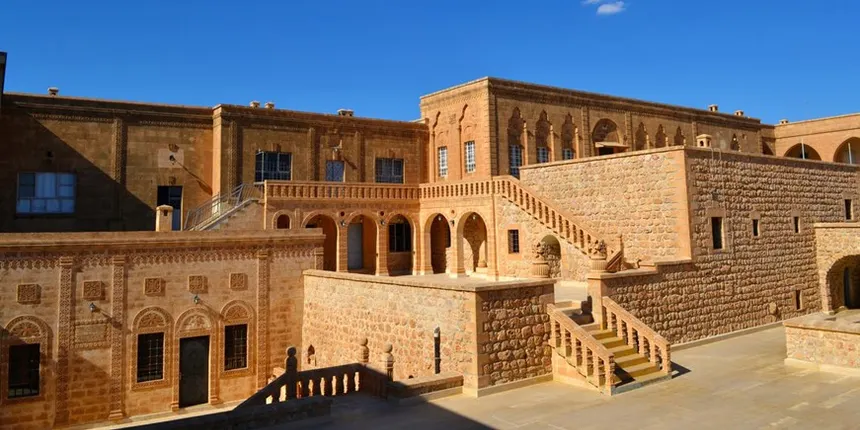
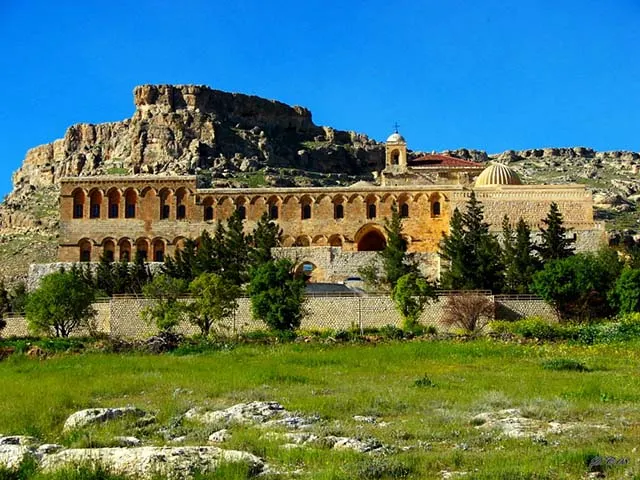
Nestled in the golden hills just outside Mardin, Turkey, the Mor Hananyo Monastery, also known as the Deyrulzafaran Monastery, stands as one of the most important spiritual and cultural centers of the Syriac Orthodox Church. Founded in the 5th century CE, this monastery has witnessed empires rise and fall, from the Byzantines and Umayyads to the Ottomans.
Its stone-vaulted halls, serene courtyards, and richly adorned chapels tell a story not only of architectural mastery but also of resilience. For centuries, it has been a beacon of faith, education, and tradition for Syriac Christians in the heart of Mesopotamia.
The History of Mor Hananyo Monastery
Origins in the 5th Century
The monastery’s origins stretch back to 493 CE, when it was first established as a center of worship and monastic life. The site itself had even older roots, having been used as a pagan temple dedicated to the sun before its conversion into a Christian sanctuary.
Byzantine and Early Christian Influence
Under Byzantine rule, the monastery flourished. Its early stonework and vaulted halls reflect the architectural styles of late antiquity, blending Roman engineering with Christian symbolism.
Umayyad and Abbasid Periods
During the early Islamic era, the monastery endured changes yet managed to survive as a respected Christian institution. The Umayyad and Abbasid authorities often recognized the monastery’s importance and allowed it to function, reflecting the cultural coexistence of the time.
Ottoman Era to Modern Times
By the Ottoman period, the monastery had become a center of learning and theology for Syriac Christians. It served as the Patriarchal See of the Syriac Orthodox Church from 1160 until 1932, cementing its role as a spiritual heartland for the community.
Architecture: A Blend of Cultures and Centuries 🏛️
Stone-Vaulted Halls and Chapels
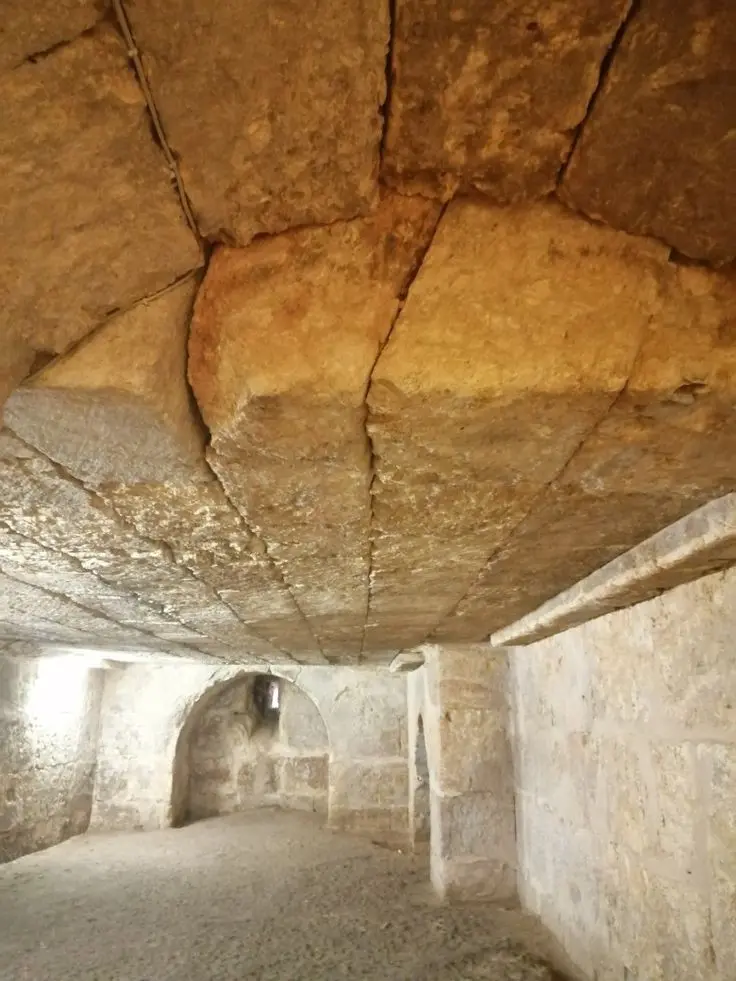
One of the most striking features of Mor Hananyo is its stone-vaulted interiors. These massive arches and ceilings not only display technical mastery but also create an atmosphere of solemnity and grandeur.
The chapels within the monastery reflect centuries of artistic layering, where Byzantine mosaics, Umayyad-era adaptations, and Ottoman additions coexist in harmony.
Courtyards and Monastic Cells
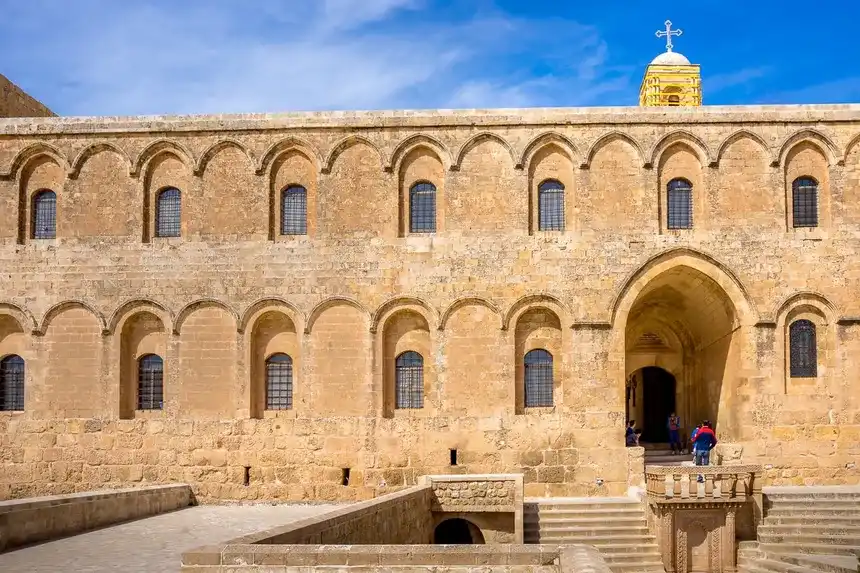
The monastery’s layout includes peaceful courtyards surrounded by monastic living quarters. These spaces were designed for both community life and solitude, reflecting the balance between prayer, work, and contemplation.
The Patriarchal Throne Room
A highlight of the complex is the throne room of the Syriac Orthodox Patriarchs, where leaders of the church resided for over 700 years. This hall is adorned with ornate carvings, inscriptions, and symbols representing the deep theological traditions of the Syriac Church.
The Underground Chamber
Beneath the monastery lies an ancient chamber once used as a temple to the sun. This space symbolizes the deep continuity of sacred practice at the site, from pre-Christian Mesopotamian rituals to Christian liturgy.
The Spiritual Role of the Monastery
A Center of Syriac Orthodox Christianity
For centuries, Mor Hananyo Monastery was the administrative and spiritual headquarters of the Syriac Orthodox Church. Its leaders guided not only local congregations but also Syriac Christians across the Middle East.
Monastic Life and Scholarship
The monastery was home to generations of monks who preserved the Syriac language, liturgy, and manuscripts. Its scriptorium played a key role in copying and safeguarding sacred texts, ensuring the survival of one of the world’s oldest Christian traditions.
Pilgrimage and Worship
Even today, the monastery continues to function as a place of prayer, pilgrimage, and spiritual retreat. Services are held in classical Syriac, maintaining a liturgical tradition that links directly to the earliest Christian centuries.
Cultural Significance of Mor Hananyo Monastery 🌍
Guardian of the Syriac Language
The monastery has been a stronghold for the Syriac language, a dialect of Aramaic once spoken widely across the Middle East. By maintaining this linguistic heritage, Mor Hananyo connects modern Syriac Christians with their ancient past.
Symbol of Resilience
Despite centuries of political upheaval, invasions, and cultural shifts, the monastery has remained a living center of faith. Its continued presence is a testament to the resilience of Syriac Christianity.
A Treasure of Mardin
Mardin is known for its multicultural fabric, where Christian, Muslim, and Kurdish influences intertwine. Mor Hananyo Monastery is a jewel in this mosaic, attracting visitors who wish to experience the richness of Mesopotamian heritage.
Visiting Mor Hananyo Monastery Today ✨
Location and Accessibility
The monastery is located about 3 km east of Mardin in southeastern Turkey. It is easily accessible by road, making it a popular stop for tourists exploring the region’s historic and religious landmarks.
What to See
Visitors can explore:
-
The main church with its stone-vaulted ceilings.
-
The patriarchal throne room, echoing centuries of ecclesiastical authority.
-
The underground chamber, linking pagan and Christian traditions.
-
The peaceful courtyards and monastic cells, offering glimpses into daily life.
Best Time to Visit
Spring and autumn are ideal for visiting, with pleasant weather enhancing the experience of the monastery and Mardin’s stunning landscapes.
Fun Facts About Mor Hananyo Monastery 🎉
-
The monastery is also called the “Saffron Monastery” (Deyrulzafaran) due to the warm golden hue of its stones, resembling saffron in the sunlight.
-
It served as the Patriarchal See of the Syriac Orthodox Church for nearly 800 years.
-
The site includes remains of a pre-Christian sun temple, blending pagan and Christian heritage.
-
It houses priceless manuscripts written in Syriac, preserving theological and cultural treasures.
-
The monastery’s architecture reflects Byzantine, Islamic, and Ottoman influences, making it a true cultural hybrid.
Why Mor Hananyo Monastery Matters Today
In a world where cultural identities often fade, the Mor Hananyo Monastery stands as a living monument of continuity. It bridges ancient Mesopotamian spirituality, early Christian traditions, and the multicultural layers of Anatolia.
For scholars, it is a treasure trove of linguistic, theological, and architectural history. Also For the faithful, it remains a sanctuary of prayer and identity. For travelers, it is an awe-inspiring reminder of how stone, faith, and tradition can endure for 1,500 years.
Conclusion: A Golden Legacy of Faith and Heritage
The Mor Hananyo Monastery is more than a building—it is a symbol of resilience, devotion, and cultural heritage. Its golden stones, sunlit courtyards, and solemn halls whisper stories of empires, saints, and scholars who walked its paths.
Visiting the monastery today is not only a journey into the past but also an encounter with a living faith that continues to thrive in the heart of Mesopotamia. For anyone seeking to understand the depth of Syriac Christianity and the cultural richness of Mardin, the Mor Hananyo Monastery is an unmissable destination.
ALSO READ: Sigiriya: The Majestic Rock Fortress of Sri Lanka 🌄