The Stone Guardians of Monte Albán — Voices of the Zapotec Ancestors
Guardians of Stone, Voices of the Ancestors
In the sunlit heights of the Oaxaca Valley, where time lingers among ancient stones, stand hundreds of mysterious figures carved into stone slabs. These are the “Danzantes” — the so-called Dancers of Monte Albán, one of Mesoamerica’s earliest and most influential urban centers.
Despite their graceful name, these figures are not dancers at all. Their contorted postures, closed eyes, and flowing lines tell a story not of celebration, but of ritual, sacrifice, and transcendence. Each carving represents a voice from the distant Zapotec past — a civilization that flourished from 500 BCE to 800 CE, whose art blended humanity and divinity into one eternal form.
Under the blazing Oaxacan sun, the Danzantes still whisper their silent prayers, reminding us that the stones of Monte Albán are more than ruins — they are living texts, carved with the heartbeat of a people who sought harmony between earth and sky.
🏛️ Monte Albán: The Heart of the Zapotec World
The First City of the Clouds
Perched atop an artificial plateau 400 meters above the Oaxaca Valley, Monte Albán was founded around 500 BCE by the Zapotec civilization. It was among the first planned cities in the Americas, complete with plazas, temples, observatories, and tombs that reflected a deep understanding of astronomy and sacred geometry.
For over a thousand years, Monte Albán served as the political, religious, and cultural capital of the Zapotecs. Its architecture aligned with celestial cycles — equinoxes, solstices, and the movement of Venus — showing how the Zapotec worldview wove the heavens into everyday life.
At the heart of this ancient city stands a collection of bas-relief stone carvings unlike any others in Mesoamerica: the Danzantes, whose enigmatic forms continue to intrigue scholars, artists, and spiritual seekers alike.
🗿 Who Were the “Danzantes”?
The Enigma of the Stone Figures
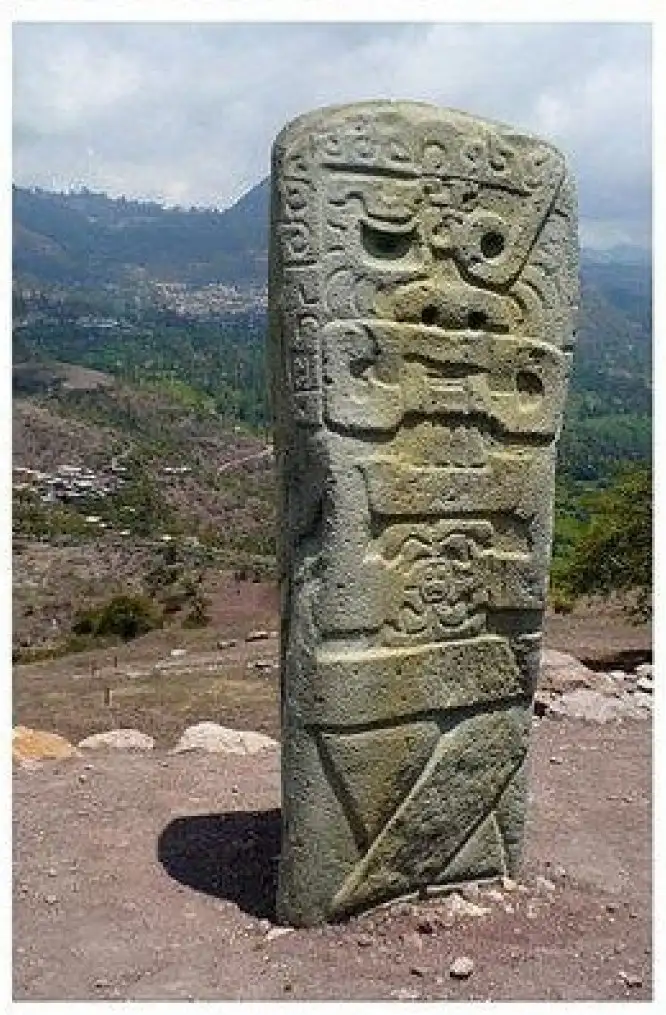
The Danzantes are carved on large basalt and limestone slabs, many over two meters tall, arranged around the earliest structures of Monte Albán’s ceremonial core. Over 300 of these figures have been discovered so far, making them one of the most extensive sculptural series in pre-Columbian art.
The term “Danzantes” — meaning “dancers” — was coined by early archaeologists who believed the twisted postures resembled figures in motion. However, modern interpretations have transformed that view.
Not Dancers, But Captives — Or Something More
Scholars now suggest that the Danzantes may depict:
-
Defeated enemies or sacrificial victims, their limp limbs and closed eyes symbolizing death or offering.
-
Priests or shamans in states of spiritual trance, participating in cosmic rituals.
-
Ancestral or celestial beings, representing the Zapotec understanding of life, death, and transformation.
Their bodies are often marked with glyphs, possibly naming individuals or describing their fates. Some carvings show genital mutilation or distorted postures, hinting at ritual sacrifice — but others appear serene, suggesting transcendence or divine communion.
Thus, the Danzantes may not represent mere mortals at all, but rather spiritual intermediaries, caught between the mortal and celestial realms.
🔍 Decoding the Iconography
A Language of Lines and Symbols
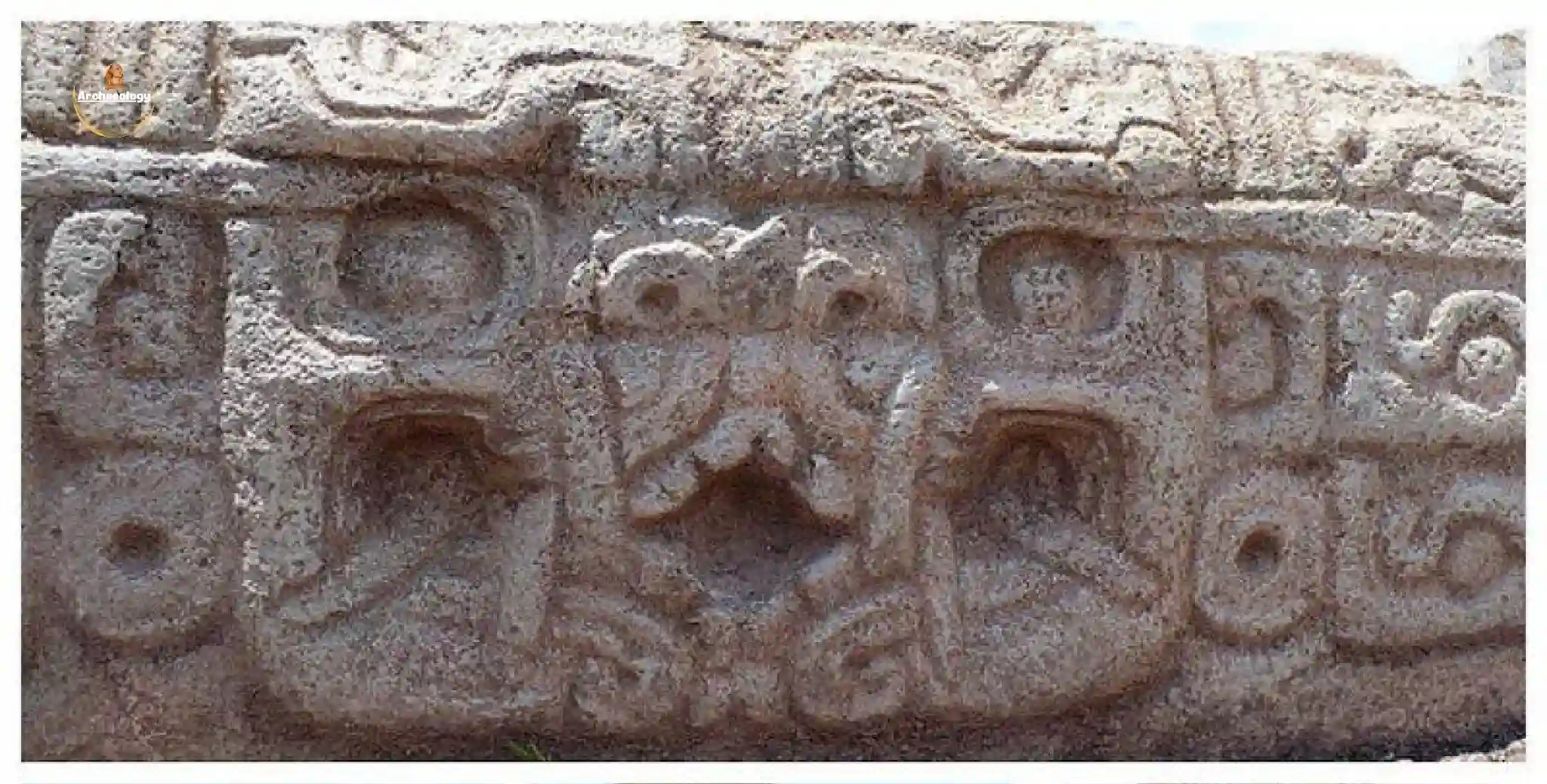
Each Danzante figure is a study in Zapotec artistry — defined by curving lines, elongated limbs, and stylized faces that blur the line between human and divine.
-
Eyes are often closed or half-lidded, symbolizing inner vision or death.
-
Mouths appear open, as if speaking prayers or breathing life.
-
Limbs bend fluidly, evoking motion or transformation.
-
Glyphs accompany many figures, possibly recording names, places, or ritual meanings.
These visual codes echo the broader Mesoamerican belief in duality — life and death, movement and stillness, body and spirit. The Danzantes are not merely decorative reliefs; they are visual scriptures, encoding cosmic truths through geometry and symbolism.
🌌 The Spiritual World of the Zapotecs
Bridging Heaven, Earth, and the Underworld
The Zapotec worldview divided the universe into three sacred realms:
-
The Heavens (Pitao) — domain of gods and celestial beings.
-
The Earth (Coo) — the realm of the living.
-
The Underworld (Lyobaá) — the land of ancestors and spirits.
The Danzantes may represent beings who moved between these worlds, embodying the ritual transformation of the human soul.
Some archaeologists believe they were part of initiatory ceremonies, where priests symbolically “died” to the physical world and were reborn with divine insight. Others interpret them as records of conquest, carved to commemorate victories and sacrifices offered to the gods.
Either way, the figures reflect the Zapotec mastery of sacred balance, where life and death were two steps in the same cosmic dance.
🪶 Art, Power, and Sacred Geometry
The Danzantes as a Record of Power
Monte Albán was not only a spiritual center but also a political capital. The Danzantes may have served a dual purpose — as both religious symbols and political propaganda.
By depicting captured enemies, the Zapotec elite asserted their dominance and divine right to rule. Each stone could represent a fallen rival city-state, a visual declaration of power sanctified by the gods.
Geometry and Cosmic Design
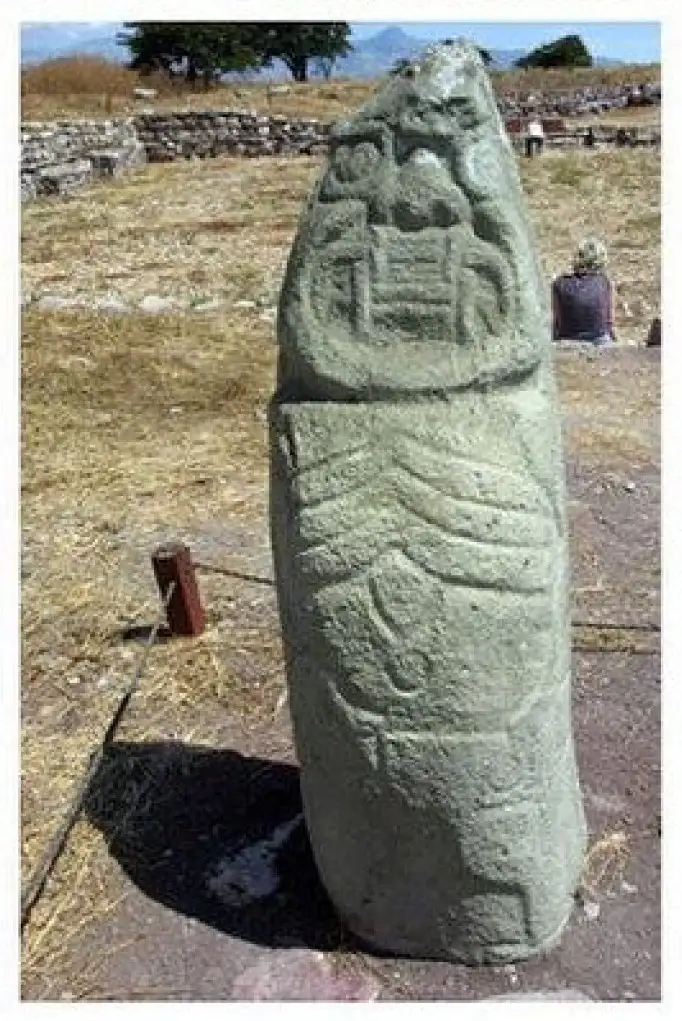
The placement of the Danzantes within Building L, one of Monte Albán’s oldest structures, suggests careful astronomical alignment. The arrangement may have mirrored constellations or solar paths, turning the temple into a living map of the cosmos.
This union of art, geometry, and cosmology defines Zapotec genius — where every carving was both a historical document and a celestial diagram.
🌞 Preservation and Legacy
From Ancient Monument to World Heritage
Today, the Danzantes stand as part of the Monte Albán Archaeological Zone, a UNESCO World Heritage Site since 1987. The carvings are preserved in situ and in museums in Oaxaca, where researchers continue to study their meanings using 3D scanning, epigraphy, and comparative iconography.
Monte Albán’s legacy lives on in the traditions of the modern Zapotec people, who continue to honor their ancestors through art, ceremony, and storytelling. The Danzantes are not relics of a vanished world — they are living ancestors in stone, guardians of cultural memory.
The Modern Relevance
For artists and historians today, the Danzantes embody the timeless human quest for meaning — the search to understand our place between earth and sky. Their flowing forms inspire modern sculpture and architecture. Reminding us that beauty and mystery often arise from the intersection of faith and imagination.
✨ Conclusion: When the Stones Still Speak
The Stone Guardians of Monte Albán are far more than carvings on ancient rock. They are echoes of the Zapotec soul, carved by hands that sought to bridge mortality and eternity.
Each Danzante gazes across millennia, inviting us to listen. To feel the pulse of a civilization that spoke through geometry, ritual, and rhythm. In their silent gestures, we glimpse the universal story of humanity’s search for connection, purpose, and transcendence.
When you stand before them, the question is no longer what they represent, but what they awaken in you.
ALSO READ: Ancient Celtic Shield Discovery Hailed as ‘Most Important Find of the Millennium’