The Midas Mound (Tumulus MM) at Gordion: Legendary Phrygian Burial of Iron Age Turkey
Monument at the Heart of Phrygia
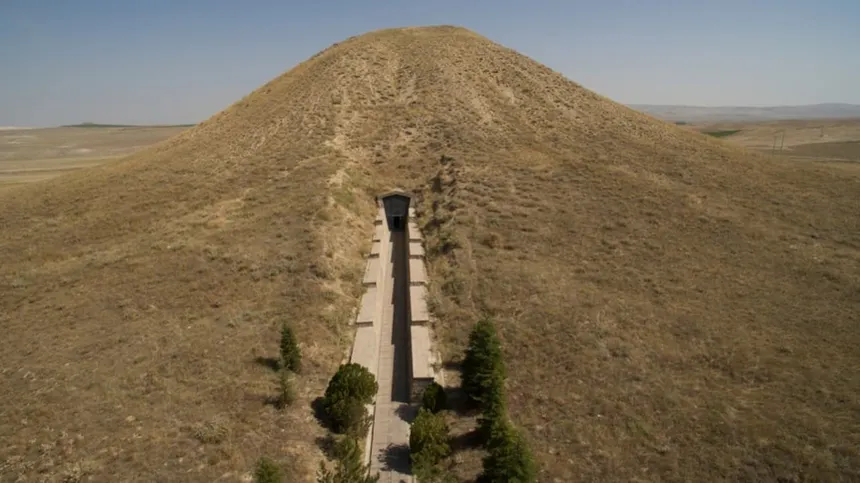
At the heart of the ancient Phrygian city of Gordion, in modern-day Turkey, lies the monumental Midas Mound, also called Tumulus MM. Towering approximately 50 meters high and measuring 53 meters in diameter, this burial mound is one of the most impressive archaeological features of the Iron Age (8th–7th centuries BC).
Renowned for its legendary association with King Midas, famed in Greek mythology for his golden touch, the mound has captured the imagination of historians, archaeologists, and travelers alike. Its scale, complexity, and rich burial goods reveal the power, sophistication, and cultural richness of the Phrygian civilization, one of the most significant societies in ancient Anatolia.
Historical Context: The Phrygian Civilization
The Phrygians emerged in central Anatolia around the 8th century BC, following the decline of the Hittite Empire. Known for their urban centers, monumental tombs, and intricate art, they played a vital role in the cultural and political landscape of Iron Age Turkey.
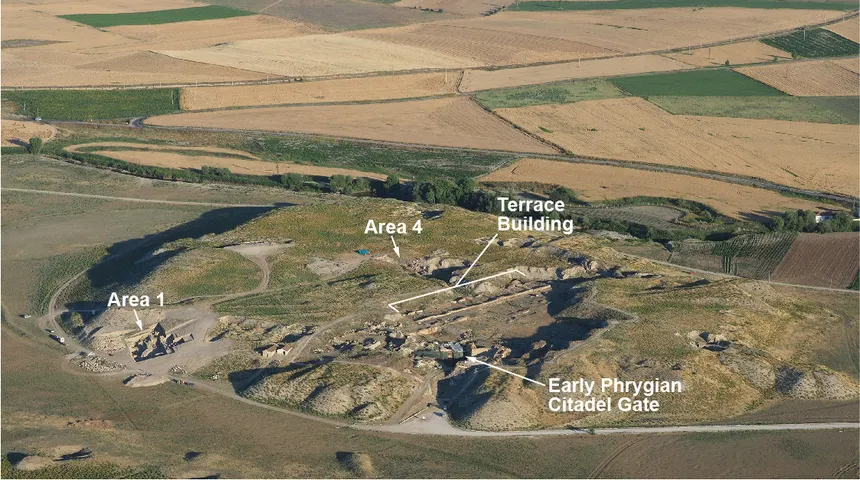
Gordion, the Phrygian capital, served as both a political and ceremonial center. Here, rulers constructed monumental burial mounds (tumuli) to commemorate their elite members. These mounds were not merely graves; they were symbols of power, religious reverence, and social hierarchy, showcasing the status and authority of the individuals interred.
Tumulus MM: Architecture and Design
The Midas Mound is remarkable for its massive scale and precise construction. Rising 50 meters (approximately 164 feet) above the surrounding plain, it dominates the landscape, signaling the presence of a powerful ruler.
1. The Exterior Structure
The mound’s circular base spans 53 meters in diameter, carefully layered with earth, timber, and stone. This method created a stable, durable structure capable of surviving centuries of natural wear. The steep slopes and carefully graded terraces demonstrate advanced engineering skills for the Iron Age.
2. Interior Chambers
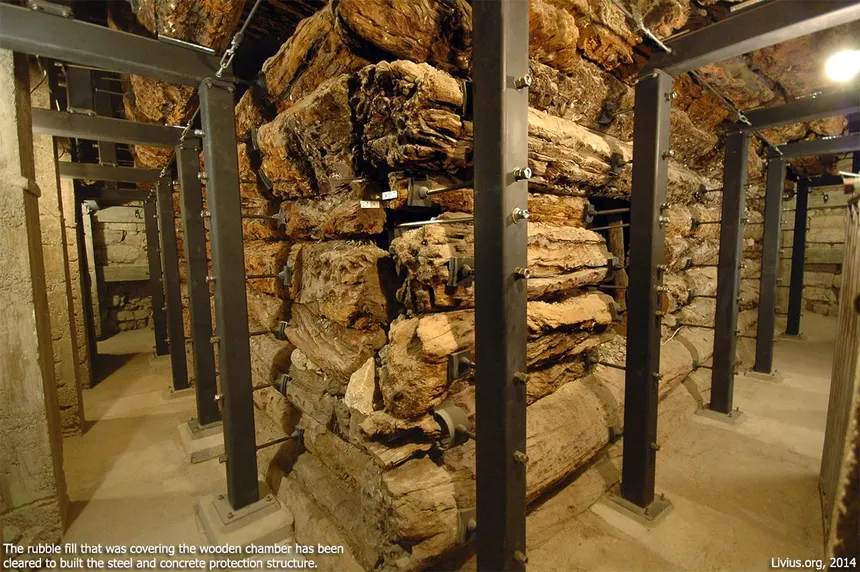
Excavations have revealed a complex interior layout. The main chamber, thought to hold the primary burial, is accompanied by secondary chambers containing burial goods, ritual items, and evidence of ceremonial activity. These chambers were often lined with wood and decorated with carved motifs, reflecting the ritual significance of the tomb.
3. Burial Goods
Archaeologists have uncovered rich grave offerings, including ceramics, metal vessels, jewelry, and weapons. These items not only signify the wealth of the interred individuals but also illustrate Phrygian craftsmanship and connections to wider trade networks in the Iron Age Near East.
The Legend of King Midas
The mound’s fame largely stems from its connection to King Midas, the legendary ruler said to possess the golden touch. While the identity of those buried in Tumulus MM remains debated, many scholars speculate that the primary occupant was a Phrygian king or elite noble, possibly contemporaneous with the mythical Midas described in Greek sources.
1. Myth vs. Archaeology
Greek mythology describes Midas as a king who could turn objects to gold, a tale likely inspired by Phrygian wealth and ceremonial gold use. The excavation of golden artifacts and luxurious grave goods within the mound adds a tangible dimension to the legend, blending historical fact with myth.
2. Archaeological Interpretation
While archaeologists cannot definitively confirm Midas’s burial here, the mound’s size, complexity, and opulent contents suggest it was reserved for the most powerful members of Phrygian society. In this sense, the mound functions as both a historical record and cultural symbol.
Excavations and Discoveries
Tumulus MM has been the focus of archaeological exploration since the 1950s, primarily led by teams from the University of Pennsylvania and Turkish archaeologists. Excavations have revealed:
-
Timber-lined burial chambers, highlighting advanced construction techniques.
-
Ceramic vessels and ritual objects, suggesting ceremonial practices accompanying the interment.
-
Weapons and ornamental items, signaling the status of the deceased and their role in society.
-
Signs of fire and ritual deposition, indicating that the burial was accompanied by complex funerary rites.
These discoveries provide a detailed picture of Phrygian beliefs, artistry, and social structure, emphasizing the mound’s dual role as tomb and ceremonial monument.
Cultural and Religious Significance
1. Funerary Practices
The Phrygians used tumuli like Tumulus MM to honor their elite. The size and elaboration of the mound reflected the social hierarchy, while the burial goods and chamber design reveal rituals associated with death and the afterlife.
2. Symbol of Power
The mound’s visibility across the Gordion landscape made it a political statement, signifying the authority and prestige of its occupant. Its presence reinforced the ruler’s divine favor and societal dominance.
3. Connection to Mythology
By linking monumental burials to legendary figures like King Midas, the Phrygians integrated myth, history, and identity into their cultural expression, leaving a lasting impression on subsequent civilizations and modern visitors.
Engineering and Construction Techniques
Constructing a mound of this scale required precise planning and sophisticated techniques. Archaeologists note:
-
Layered earth and timber provided stability and drainage.
-
Stone foundations and retaining structures ensured durability.
-
Wooden linings in burial chambers preserved interior artifacts and enhanced structural integrity.
The mound’s endurance over 2,700 years attests to the Phrygians’ architectural skill and engineering knowledge, making Tumulus MM a landmark of ancient ingenuity.
Tumulus MM in the Modern Era
Today, the Midas Mound is a major archaeological and tourist site. Visitors to Gordion National Archaeological Park can walk around the mound, view excavated artifacts in local museums, and gain insight into Iron Age Phrygia.
The mound continues to inspire researchers and the public alike, offering a unique combination of history, mythology, and engineering marvel. Its association with Midas adds a layer of legendary allure, making it a symbol of the enduring fascination with the ancient world.
Conclusion: A Monument of History and Myth
The Midas Mound (Tumulus MM) at Gordion stands as a timeless symbol of Phrygian culture. Blending historical significance with legendary narrative. Its monumental size, intricate internal structure, and rich burial goods reflect a civilization that valued power, artistry, and ritual. While its mythological associations continue to captivate modern imagination.
Whether or not King Midas himself rests within, Tumulus MM offers an unparalleled window into Iron Age Anatolia. Allowing scholars and visitors alike to explore the lives, beliefs, and grandeur of one of history’s most intriguing civilizations.
The mound endures as a testament to human ingenuity and the intersection of history and myth. Inviting future generations to uncover more secrets from the heart of ancient Phrygia.
ALSO READ: Over 100 Prehistoric Structures Found in Cova Dones Cave, Spain