Menhir de Champ-Dolent: Brittany’s Majestic Neolithic Monument
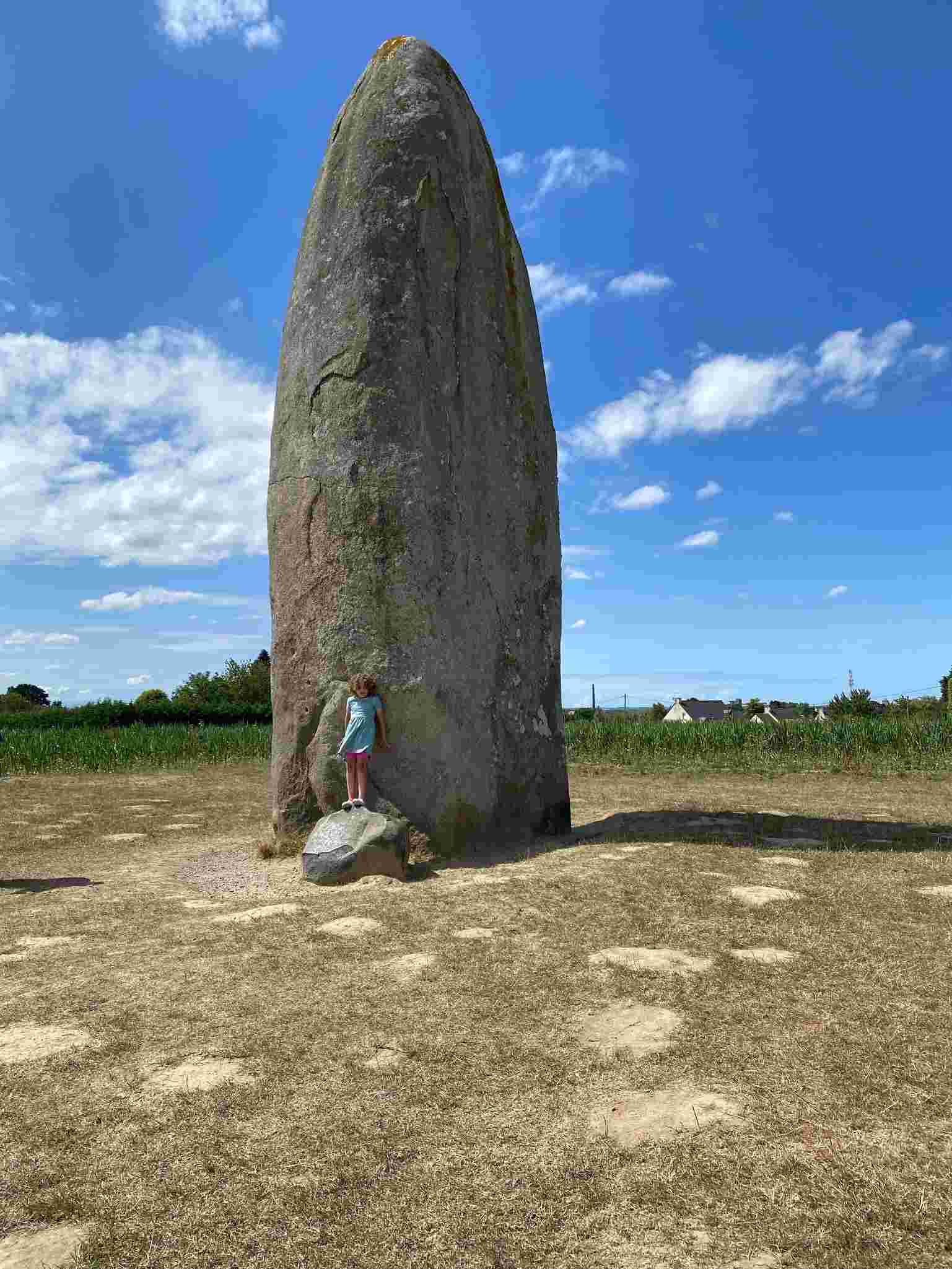
The Menhir de Champ-Dolent is a towering standing stone near Dol-de-Bretagne in Brittany, France, recognized as one of the tallest and most remarkable megalithic monuments in the region. Rising approximately 9.5 meters (31 feet) above ground and weighing an estimated 100 tonnes, this granite menhir dates back to the Neolithic period, between 5000 and 4000 BC. Despite centuries of study, the exact purpose of this imposing monolith remains a mystery, with theories suggesting ceremonial, religious, or territorial functions.
Location and Physical Description
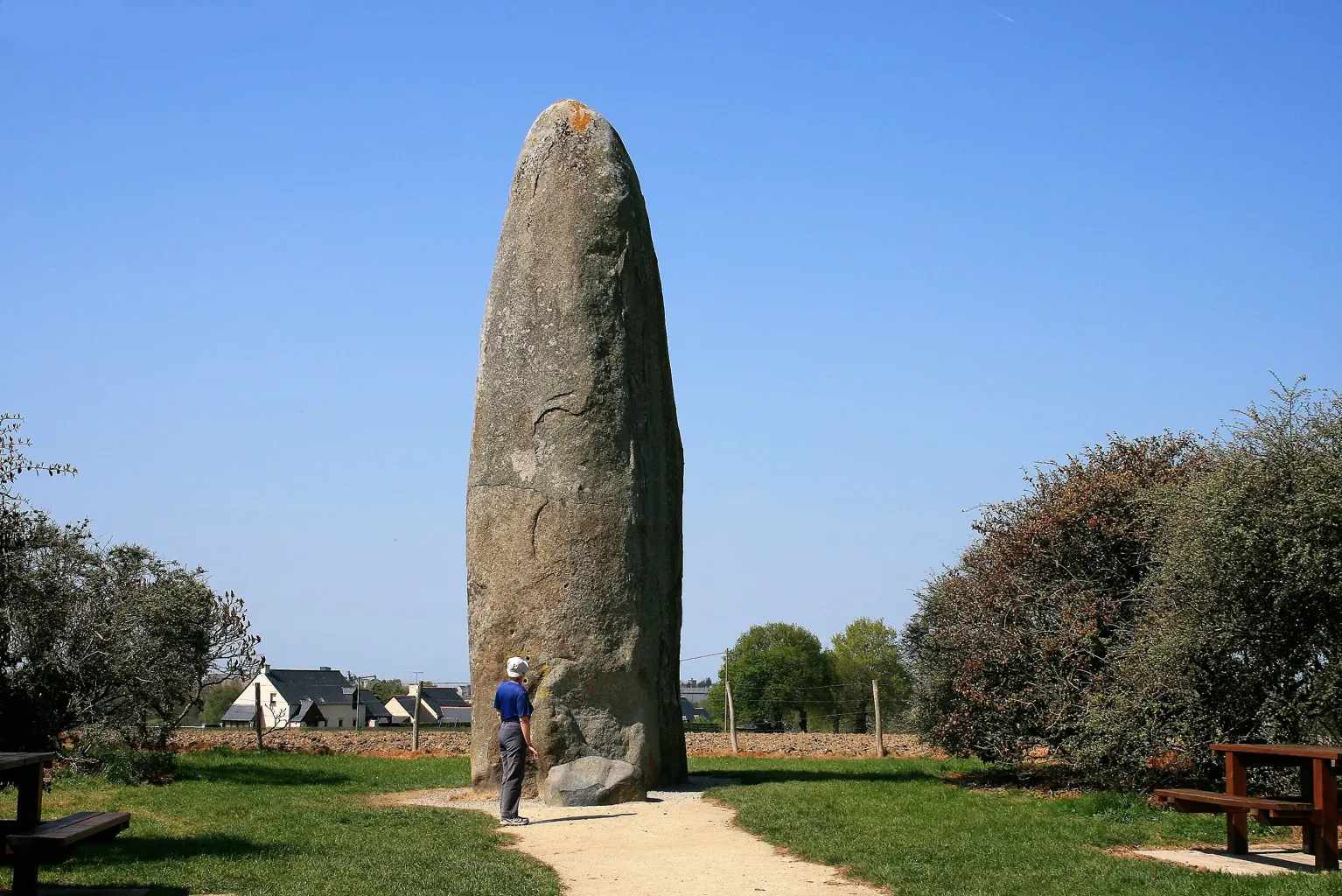
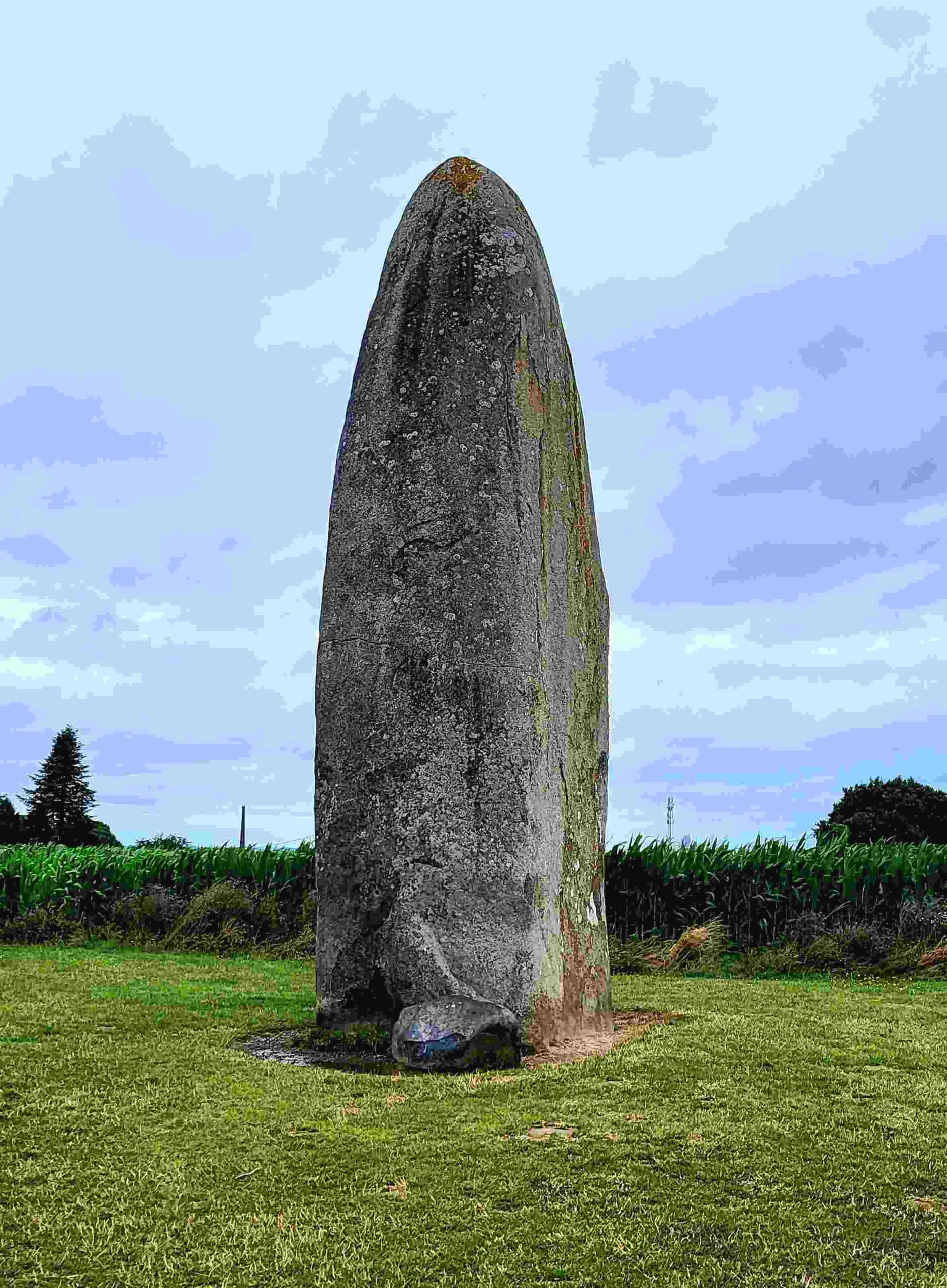
Located about 2 kilometers south of Dol-de-Bretagne in the Ille-et-Vilaine department, the Menhir de Champ-Dolent stands alone in a field known locally as “Champ Dolent,” or the “Field of Sorrow.” It is notable for its oval shape and smooth pinkish-gray granite surface, quarried from a site about 4 kilometers away. The menhir is partly buried, with a total height close to 13 meters (42.5 feet) including the underground portion. Historically, a Christian cross was placed atop the stone in the 19th century to Christianize this pagan monument, symbolizing the religious transformations over time.
Historical and Archaeological Significance
Dating from the late Neolithic era, the Menhir de Champ-Dolent is a testament to prehistoric engineering and societal organization. Requiring the transport and erection of a massive 100-ton stone over a distance of several kilometers. Its size and prominence suggest an important role in prehistoric communities, possibly marking burial grounds or serving as territorial boundaries. The site is protected as a historic monument by the French Ministry of Culture since 1889, emphasizing its cultural importance.
Legends and Myths Surrounding the Menhir
Over centuries, the Menhir de Champ-Dolent has inspired numerous local legends that enrich its allure:
-
The Brothers’ Battle Legend: The most widespread tale tells of two warring brothers whose armies clashed fiercely in the field. The menhir is said to have miraculously emerged from the earth to separate them and halt the bloodshed. Thus becoming a symbol of peace and reconciliation.
-
Celestial Origins Myth: Another story suggests the stone fell from the sky, symbolizing divine intervention to stop conflict.
-
The Devil’s Throw: A dramatic myth holds that Satan, angered by the construction of a cathedral by Saint Samson nearby, hurled the massive stone to destroy it.
Visiting the Menhir de Champ-Dolent Today
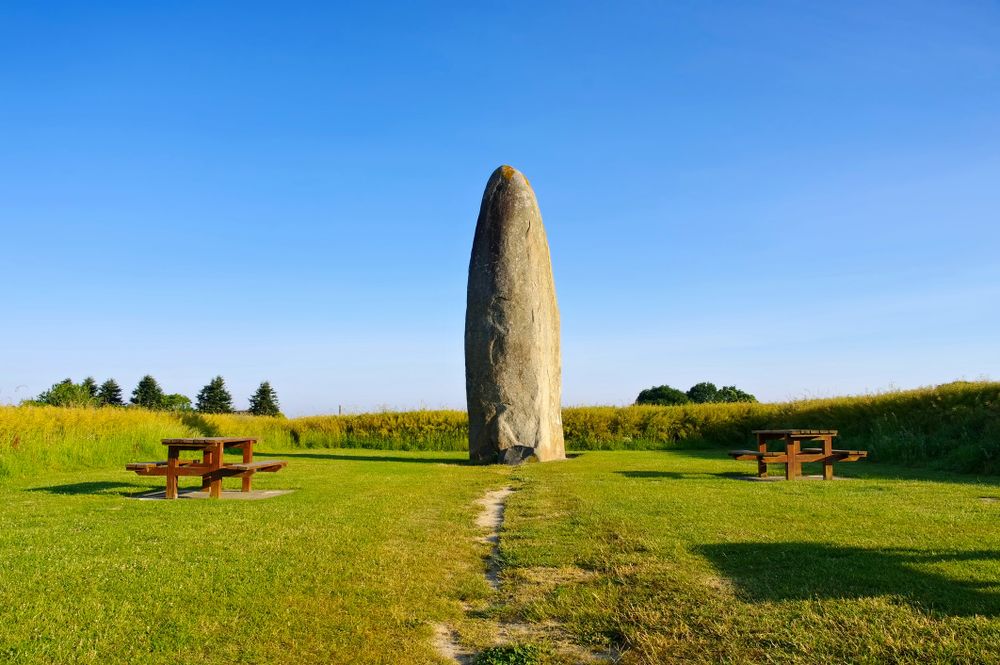
The site offers a captivating glimpse into ancient history surrounded by serene Breton countryside. Visitors can enjoy a small picnic area with benches near the stone, ideal for a reflective pause. The menhir’s sheer size and enigmatic presence make it a poignant. Stop for history enthusiasts and travelers exploring Brittany’s rich prehistoric heritage. The D795 road provides access to the site, making it an ideal stop on a scenic tour around Dol-de-Bretagne.
Conclusion
The Menhir de Champ-Dolent stands as a monumental symbol of Brittany’s ancient past, combining archaeological significance with rich folklore. Its impressive height and mysterious origins continue to fascinate scholars and visitors alike. Making it an essential landmark for anyone interested in prehistoric megalithic culture or the mystical stories of France’s Brittany region.
ALSO READ: The Mystery of the Ancient Granite Drill Core at Giza