Megaraptor vs. Crocodile: Fossil Discovery Reveals Prehistoric Predation Frozen in Time
The Fossil That Freezes Time
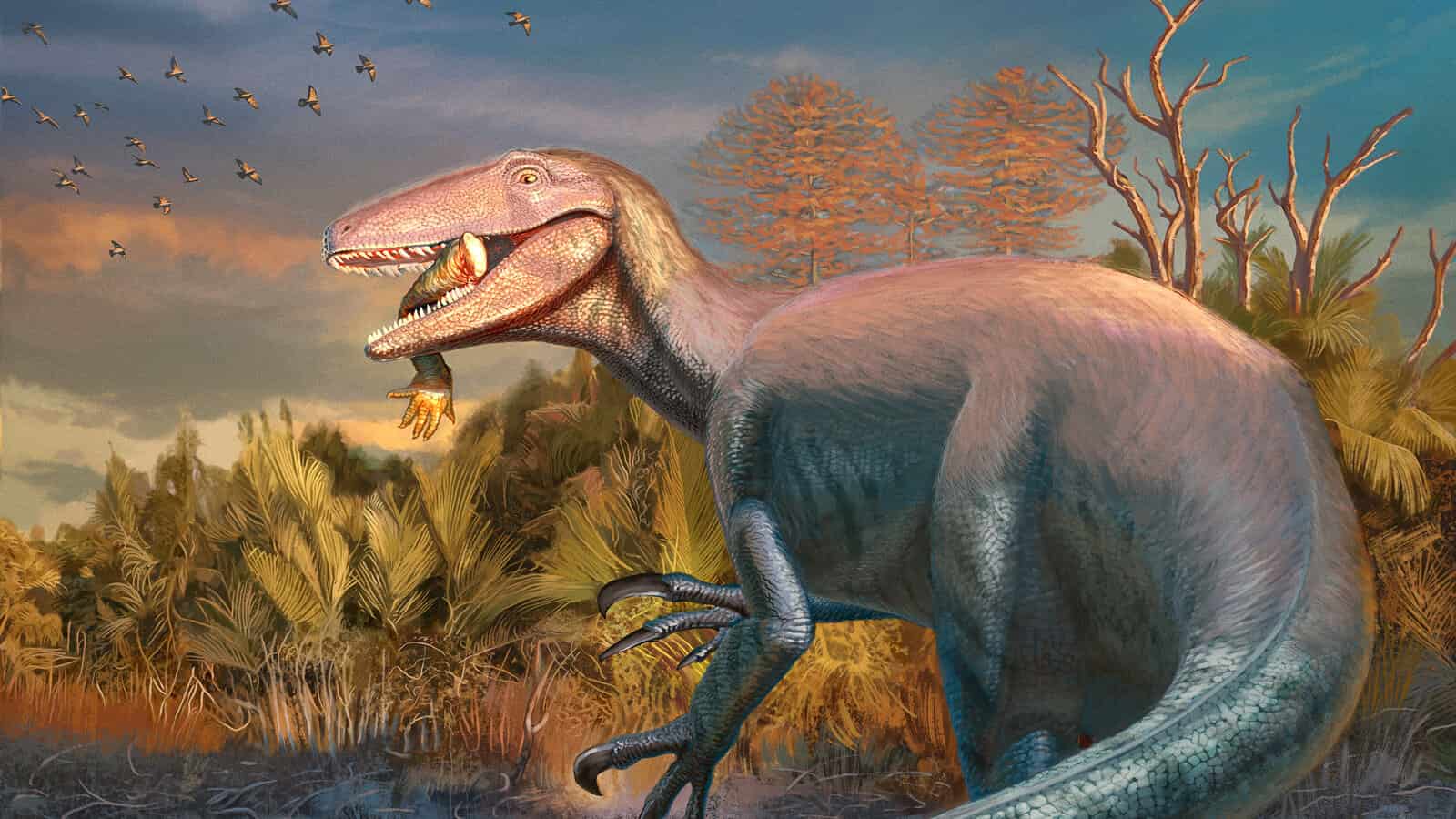
In the world of paleontology, a common fossil is a scattering of bones—a puzzle requiring decades of scientific effort to reconstruct. But every so often, nature delivers a dream: a fossil that captures not just anatomy, but action. Deep within the sun-scorched, fossil-rich badlands of South America, researchers have uncovered just such a find: the perfectly preserved remains of a megaraptor with the body of a large crocodile-like reptile clamped firmly in its jaws.
This extraordinary snapshot of prehistoric life, preserved for over 70 million years, is one of the most compelling pieces of evidence ever discovered concerning predator-prey dynamics in the Late Cretaceous period. It is a moment of raw, brutal struggle—a fleeting instant of violence and survival—immortalized in stone. The discovery is transforming what we know about the feeding behavior and ecological dominance of one of the Southern Hemisphere’s most terrifying apex predators, offering a direct, cinematic window into an ancient food web.
The sheer dramatic appearance of the fossil, with the predator’s skull locked around its victim, has captured the imagination of the world. But for paleontologists, it represents something far more profound: irrefutable, physical proof of the megaraptor’s diet, hunting prowess, and powerful mechanics. This rare find confirms that the fossil record can, indeed, capture moments of raw, living action, forcing a re-evaluation of how these sleek hunters dominated the Cretaceous landscape.
The Terror of the South: Anatomy of the Megaraptor
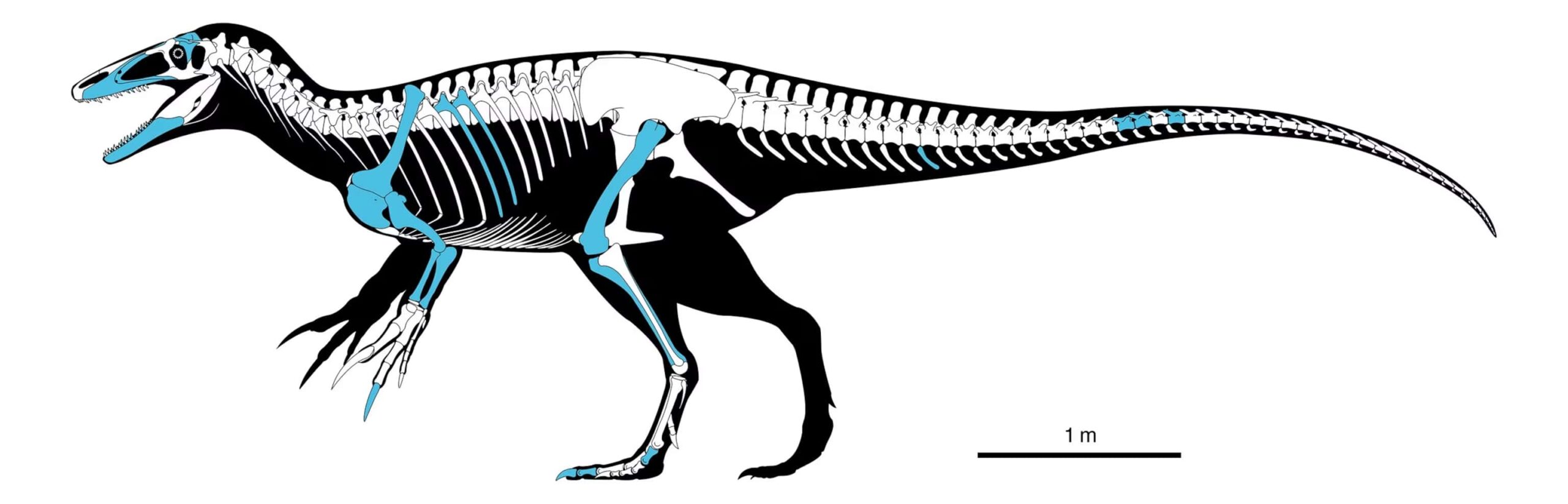
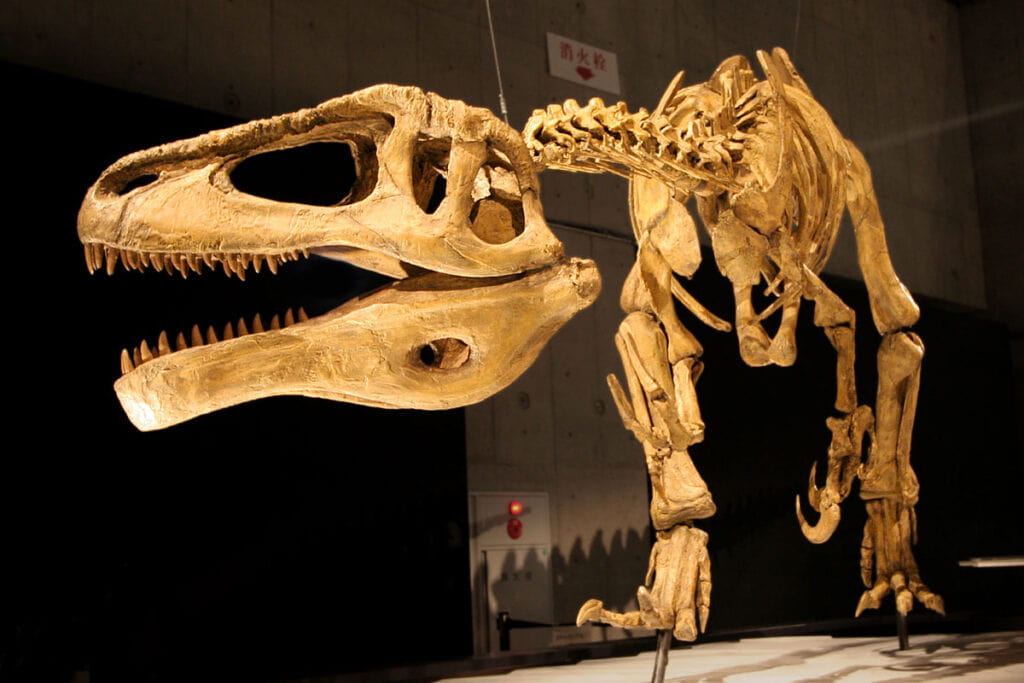
The creature at the center of this drama, the megaraptor, belonged to a distinct family of theropod dinosaurs that ruled the continents of the south during the Late Cretaceous. Unlike their more famous, bulky cousins, the Tyrannosaurus rex that lumbered across the north, megaraptors were built for speed, agility, and a terrifyingly efficient style of combat. They were the sleek, specialized assassins of their time.
The megaraptor’s most distinctive feature was its weaponry: enormous, sickle-shaped claws. Mounted on strong, muscular forelimbs, these claws reached up to a foot in length and were their primary tool for hunting. Instead of crushing bone with massive jaws, the megaraptor used these massive talons to slash, hook, and grip their prey, acting like lethal grappling hooks. Their strong forelimbs suggest a highly active, ambush-style hunting technique, relying on a rapid assault to overwhelm their victims.
Furthermore, megaraptors possessed powerful but flexible jaws and teeth designed not for bone-crushing, but for slicing and tearing through flesh. Their body plan—lighter, more agile, and armed primarily in the front limbs—made them perfectly suited to overpowering even large, heavily armored animals, a capability the new fossil discovery stunningly confirms. This specialization allowed them to thrive in the ancient South American ecosystems, carving out an ecological niche distinct from the contemporaneous tyrannosaurs of North America and Asia. Understanding this unique anatomy is key to interpreting the scene frozen in the rock.
A Battle Frozen in Stone: The Deadly Grip
The fossil itself is a paleontological masterpiece. The megaraptor’s skull is clearly visible, locked around the torso of the unfortunate crocodile. The jaws, preserved mid-clench, show a deadly grip that was likely the final act of a brutal engagement.
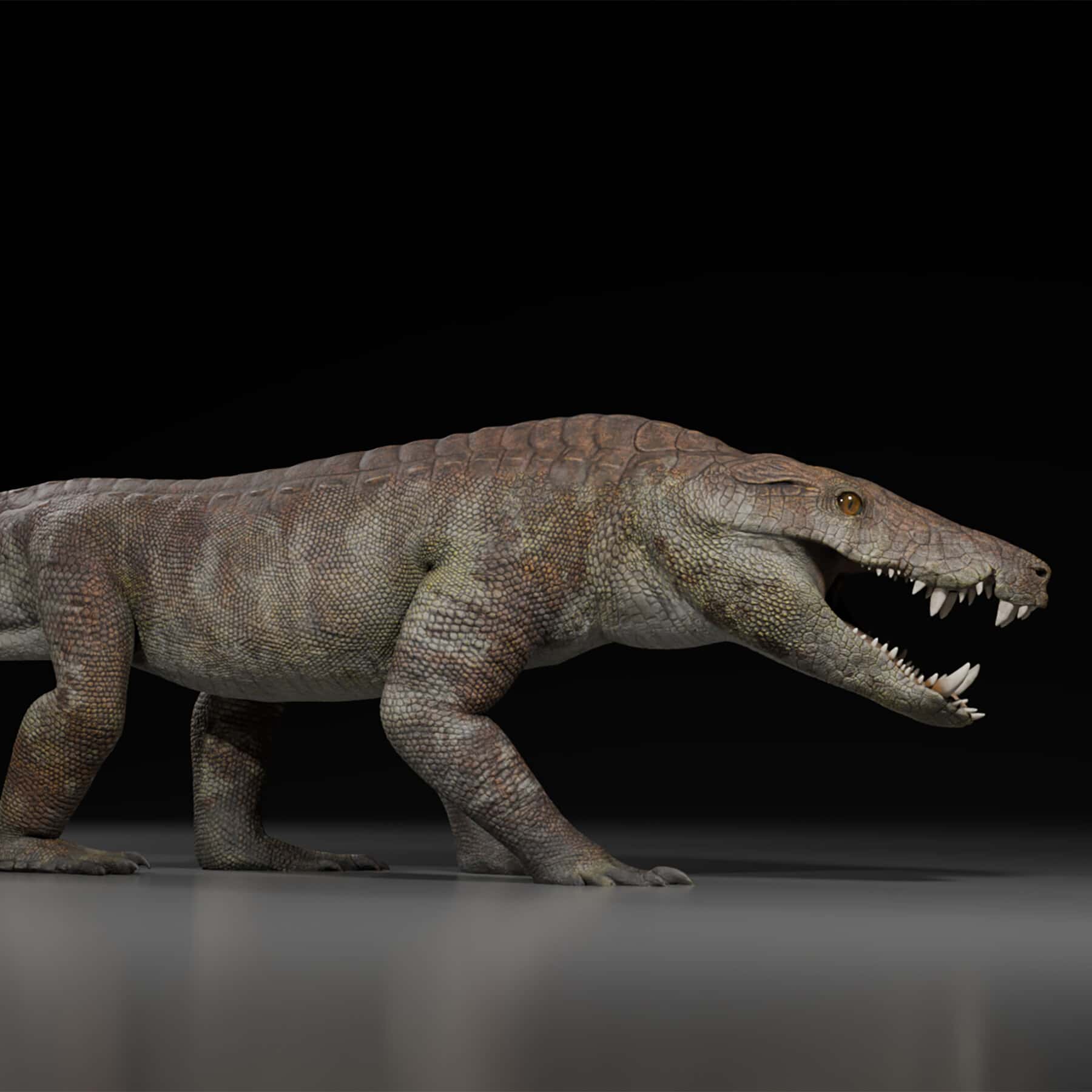
The prey animal, an ancient relative of modern crocodiles and alligators, was clearly no easy target. These were dangerous, well-armored reptiles, capable of inflicting severe damage on any attacker. Yet, the megaraptor had managed to secure a terminal hold. The crocodile’s fossilized remains still bear deep puncture wounds, and researchers have been able to align these wounds perfectly with the predator’s teeth and the sharp, piercing points of its formidable claws. This physical matching provides direct, unassailable evidence of the megaraptor’s feeding mechanics.
The tragic, simultaneous end of both animals is what made this preservation possible. Paleontologists hypothesize that the struggle was cut short by a sudden, geological event. The most likely scenario involves a rapid collapse of sediment—perhaps a massive. Localized mudslide or the devastating floodwaters of an ancient river bursting its banks. This catastrophic event would have instantly buried both the megaraptor and its victim. Sealing their final, violent moment away from scavengers and the slow decay of time. It was a mutual destruction that resulted in eternal preservation.
Profound Insights into Prehistoric Food Webs
Beyond the sheer drama, the Megaraptor Crocodile Fossil offers profound, quantitative insights into Late Cretaceous ecology. Until now, paleontologists relied largely on inference and jaw structure to theorize about the megaraptor’s diet. This find provides definitive confirmation on several critical points:
- Dietary Confirmation: It confirms unequivocally that megaraptors hunted and consumed large, dangerous, and heavily armored prey, not just smaller, faster-moving herbivores. This places them firmly at the top of the food chain in their environment.
- Feeding Mechanics: The locked jaws provide an unprecedented opportunity to study the force and bite angle the megaraptor used to dispatch large prey. Scientists can analyze the alignment of the skull and the puncture wounds to model the muscle strength and biomechanics required for such a lethal grip.
- Predator-Prey Dynamics: The fossil allows for direct analysis of the behavioral interaction between two apex species. It reveals the strategic targeting by the megaraptor (aiming for the torso rather than the heavily armored back or tail) and the defensive capabilities of the ancient crocodilian.
The fossil acts as a critical anchor point in reconstructing the entire prehistoric food web of South America. It demonstrates the diversity of hunting strategies and the ecological pressures faced by Late Cretaceous fauna. The fact that the megaraptor successfully engaged. Such formidable prey suggests a level of predatory dominance and specialization that few other dinosaurs achieved.
An Enduring Story of Survival
The Megaraptor Crocodile Fossil is a powerful testament to the volatile, unforgiving nature of the prehistoric world. Every bone in a fossil tells a story, but this rare discovery tells a battle. A fleeting instant of violence, survival, and death that defied the odds of decomposition and geological disturbance to reach us today.
This extraordinary piece of evidence is more than a trophy for a museum. It is a vital key to understanding the deep history of life on Earth. It reminds scientists that even the most complex, transient behaviors can be captured by the fossil record. Provided the right conditions align. The megaraptor remains locked in its final act, a silent. Powerful reminder of the sophisticated and deadly life that once thrived 70 million years ago. Forever preserved by the very forces that brought its epic hunt to a sudden, dramatic close.
ALSO READ: The Real-Life “Mowgli”: The Boy Raised by Wolves in 19th Century India