The Mysterious Maya Clay Figurine: A Glimpse into Ancient Rituals
Unearthing a Mystery from the Past
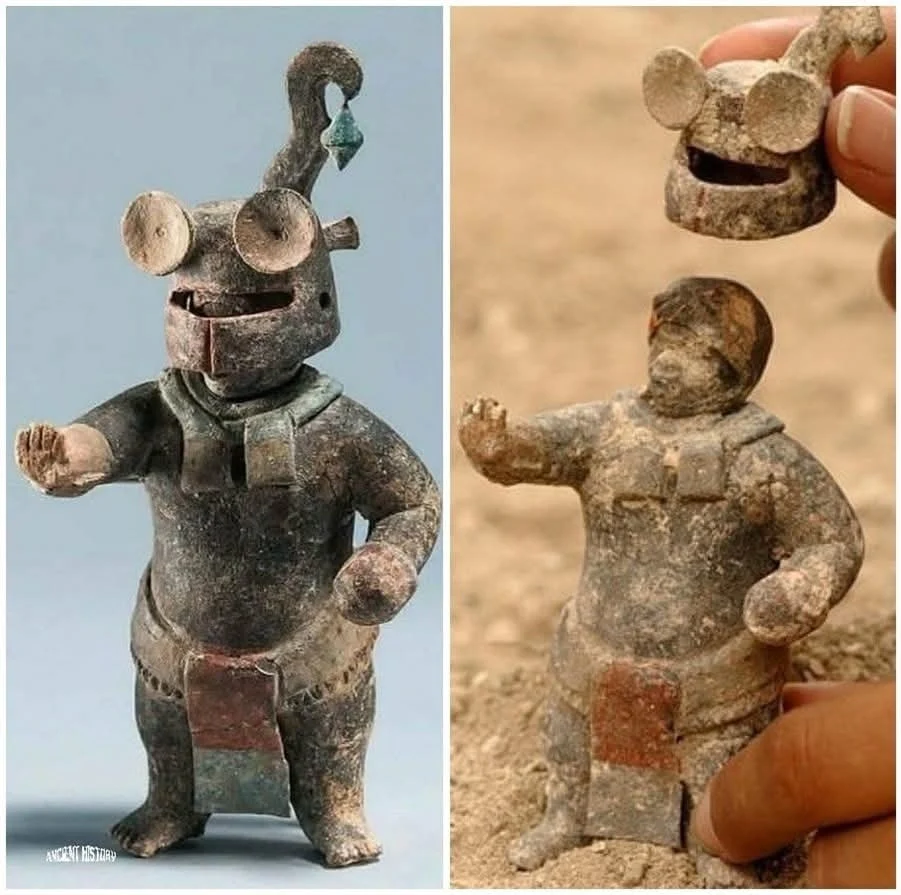
Deep in the heart of Central America, archaeologists unearthed a fascinating artifact that continues to intrigue researchers and enthusiasts alike: a clay figurine from the Late Classic period of the Maya civilization (600–900 AD). Unlike typical depictions of Maya rulers or deities, this statuette presents a humanoid figure with alien-like features, igniting debates about its purpose, symbolism, and cultural context.
The figurine’s striking headgear, disc-shaped eyes, and antenna-like appendages distinguish it from more conventional Maya artwork. Despite centuries of burial, the figurine’s surface retains a rich tapestry of textures, providing a glimpse into the material culture and artistry of one of Mesoamerica’s most sophisticated civilizations.
The Discovery: Context and Significance
Archaeologists discovered the clay figurine during excavations at a Late Classic Maya site in Central America, where layers of ceremonial and residential structures reveal centuries of cultural development. While its exact function remains unknown, the artifact offers critical insights into Maya ritual practices, social hierarchy, and artistic expression.
Key Details of the Discovery:
-
Region: Central America (specific site undisclosed for preservation)
-
Period: Late Classic Maya (600–900 AD)
-
Material: Fired clay
-
Condition: Weathered surface with visible textural patterns
The figurine was found buried among other ceremonial items, suggesting a ritualistic context. Its durable clay composition allowed it to survive centuries underground, retaining details that continue to fascinate scholars today.
A Humanoid Figure Unlike Any Other
At first glance, the figurine appears humanoid, yet several features set it apart from conventional depictions of Maya individuals.
Distinctive Characteristics:
-
Headgear: Elaborate, almost otherworldly, with protrusions and geometric elements
-
Eyes: Round, disc-shaped, giving the figure a surreal expression
-
Antenna-like appendage: Rising from the head, possibly symbolic or ceremonial
-
Body posture: Sturdy and upright, conveying authority, readiness, or ritual significance
These attributes have sparked diverse interpretations, ranging from depictions of deities, shamans, or ritual performers, to more speculative theories about extraterrestrial influence in Maya art. While such claims remain controversial, they underscore the figurine’s uniquely enigmatic nature.
Material and Craftsmanship
The figurine’s construction reveals the skill and ingenuity of Late Classic Maya artisans. Made from locally sourced clay, it was carefully shaped and fired, with artisans paying attention to symmetry, proportion, and textural detail.
Observations on Craftsmanship:
-
The clay shows evidence of hand-modeling techniques rather than molds.
-
Surface textures, including wear and weathering, suggest centuries of burial and exposure to soil conditions.
-
Fine details, such as the eyes and appendages, reflect meticulous artistic intent, indicating the figurine was more than a casual object.
Its longevity and preservation provide modern researchers with a tangible connection to Maya cultural practices and demonstrate the civilization’s expertise in ceramic technology.
Speculations on Purpose
Despite extensive study, the figurine’s exact function remains uncertain, fueling rich speculation among archaeologists, historians, and anthropologists.
Possible Interpretations:
-
Ritual Object: Likely used in ceremonies related to fertility, war, or spiritual rites.
-
Deity Representation: Could depict a Maya god or supernatural being, possibly linked to the underworld or celestial realms.
-
Shamanic Symbol: Some features, like the exaggerated headgear and appendages, may reflect shamanic visions or transformations.
-
Ancestor Veneration: May represent a revered ancestor or leader, preserved in clay for ritual remembrance.
The figurine’s alien-like features may be symbolic rather than literal, reflecting Maya mythology, cosmology, and ritual imagination.
Cultural Context: The Late Classic Maya Civilization
Understanding this figurine requires context about the Late Classic period (600–900 AD), a time of remarkable growth and complexity in Maya society.
Key Characteristics of the Era:
-
City-States: Flourishing urban centers with elaborate architecture
-
Art and Iconography: Advanced ceramic, stone, and jade artistry
-
Religion and Rituals: Complex pantheon of gods, celestial worship, and ancestor veneration
-
Trade Networks: Extensive exchange of obsidian, jade, ceramics, and other goods
The figurine fits within this context as a ceramic artifact reflecting ritualistic, symbolic, or social functions, aligning with the Maya’s emphasis on art as a conduit for spiritual and political expression.
Comparisons with Other Maya Figurines
Maya figurines from the Late Classic period often depicted:
-
Everyday life (farmers, musicians, dancers)
-
Mythological scenes or supernatural beings
-
Deities associated with rain, maize, or fertility
What sets this particular figurine apart is its strikingly non-human features, especially the round eyes and antenna-like headpiece. Such characteristics make it one of the more enigmatic Maya artifacts, prompting discussions about symbolism, ritual function, and artistic creativity.
Preservation and Archaeological Techniques
The figurine’s survival over centuries is a testament to both its material durability and modern archaeological methods.
Techniques Used for Analysis:
-
Excavation: Carefully removed from burial context to avoid damage
-
Documentation: Photogrammetry and high-resolution imaging preserve details
-
Material Analysis: Clay composition and firing temperature studied to understand manufacturing techniques
-
Conservation: Surface textures stabilized to prevent further degradation
These methods allow researchers to analyze the figurine’s design, function, and historical significance without compromising its integrity.
Symbolism and Interpretive Debates
The figurine’s otherworldly appearance has led to diverse interpretations:
-
Shamanistic Interpretations: Some scholars suggest the protruding appendage and oversized eyes symbolize spiritual transformation or trance states.
-
Astronomical or Celestial Significance: Certain features may represent celestial bodies, masks, or ritual paraphernalia connected to Maya cosmology.
-
Speculative Theories: Fringe theories speculate about extraterrestrial influence, though most mainstream archaeologists view these as metaphorical representations of the supernatural rather than literal depictions.
Regardless of interpretation, the figurine provides a window into the Maya worldview, where art, spirituality, and ritual intertwined seamlessly.
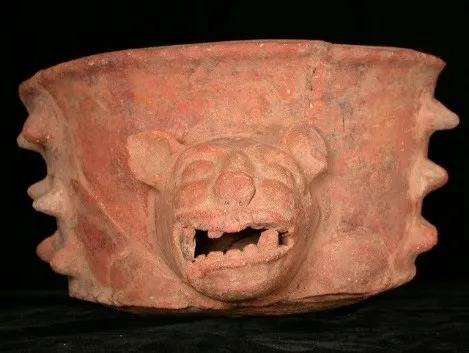
Conclusion: An Enigmatic Legacy
This clay figurine from the Late Classic Maya period remains an enduring symbol of the civilization’s artistic, ritualistic, and spiritual sophistication. Its alien-like features, elaborate headgear, and robust posture invite viewers to imagine a world where myth, ritual, and daily life coexisted in vibrant complexity.
Though its exact purpose may never be fully understood, the figurine connects us to the ingenuity, creativity, and cosmology of the Maya. Each curve, appendage, and textured surface tells a story — a story that has survived centuries underground, waiting to spark curiosity in the present day.
By studying artifacts like this, we not only reconstruct the Maya past, but also gain insight into universal themes of belief, identity, and the human drive to create.
This statuette is more than clay; it is a timeless link to a civilization that continues to inspire wonder, research, and imagination.
ALSO READ: The Lost Giant of the North: Steller’s Sea Cow — The Tragic Extinction of the Arctic’s Gentle Titan