Los Guachimontones: The Largest Pre-Columbian Site in Jalisco, Mexico
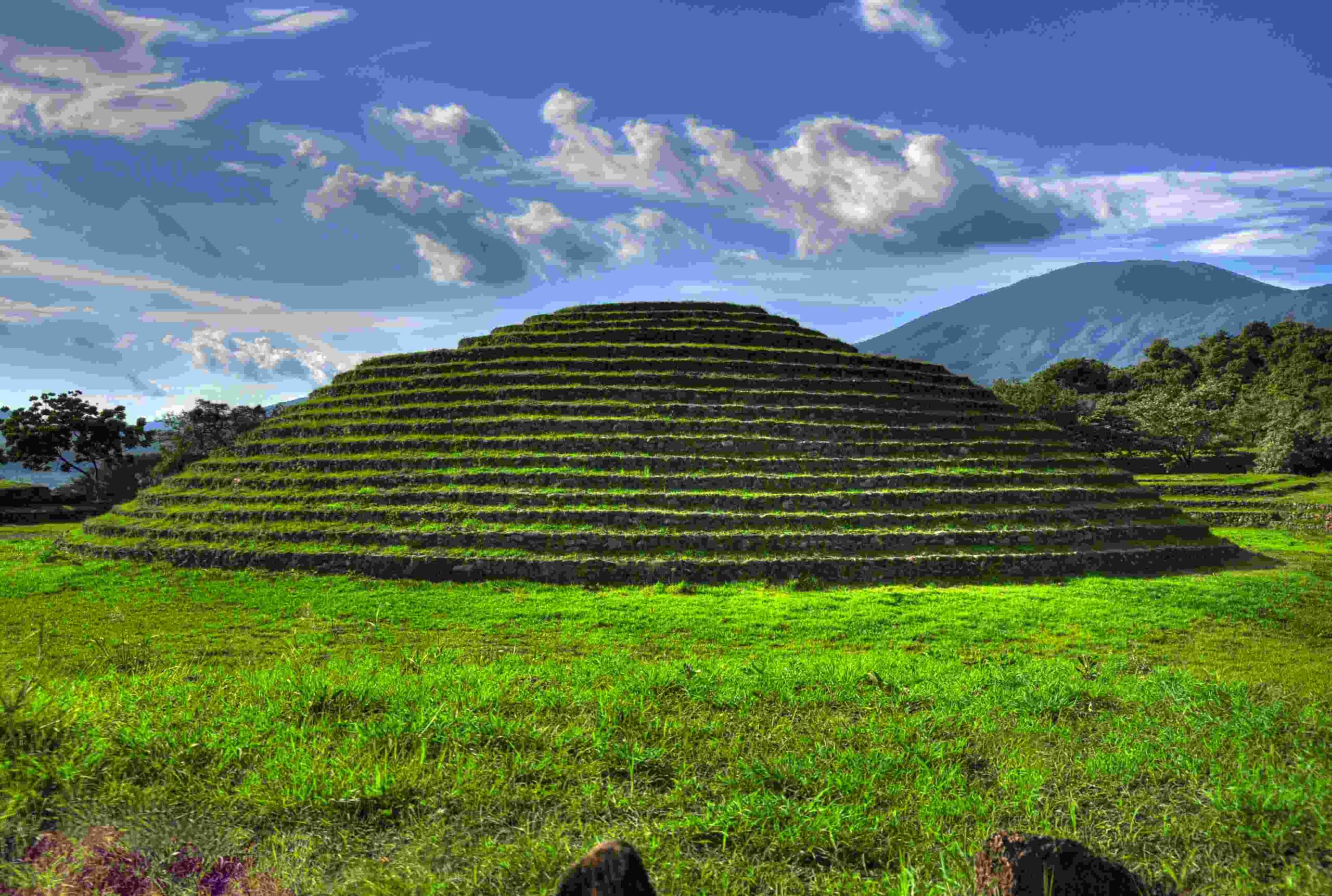
Los Guachimontones is the largest and most significant Late Formative to Classic period (300 BCE to 450/500 CE) pre-Columbian archaeological site in the state of Jalisco, Mexico. Situated in the hills above the town of Teuchitlán, the site is part of the Agave Landscape and Ancient Industrial Facilities of Tequila UNESCO World Heritage site, making it a major tourist attraction within the Tequila Valleys. The site is renowned for its unique circular step pyramids, known as guachimontones, and its role as a spiritual and ceremonial center for the Teuchitlán culture.
Historical Background
Los Guachimontones was founded during the Late Formative period, with evidence of Middle Formative occupation suggesting some temporal continuity at the site. The Middle Formative (Tequila I phase) dates from 1000 to 300 BCE, and while ceramic sherds indicate early activity, major construction began in the Late Formative (Tequila II phase, 300–100 BCE). Monumental construction continued into the Early Classic period (Tequila III phase, 100 BCE–200 CE), when the site reached its peak population and architectural complexity.
During the Late Classic period (Tequila IV phase, 200–450/500 CE), monumental construction tapered off, and the population declined. The Epiclassic period (450/500–900 CE) saw a drastic population decline. Possibly due to migration from the Bajío region of Guanajuato, but not a “Toltec Invasion” as sometimes believed. The site was later reoccupied during the Postclassic period (900–1400 CE), but with no new monumental construction.
Site Description and Layout
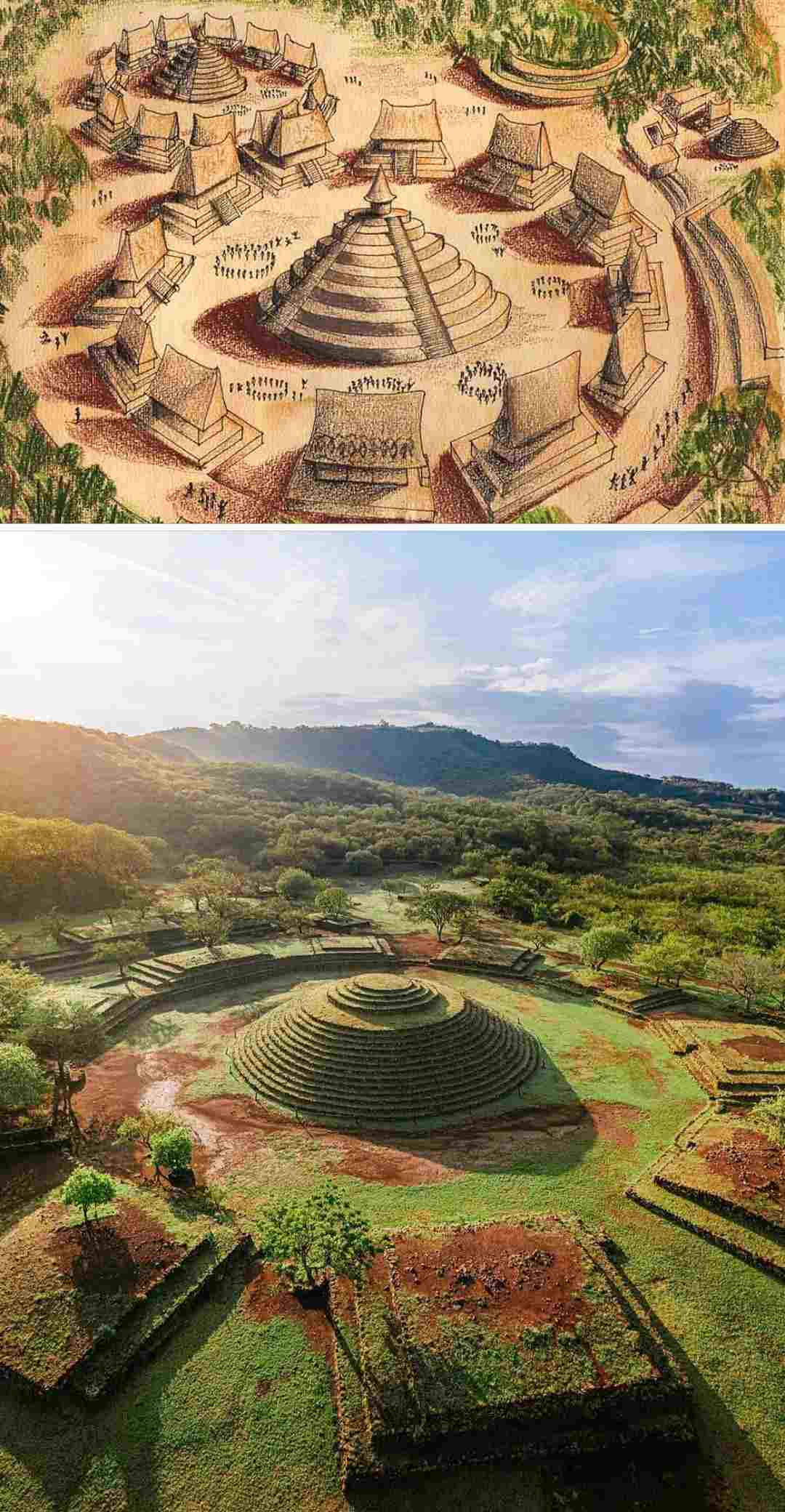
Los Guachimontones covers an area of approximately 19 hectares and consists of two main ceremonial areas, numerous house mounds, and terraced hillsides. The two ceremonial centers are Los Guachimontones, located on the hill slopes, and Loma Alta, situated to the northeast on the hilltop. The site features nine guachimontones (circular pyramids), a major and minor plaza, two ball courts, and various residential mounds.
The largest guachimontón, Circle 1, dates from between 160 and 40 BCE and is a testament to the architectural ingenuity of the Teuchitlán people. The site’s layout reflects a highly organized society. With the ceremonial centers surrounded by residential areas and terraced hillsides that supported agriculture.
The Teuchitlán Culture
The Teuchitlán culture emerged during the Late Formative period and is known for its distinctive monumental architecture. Including the concentric circular plazas and pyramidal platforms called guachimontones. The culture flourished in the Tequila Valleys, developing a complex social structure and extensive trade networks. That stretched from Guatemala to Arizona in the United States.
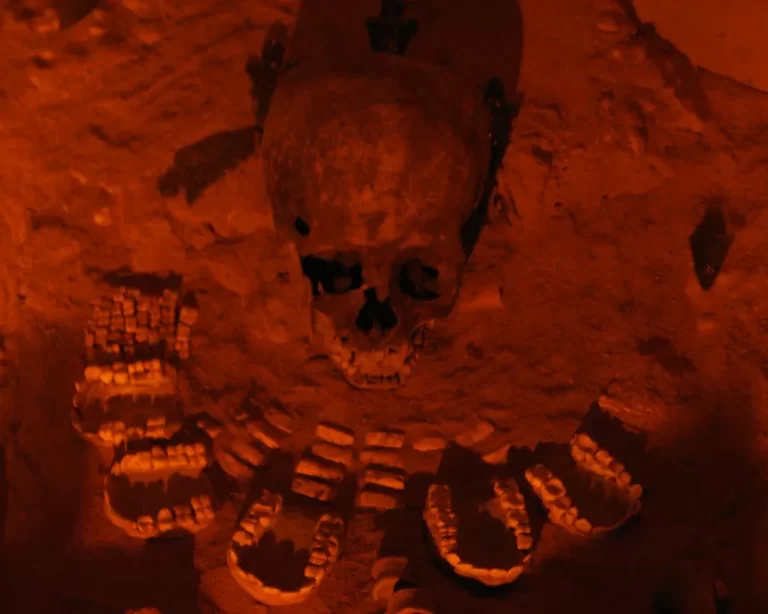
The Teuchitlán people had no writing system, and their language and name remain unknown. The name “Teuchitlán” comes from the nearby town and was given by later Nahuatl-speaking migrants to the area. The culture is also associated with the shaft tombs found in the region. Which are modest in size and offerings but located underneath public architecture.
Archaeological Significance
Los Guachimontones is the largest of several dozen Teuchitlán culture sites in the region. Notable for the number and size of its ceremonial buildings. The site provides valuable insights into the social organization, religious practices, and architectural achievements of the Teuchitlán people.
The circular pyramids, or guachimontones, are unique to the Tequila Valleys and are believed to have been used for spiritual and ceremonial purposes. The site’s terraced hillsides and residential mounds indicate a sophisticated approach to land use and agriculture, supporting a large population during its peak.
Tourism and Preservation
Los Guachimontones is a major tourist attraction within the Tequila Valleys. Offering guided tours that explore the pre-Hispanic cultures and rituals of the region. The site is part of the Agave Landscape and Ancient Industrial Facilities of Tequila UNESCO World Heritage site. Highlighting its cultural and historical importance.
Efforts to preserve and protect Los Guachimontones are ongoing. With the site’s boundaries encompassing the main ceremonial areas, house mounds, and terraced hillsides. However, remains of the site extend beyond the protected boundaries, indicating the need for continued archaeological research and conservation.

Conclusion
Los Guachimontones stands as a testament to the ingenuity and complexity of the Teuchitlán culture. Offering a unique glimpse into the pre-Columbian history of Jalisco, Mexico. Its circular pyramids, ceremonial centers, and terraced hillsides reflect a highly organized society with advanced architectural and agricultural practices. As part of the UNESCO World Heritage site, Los Guachimontones continues to attract visitors and researchers. Interested in the rich cultural heritage of the Tequila Valleys.