Keiss Castle: Scotland’s Historic 16th-Century Stronghold
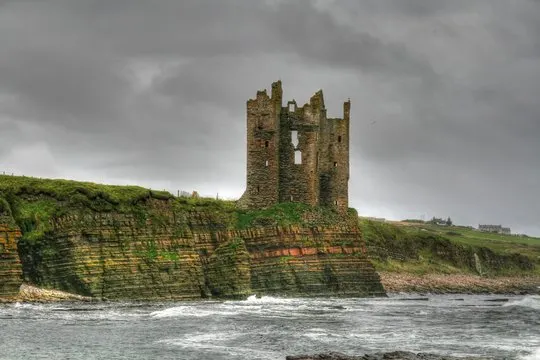
Perched dramatically on the rugged coastline of Caithness in northern Scotland, Keiss Castle stands as a haunting reminder of the country’s turbulent past. Built in the 16th century by George Sinclair, 5th Earl of Caithness, this castle once served as a fortified residence and defensive stronghold against rival clans and seaborne threats.
Though now a ruin, Keiss Castle retains its charm and intrigue. Its location near the village of Keiss offers panoramic views of Sinclair’s Bay, making it both a historical landmark and a scenic destination for visitors exploring Scotland’s northern Highlands.
Origins of Keiss Castle
The castle was constructed in the late 16th century under the direction of George Sinclair, a powerful figure in Caithness. The Sinclairs, a prominent Scottish clan of Norse descent, played a central role in the political and military struggles of the Highlands.
Reasons for Construction
-
To assert dominance over the surrounding lands.
-
To protect coastal routes from Norse raiders and rival clans.
-
To serve as a residential seat for the Sinclair family.
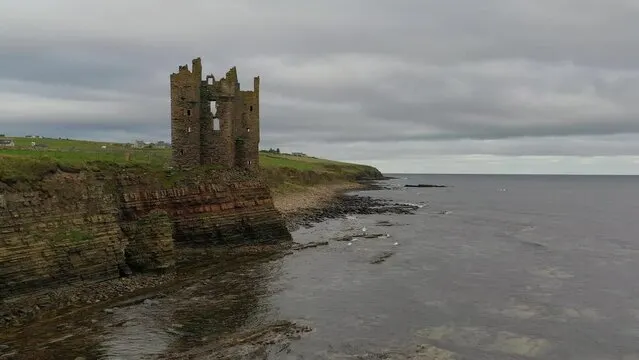
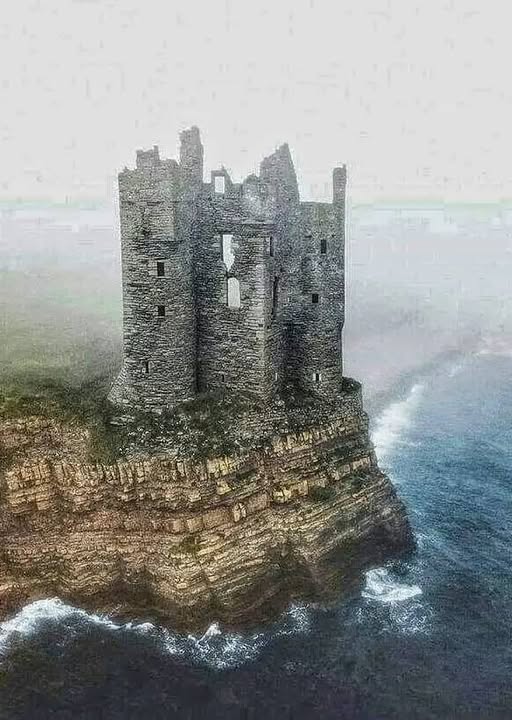
Its strategic placement on the cliffs of Sinclair’s Bay symbolized both power and defense, projecting authority across the northern coast.
Architecture and Design
Keiss Castle was designed in the Z-plan tower house style, typical of Scottish castles during the late medieval and early Renaissance periods.
Architectural Features:
-
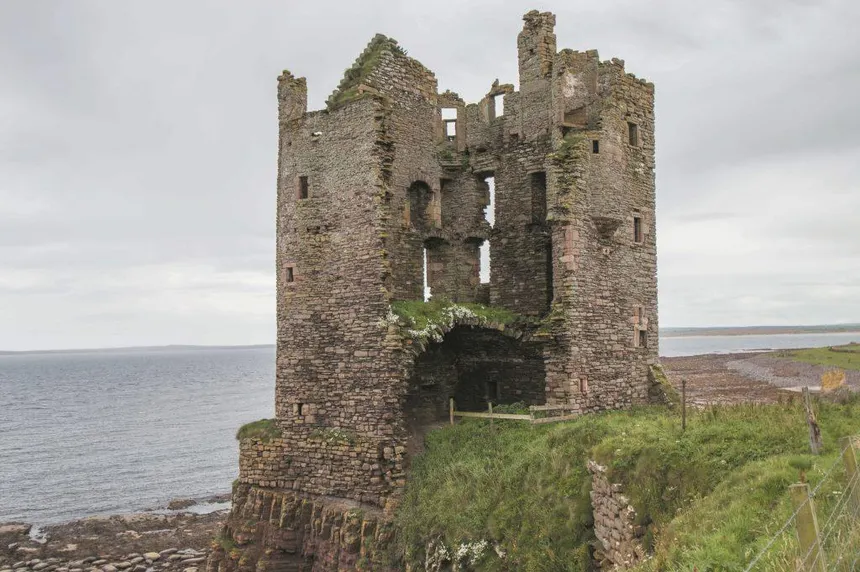
Four stories high, with thick defensive walls.
-
Square main block with projecting towers for improved defense.
-
Narrow slit windows, allowing archers to guard against attackers.
-
A dramatic clifftop setting, utilizing natural geography as part of its fortifications.
Though partially collapsed today, the castle still reveals the grandeur and military-minded design of its original builders.
The Sinclair Clan and Keiss Castle
The castle was intrinsically tied to the Sinclair clan, one of Scotland’s most influential families. Their Norse heritage linked them to the Earls of Orkney, and by the 16th century, they were deeply entrenched in Highland politics.
George Sinclair, who built Keiss Castle, intended it as both a symbol of clan prestige and a fortified refuge. Over time, however, the castle witnessed numerous clan conflicts, feuds, and shifts in political allegiance.
Turbulent History
Like many Highland castles, Keiss Castle was no stranger to conflict.
Notable Events:
-
17th century conflicts: The castle faced damage during disputes between Scottish clans, particularly as power struggles intensified in Caithness.
-
Royal involvement: Reports suggest that by the early 17th century, the castle was considered in poor repair, noted in official records.
-
Decline of power: As the Sinclair family’s political influence waned, the castle’s importance diminished.
By the 18th century, Keiss Castle had fallen into ruin, leaving behind only remnants of its once formidable presence.
Keiss Village and the New Keiss House
The nearby village of Keiss grew around the castle, serving as a fishing and farming settlement. In the 18th century, the new Keiss House was built nearby, providing a more modern residence for the Sinclair family and marking the end of the medieval castle’s use as a noble dwelling.
The New Keiss House
-
Built around 1755, later remodeled in the 19th century.
-
Designed in a more comfortable, Georgian style.
-
Became the primary estate house for the Sinclairs.
This transition highlights the broader shift in Scotland from fortified tower houses to elegant country estates.
Legends and Folklore
Like many Scottish castles, Keiss is surrounded by myths and legends, often tied to its dramatic coastal setting.
Common Tales:
-
Stories of Sinclair clan battles fought in the shadow of the castle.
-
Local folklore about hidden treasures buried in its ruins.
-
Ghostly apparitions said to haunt the castle, particularly on stormy nights.
These legends contribute to its mystique, drawing interest from visitors and ghost hunters alike.
The Castle Today: A Ruined but Iconic Landmark
Today, Keiss Castle is a ruined structure, but its picturesque location makes it a favorite stop for photographers, historians, and travelers exploring northern Scotland.
Visiting Keiss Castle
-
The castle is located on private land, but viewing from a distance is permitted.
-
Visitors often combine trips to the castle with tours of nearby Sinclair’s Bay and the village of Keiss.
-
The ruins, silhouetted against the North Sea, provide one of the most striking coastal views in the Scottish Highlands.
Although entry to the ruins is restricted for safety reasons, the site remains an evocative reminder of Scotland’s feudal past.
Preservation and Historical Value
Keiss Castle is classified as a scheduled ancient monument, recognizing its importance in Scottish history and architecture.
Preservation efforts focus primarily on:
-
Maintaining the structural stability of remaining walls.
-
Protecting the site from erosion caused by the harsh coastal climate.
-
Ensuring the castle remains a heritage landmark for educational and cultural tourism.
While the castle itself is unlikely to be restored, its value lies in its historical narrative and its role as a cultural symbol of Caithness.
Keiss Castle in Scottish Heritage
Keiss Castle is more than just a ruin—it represents the enduring legacy of Scotland’s castles and the people who built them.
Cultural Importance:
-
Clan Heritage: Symbol of the Sinclairs’ dominance in Caithness.
-
Architectural Record: Example of Z-plan castles in Scotland.
-
Tourism: Contributes to Scotland’s image as a land of dramatic ruins and rich history.
Its story reflects broader themes in Scottish history: the transition from medieval warfare to modern estate living, and the resilience of cultural identity across centuries.
Conclusion
Keiss Castle stands as a powerful reminder of Scotland’s medieval past, perched defiantly on the cliffs of Caithness. Built in the 16th century by George Sinclair, it once served as a fortress, residence, and clan stronghold. Though now a ruin, it continues to capture imaginations with its dramatic setting, clan history, and aura of mystery.
As a protected monument, Keiss Castle embodies the romance and resilience of Scotland’s heritage, reminding us of a time when castles were not just symbols of power but also vital guardians of the land and its people.
For travelers exploring the Highlands, Keiss Castle offers both a glimpse into history and a breathtaking view of Scotland’s rugged northern coast.
ALSO READ: The Cup of the Ptolemies: Ancient Masterpiece Turned Medieval Chalice