The Hunting House at Castle of Cignolo Po: History, Architecture & Cultural Significance in Lombardy
Nestled in the tranquil countryside of Lombardy near the Po River, the Castle of Cignolo Po is famed not only for its baroque elegance but also for its unique “Hunting House” or “Palazzina di Caccia”. Originally conceived as a noble retreat, this architectural gem served as a space for leisure, hunting, and refined entertainment among Italy’s aristocratic elite in the 18th and 19th centuries. Its story is deeply connected with the region’s transformation from medieval stronghold to a symbol of the leisurely pursuits of nobility.
Historical Background
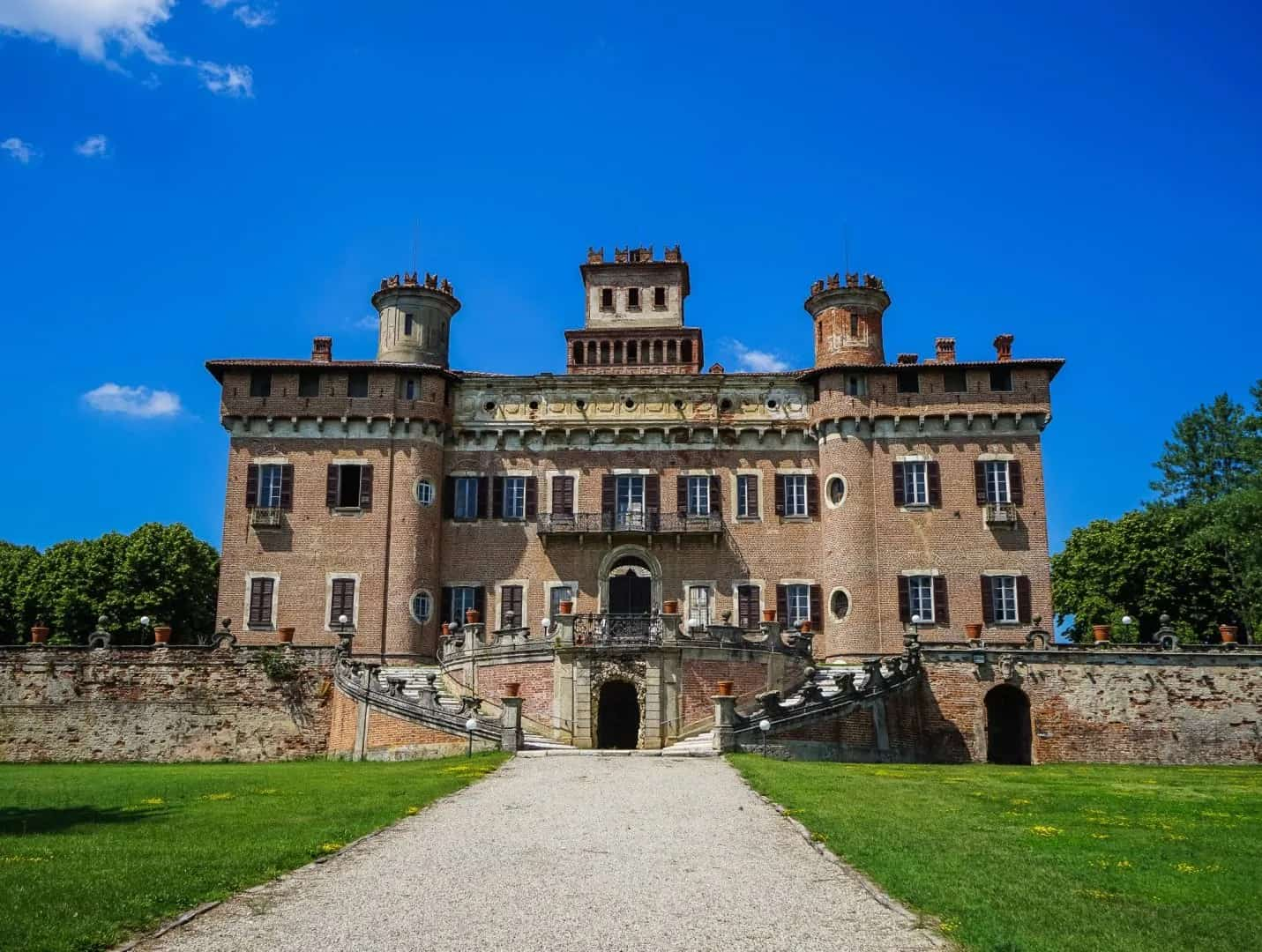
The Castle of Cignolo Po traces its roots to the 8th century, when King Liutprand of the Lombards established a defensive tower to safeguard the vital stretch along the Po River and the Via Francigena – the pilgrimage route linking Northern Europe with Rome. This medieval core formed the heart of subsequent castle expansions, reflecting centuries of ownership by prominent families such as the Pusterla, Federici, and Cusani dynasties. By the 18th century, the estate had evolved into one of Lombardy’s most elegant castles, famously dubbed the “Versailles of Lombardy” for its majestic style and abundant hospitality to popes, kings, emperors, and diplomats.
The hunting lodge itself was the vision of Cardinal Agostino Cusani, who commissioned its construction as a place for leisure and recreation, inspired by the royal hunting residence at Stupinigi. The Palazzina di Caccia soon became the centerpiece for grand parties, hunting excursions, and cultural gatherings, attracting illustrious guests including Austrian Emperor Francesco I and Napoleon.
Architectural Features
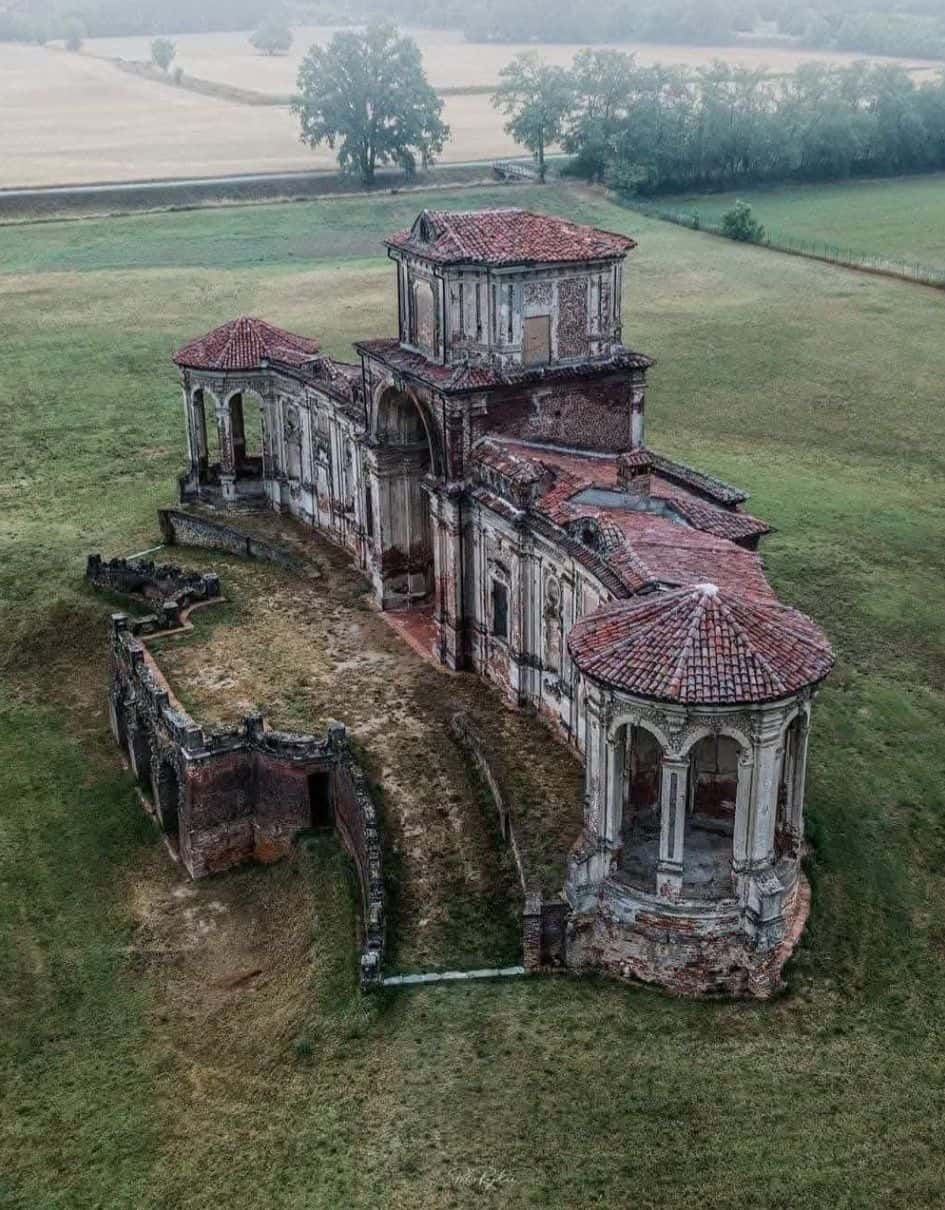
Designed in the Baroque style, the Hunting House stands amid the castle’s park and gardens, surrounded by lush greenery and woodland. Its construction featured renowned architects and artisans, such as Giovanni Ruggeri and Venetian artists from the Tiepolesque School. Highlights of the estate include:
-
Elegant curved staircases and gated entrances that enhance the sense of arrival.
-
Grand ballrooms and reception halls boasting frescoes, stucco work, and 15th-century flooring.
-
Unique decorative elements such as false windows, balustraded balconies, and three-dimensional ceiling art.
-
Sculptures, fountains, and ornamental gardens evocative of a French palace atmosphere.
-
The ancient wine cellar and historic kitchen, which showcase daily life and festivities held at the castle.
The Palazzina di Caccia itself was elegantly designed for comfort and entertainment, with airy rooms, scenic views, and spaces dedicated to socializing and relaxation after the hunt.
Cultural Significance
The Hunting House at Cignolo Po stands out as a rare example of Italy’s aristocratic country life, blending leisure pursuits with refined taste and cultural patronage. Over the centuries, it facilitated not only hunting but also elaborate banquets, music, storytelling, and diplomatic events. Its designation as a key station along the Via Francigena further strengthened its role as a hub for travelers, clergy, and noble guests from across Europe.
The estate’s later use by the Sovereign Order of Malta and its transformation into a private residence by the Procaccini family highlights ongoing preservation and adaptive reuse, balancing heritage conservation with modern hospitality. Today, while much of the complex remains a private home, guided tours and special events offer rare glimpses into its rich legacy and artistic treasures.
Visiting and Restoration Efforts
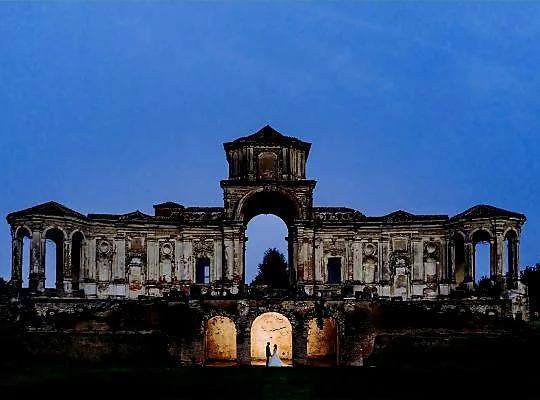
Chignolo Po’s castle – including its Hunting House – welcomes visitors for guided tours, weddings, and historical education programs. Restoration work by the Procaccini family has prioritized the conservation of frescoes, statuary, and architectural details while ensuring public accessibility during select events. The estate’s gardens, cellars, and salons are popular highlights for history enthusiasts, architecture lovers, and travelers seeking a blend of grandeur and tranquility.
While the Hunting House itself requires ongoing maintenance due to past neglect, its evocative ruins and atmospheric charm continue to inspire interest and protection efforts from heritage groups and local authorities. Future restoration would further elevate its standing as a regional landmark and cultural destination in Northern Italy.
Travel Information
Located south of Milan near Pavia, Chignolo Po makes an idyllic day trip for visitors keen on discovering Lombardy’s hidden gems. Access is typically by car or organized tour, with visits recommended during spring and summer for garden views and estate events. The castle also hosts exclusive weddings and private functions, adding a layer of contemporary relevance to its storied past.
Conclusion
The Hunting House at Castle of Cignolo Po embodies the elegance, heritage, and mystique of Italy’s aristocratic estates. For history lovers, architectural explorers, and cultural travelers, it represents a fascinating link between Lombard medieval power, Baroque artistry, and modern preservation. Its enduring legacy as a noble retreat in the heart of Lombardy deserves ongoing study, respect, and celebration – a true treasure amid Italy’s historic landscape.
ALSO READ: Lightning Photograph in West Virginia: Danny Danya’s Once-in-a-Lifetime Shot