3,000-Year-Old Sacred Pool and Temple Unearthed in Ancient Hittite City of Nerik
In the misty highlands of northern Anatolia, near the ancient Black Sea port of Nerik, archaeologists have uncovered a breathtaking window into the spiritual world of the Hittite Empire. Excavations at the site have revealed a 3,000-year-old sacred pool, complete with waterlogged hazelnut shells and wooden fragments cut with bronze tools — astonishingly preserved beneath centuries of sediment.
This discovery, dating to the 13th century BCE, offers a rare, tangible connection to Hittite ritual life and to the natural environment that sustained one of the most powerful civilizations of the Late Bronze Age.
The Hittite Civilization: Masters of Bronze and Belief
A Brief Background
The Hittites, who ruled much of Anatolia and northern Syria between 1600–1200 BCE, were among the great powers of the ancient Near East. From their capital at Hattusa, they maintained a vast empire that rivaled Egypt, Babylon, and Assyria.
While best known for their military prowess and diplomatic archives, the Hittites were also a deeply religious people, venerating hundreds of gods associated with nature — particularly water, mountains, and storms. Temples, pools, and ritual spaces formed vital components of their urban and sacred landscapes.
Nerik: The City of the Weather God
Nerik (modern Oymaağaç Höyük) was a major Hittite religious center, dedicated to the Weather God of Nerik, one of the most important deities in the Hittite pantheon. The city’s sanctuaries were believed to house rituals related to rain, fertility, and renewal, often involving water as a purifying and sacred element.
For centuries, Nerik was thought to be lost — mentioned only in Hittite texts — until archaeologists rediscovered it in 2005 near the Samsun province of northern Turkey.
Discovery of the Sacred Pool: Unearthing a Ritual Past
A Temple Hidden Beneath Time
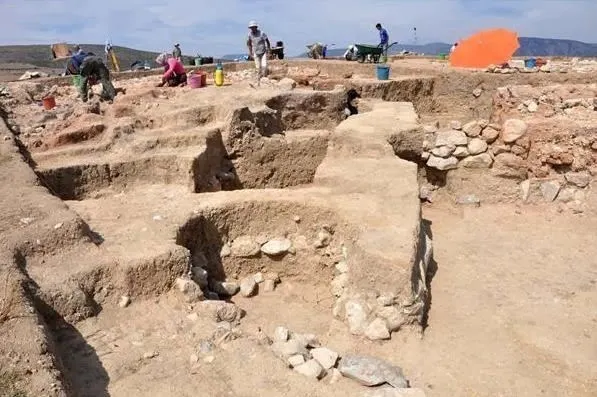
The newly excavated sacred pool lies within what researchers identify as a temple precinct, where rituals connected to the weather god and seasonal renewal would have been performed. Beneath layers of soil and clay, excavators found a stone-lined pool still retaining traces of ancient water sediments.
Inside, archaeologists recovered an astonishing assortment of organic materials — including hazelnut shells, wood fragments, and tool-cut timbers. The survival of such fragile materials in the archaeological record is exceptionally rare, especially from Bronze Age Anatolia.
Hazelnuts and Ritual Offerings
The hazelnut shells, dated to approximately 1200 BCE, may have formed part of ritual offerings or communal feasts associated with the temple’s ceremonies. In Hittite culture, food offerings were common acts of devotion, expressing gratitude to the gods for harvests, rain, and prosperity.
The presence of nuts in a sacred water feature suggests they could have been symbolic offerings to the divine forces of fertility and abundance, perhaps tossed into the pool as part of a seasonal or agricultural rite.
Wood and Bronze Tool Marks
Equally remarkable are the wooden fragments, some of which bear distinct cut marks made by bronze tools. These timbers may have belonged to ritual platforms, temple structures, or offerings, preserved by the waterlogged environment that protected them from decay for three millennia.
Microscopic analysis of these tool marks reveals fine craftsmanship, hinting at the skilled artisans and priests who maintained the temple’s sacred infrastructure.
Ritual Water: The Lifeblood of Hittite Religion
The Spiritual Symbolism of Water
Water held deep symbolic meaning in Hittite religion. Flowing rivers, springs, and pools were seen as sacred thresholds between the human and divine realms — spaces of purification and renewal.
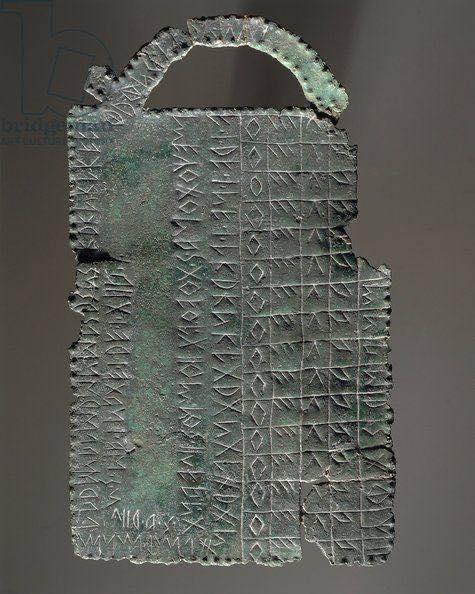
Texts from Hattusa describe ritual ablutions, libations, and seasonal festivals centered around water sources. The discovery of a dedicated sacred pool at Nerik aligns perfectly with these traditions, offering the first archaeological evidence that complements what was long known only from clay tablets.
The Temple as a Cosmic Center
Within Hittite cosmology, temples were not merely places of worship — they were microcosms of the universe. The sacred pool may have symbolized the primordial waters of creation, a recurring motif in Anatolian and Mesopotamian belief systems. By ritually engaging with the pool, priests could reenact the renewal of the world each year, ensuring fertility and cosmic balance.
A Rare Glimpse of Daily and Ritual Life
Beyond Myth: Real Artifacts of Ritual Practice
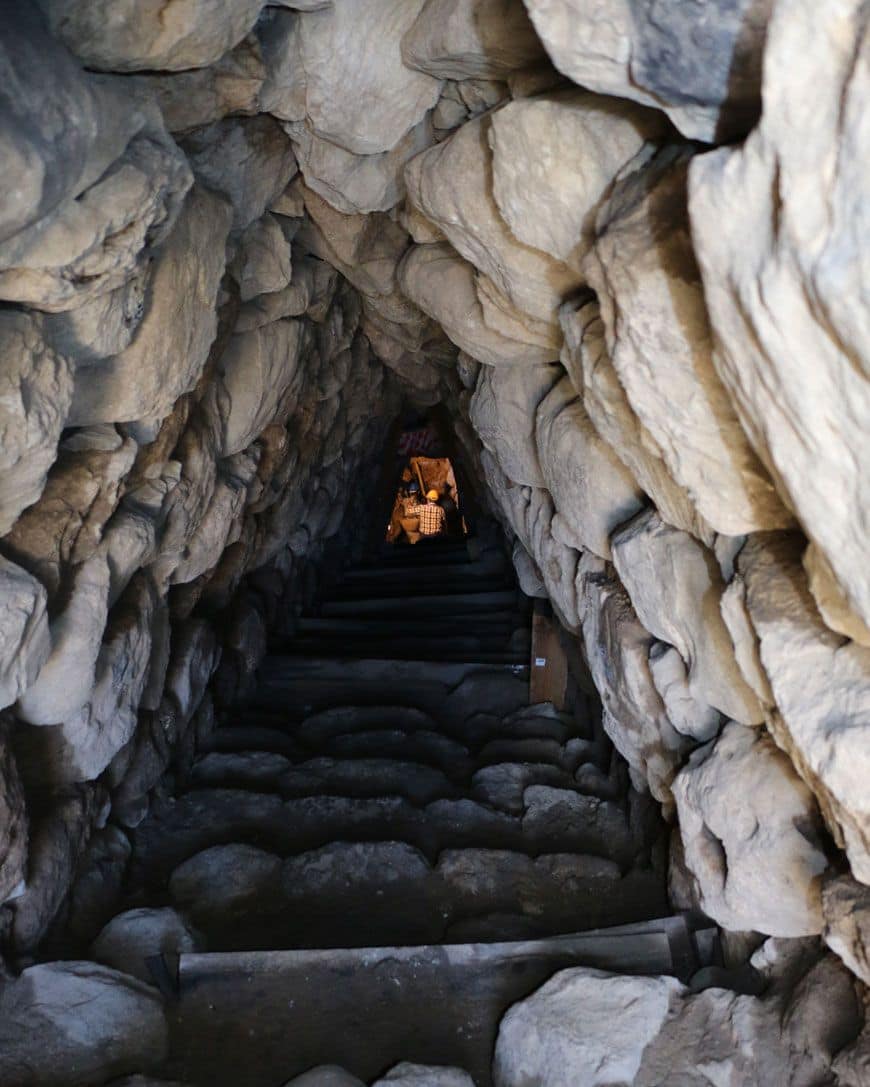
Unlike the monumental stone ruins often associated with Bronze Age archaeology, the Nerik discovery brings to light the intimate material traces of living ritual — organic remains that bridge the mythic and the mundane.
The hazelnuts connect the sacred to the everyday, reflecting how agricultural life and religious devotion were deeply intertwined. The bronze-cut wood demonstrates the technological sophistication of the Hittites, whose mastery of metallurgy helped define their age.
Together, these elements provide a holistic picture of how spirituality permeated every aspect of Hittite society — from feasting to craftsmanship, from seasonal rhythms to divine communication.
Scientific Significance: Preservation and Analysis
Exceptional Preservation in a Waterlogged Environment
The Nerik pool represents one of the best-preserved Hittite ritual contexts ever found. Normally, organic materials such as wood or nutshells decompose rapidly, but in this case, the oxygen-poor environment of the pool created a natural seal that preserved the artifacts for thousands of years.
Archaeobotanical and dendrological studies are now underway to identify wood species, cutting techniques, and seasonal contexts for the materials, while residue analysis on the hazelnut shells could provide further clues about ritual consumption or offering practices.
Connecting Text and Artifact
What makes this discovery especially exciting is its direct correlation with ancient Hittite texts. Inscriptions from Hattusa and Sapinuwa describe ceremonies involving the Weather God of Nerik, including libations poured into sacred pools. The newly discovered site may thus represent the actual physical setting of such rituals.
The Broader Legacy of the Hittites
A Bridge Between East and West
The Hittite Empire was a cultural crossroads, integrating influences from Mesopotamia, Anatolia, and the Aegean. Their religious practices blended local Anatolian deities with Mesopotamian traditions, creating a rich and syncretic spiritual world.
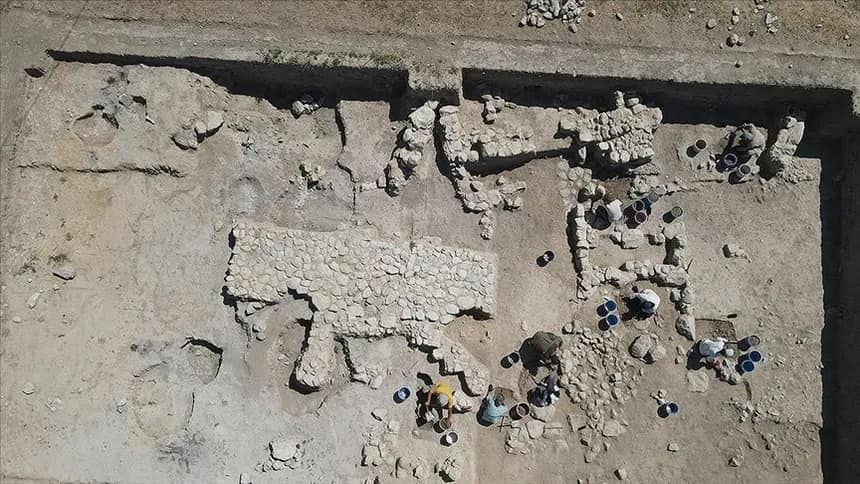
Discoveries like the Nerik sacred pool not only illuminate Hittite faith. But also demonstrate how ancient Anatolia served as a bridge between civilizations. Transmitting religious and artistic traditions that shaped later cultures of the Near East and Mediterranean.
Conclusion: A Sacred Reflection from 3,000 Years Ago
The discovery of the 3,000-year-old sacred pool and temple remains at Nerik is far more than an archaeological milestone — it’s a resonant echo of human spirituality. In the quiet of that ancient pool, beneath the waters that once shimmered with ritual offerings. We glimpse a world where nature and divinity were inseparable.
The hazelnut shells, bronze-cut wood, and sacred architecture of Nerik remind us. That the Hittites sought harmony between earth, water, and the gods. Three thousand years later, their faith, ingenuity. And reverence for the natural world continue to ripple through time. Offering a profound connection to our shared human past.