Ceramic Plate with Geometric Design: A Hallstatt Culture Masterpiece
A Window into Early Celtic Europe
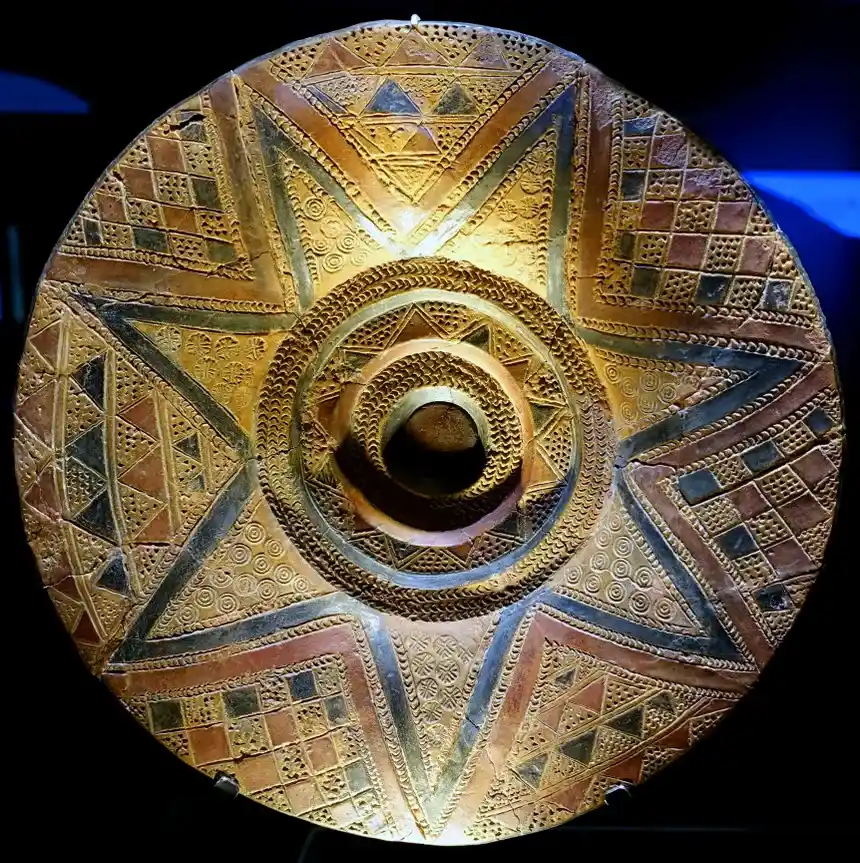
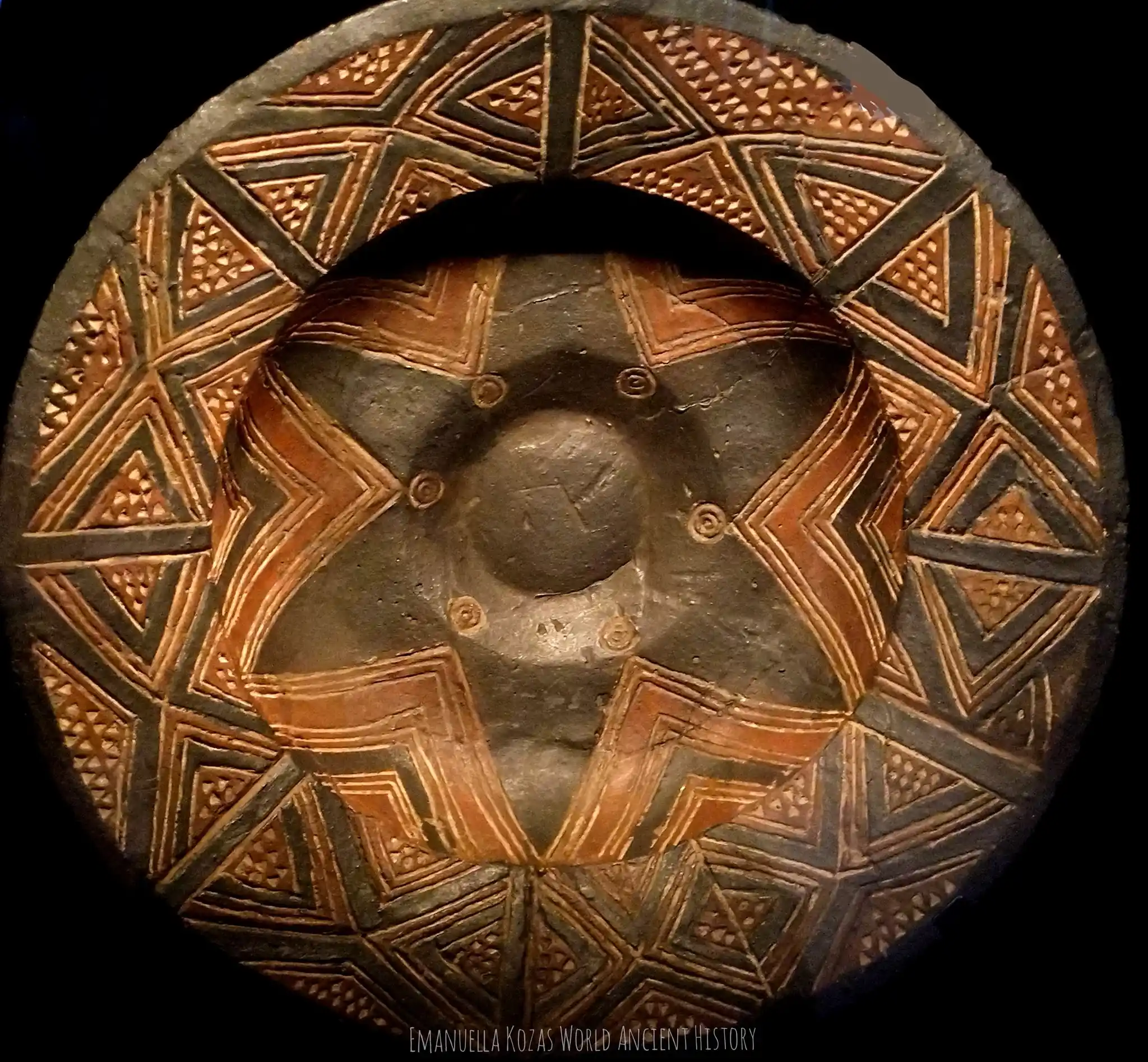
Among the most fascinating archaeological discoveries from Central Europe’s Hallstatt culture (c. 1200–450 BC) are its ceramics. One striking example is a ceramic plate with a geometric design, dating to the 8th–7th century BC, unearthed in Germany. This plate embodies not only the practical needs of daily life but also the aesthetic, symbolic, and cultural dimensions of a society transitioning from the Late Bronze Age into the Early Iron Age.
The Hallstatt culture, often regarded as the first phase of Celtic culture, produced an array of material goods that reveal early Celtic identity, social organization, and artistry. This ceramic plate stands as a timeless reminder of the skill and symbolism embedded in everyday objects.
The Hallstatt Culture: Origins and Spread
Geographic Reach
The Hallstatt culture flourished across Central and Western Europe, reaching two broad zones:
-
Eastern Zone: Austria, Hungary, Slovakia, and neighboring areas.
-
Western Zone: Southern Germany, Switzerland, Northern Italy, and Eastern France.
The plate in question comes from the western Hallstatt zone, specifically Germany, highlighting regional stylistic expressions within a broader cultural unity.
Historical Context
The Hallstatt period is crucial in European history because it represents:
-
The transition from Bronze Age Urnfield traditions to Iron Age societies.
-
The emergence of tribal chiefdoms with complex hierarchies.
-
The cultural foundation that would later develop into the La Tène culture (c. 450–50 BC), associated more directly with the Celts of classical antiquity.
Ceramic Plate with Geometric Design: Description
Materials and Technique
The plate was fashioned from clay and carefully fired to ensure durability. Hallstatt potters were highly skilled, employing techniques such as:
-
Wheel-throwing or hand-forming vessels.
-
Burnishing surfaces to achieve smooth finishes.
-
Painting or incising geometric patterns, often using natural pigments.
Geometric Motifs
The plate’s design features geometric decoration, a hallmark of Hallstatt art. Common motifs included:
-
Lines and zigzags, symbolizing order and rhythm.
-
Triangles and diamonds, sometimes with symbolic meanings tied to fertility or protection.
-
Circular and cross-hatched patterns, reflecting symmetry and cosmic order.
Function
While utilitarian in form, plates such as this likely served multiple purposes:
-
Everyday domestic use for food preparation or serving.
-
Ceremonial functions in feasting, burial rituals, or offerings.
-
Displays of wealth and craftsmanship in elite households.
The Role of Pottery in Hallstatt Society
Pottery was central to Hallstatt daily life and ritual practice. Beyond utility, ceramics were:
-
Status symbols: finely decorated wares reflected the prestige of elites.
-
Cultural markers: pottery styles varied regionally, offering archaeologists clues to identity and interaction.
-
Trade goods: ceramics traveled across networks, connecting Hallstatt communities with neighbors.
The ceramic plate from Germany embodies these functions, serving as both an object of use and a cultural statement.
Symbolism of Geometric Designs
Meaning in Early Celtic Context
Geometric motifs were not mere decoration—they reflected cosmic, spiritual, and societal structures. Repeated patterns represented order, continuity, and harmony.
Triangles and zigzags may have symbolized:
-
Natural forces such as water or mountains.
-
Cycles of life and death, important in funerary contexts.
-
Protective elements, warding off malevolent forces.
Broader European Connections
Geometric art was widespread in the Bronze and Early Iron Age, linking Hallstatt ceramics with styles found in neighboring cultures, from the Urnfield to the Villanovan of Italy. This points to shared symbolic vocabularies across Europe.
Hallstatt Society: Daily Life and Hierarchy
Social Stratification
The Hallstatt world was marked by distinct social classes:
-
Elites: chiefs and warrior leaders, buried in richly furnished tombs with weapons, jewelry, and imported luxury goods.
-
Commoners: farmers, herders, and craftsmen who produced essential goods, including pottery.
The ceramic plate represents the work of skilled artisans, possibly commissioned by higher-ranking individuals to reflect their wealth and identity.
Economy and Trade
Hallstatt societies were engaged in long-distance trade, exchanging salt, iron, and gold for Mediterranean goods like Greek pottery and Etruscan bronze. The ceramic plate’s style reflects both local identity and regional influences.
Burial Practices and Ritual Use
Pottery played an important role in Hallstatt burials. Many graves contained ceramics filled with food or drink, offerings for the journey into the afterlife.
The geometric plate may have served such a ritual purpose, symbolizing both sustenance and order in the afterlife. Its design reinforced cosmic balance, ensuring the deceased’s safe passage.
Transition to La Tène Culture
By the mid-5th century BC, the Hallstatt culture evolved into the La Tène culture, associated more clearly with the historical Celts. While La Tène art introduced more curvilinear and ornate styles, Hallstatt’s geometric ceramics provided the foundation.
The ceramic plate thus represents a cultural bridge, linking the Bronze Age’s structured designs to the fluid motifs of the later Celtic world.
The Plate in Modern Context
Today, the ceramic plate is housed in German archaeological collections, where it contributes to public understanding of Europe’s prehistoric past.
-
Archaeological importance: It helps date settlement layers and understand cultural phases.
-
Educational value: It is displayed in museums to teach about the Hallstatt period and Celtic origins.
-
Cultural heritage: It embodies a shared European past that predates written history.
Why the Hallstatt Ceramic Plate Matters
The plate is important for several reasons:
-
Archaeological Value: Provides insight into daily life and rituals of the Hallstatt people.
-
Cultural Significance: Demonstrates the symbolic role of geometric designs in early Celtic society.
-
Artistic Achievement: Reflects the technical skill and creativity of early Iron Age potters.
-
Historical Transition: Bridges the Urnfield traditions of the Bronze Age with the La Tène culture of the Iron Age Celts.
-
Shared Heritage: Reminds us of Europe’s interconnected prehistoric cultures.
Conclusion: A Plate of Power and Meaning
The Hallstatt ceramic plate with geometric design may seem like a simple object, but it represents a profound cultural achievement. Created in Germany between the 8th and 7th centuries BC, it speaks to a society that valued order, symbolism, and artistry.
As part of the wider Hallstatt culture, the plate illustrates the transition from Bronze Age communities to Celtic tribal societies, laying the groundwork for the La Tène culture that would dominate much of Iron Age Europe.
Today, the plate endures as a fragment of a larger narrative—a story of innovation, belief, and identity that continues to resonate across Europe’s ancient past.
ALSO READ: The Royal Gold Belt of Surigao: A Masterpiece of Precolonial Philippine Craftsmanship