A Forgotten Branch of Humanity: 7,000-Year-Old Mummies from the Green Sahara
Unveiling a Lost Lineage
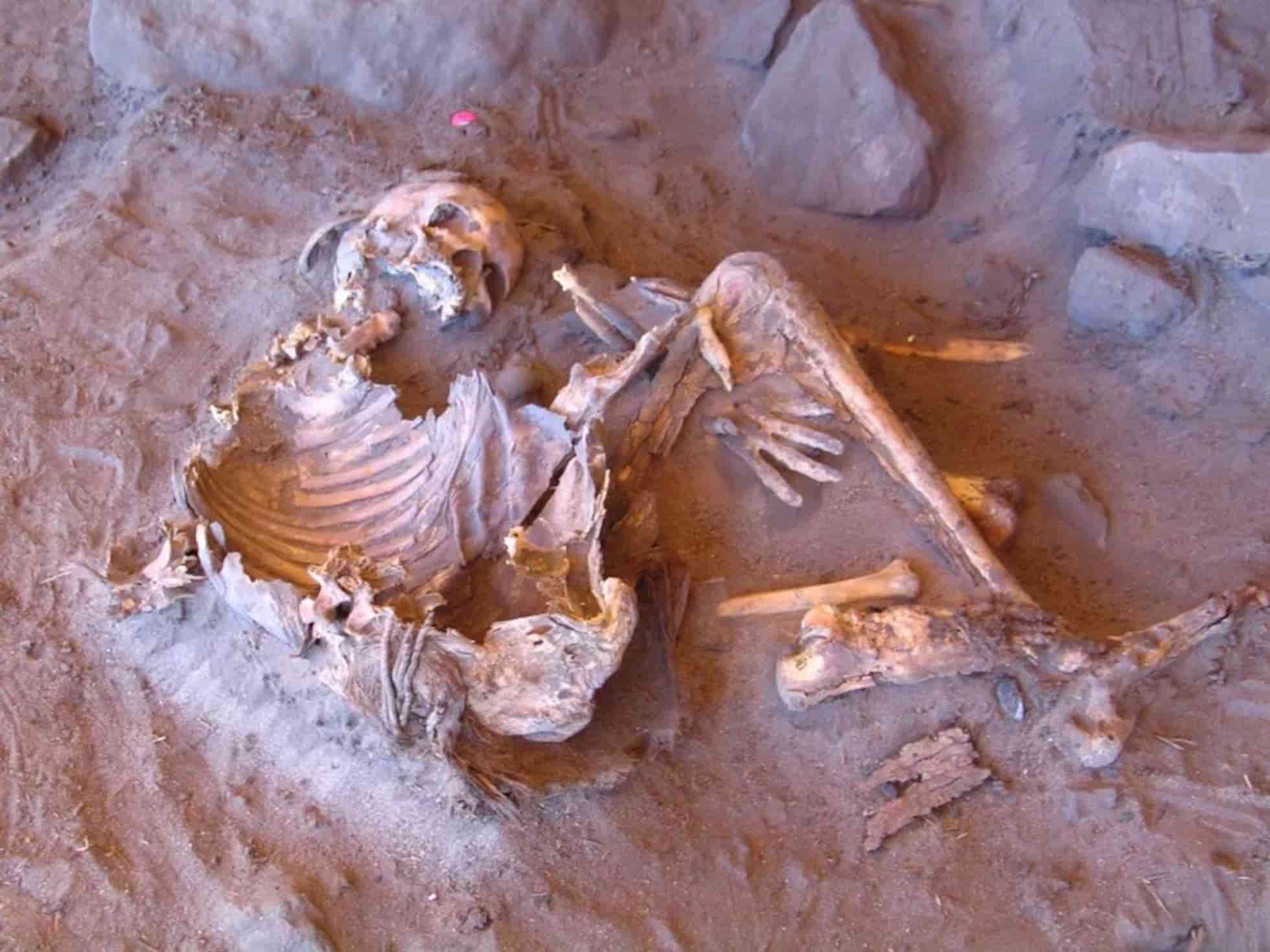
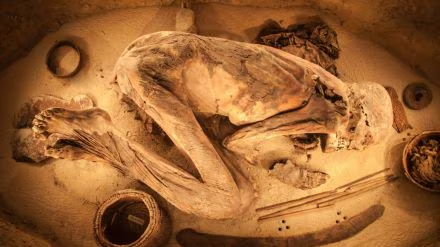
Deep beneath the sands of the present-day Sahara, archaeologists at Libya’s Takarkori rock shelter made a breakthrough discovery: the naturally mummified remains of two women who lived more than 7,000 years ago, when this region was a lush savanna instead of a parched desert. Genomic analysis revealed that they belonged to a previously unknown human lineage, one that had remained isolated from both sub-Saharan Africans as well as populations in the Near East and Europe.
This ancient population represents a unique chapter in the story of Homo sapiens—a branch that split from other African lineages about 50,000 years ago, around the time that modern humans began spreading out of Africa to other continents. Genetically, these Saharan people carried almost no sub-Saharan ancestry. They evolved independently in North Africa, creating a ghost branch that left only faint genetic echoes in today’s North African populations.
Life in the Green Sahara
The African Humid Period
From about 14,500 to 5,000 years ago, the Sahara experienced the African Humid Period—a time when seasonal monsoons transformed the desert into savanna teeming with rivers, lakes, and lush plant life. These green corridors became home to many species, including a diversity of human cultures. Archaeological finds at sites like Takarkori have upended our preconceptions, revealing pastoralist societies that tended livestock in a thriving landscape.
Pastoralists and Cultural Innovation
The Takarkori people practiced animal husbandry, raising cattle and sheep amidst wetlands and grasslands. What’s extraordinary is that their lifestyle—characteristic of the Near East and the Mediterranean—emerged not through population migration but rather cultural diffusion. The spread of pastoralism in the Sahara likely happened by the exchange of ideas and skills, not waves of incoming people, which supports the finding that their DNA is so distinct.
The Genetic Legacy: A Parallel Human Story
Isolated Gene Pool
Genomic study of the Takarkori mummies documented a genetic legacy almost without precedent: these women had virtually no sub-Saharan ancestry—their genetic profile stood apart from all nearby groups, ancient or modern. Their branch of humanity split off as humans began their journey out of Africa, then remained isolated for thousands of years, even when the Sahara’s environment could have allowed mass movement and contact.
Neanderthal DNA—A Puzzling Trace
Unlike most populations outside Africa, who carry around 2% Neanderthal DNA, the Takarkori individuals had ten times less—less even than many sub-Saharan Africans, but more than some groups living far to the south. This pattern suggests their ancestors left Africa but never mingled with the populations who interbred with Neanderthals elsewhere. When the Sahara dried up and became a barrier again, their genetic legacy faded, surviving only as a small component in today’s North African peoples.
The Archaeological Evidence
The Takarkori Shelter
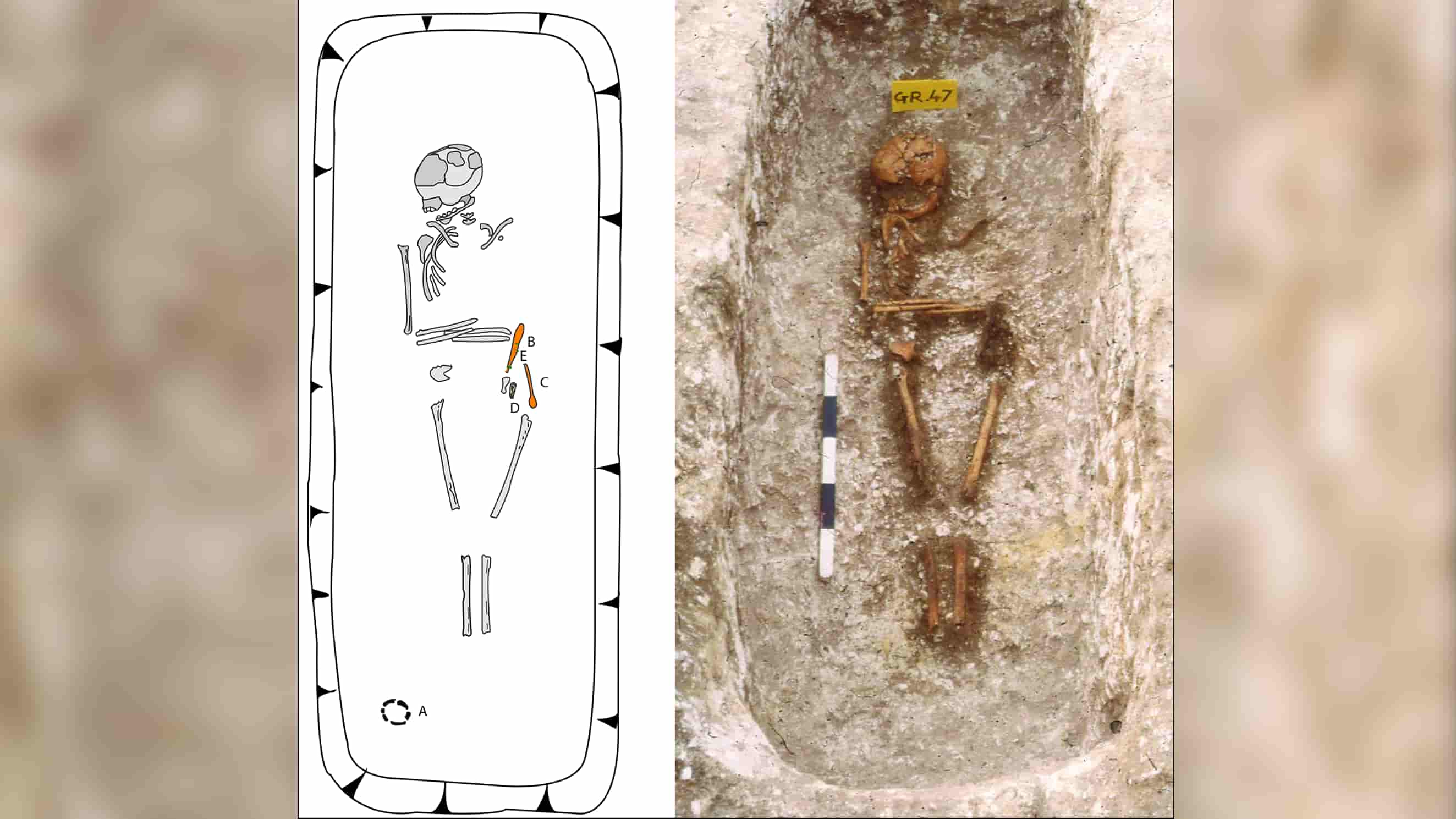
Archaeologists uncovered 15 burials at Takarkori, mostly women, juveniles, and children—all believed to originate from the same ancient community. Exceptional preservation enabled geneticists to sequence ancient DNA for the first time in Saharan Africa, as previous attempts in this harsh region had failed due to poor preservation.
Tools, Art, and Daily Life
Findings from the site and other Green Sahara settlements indicate a society well adapted to its environment: evidence of early pottery for plant processing, elaborate rock art, and material culture that marks them as innovative, skilled, and distinct.
Rethinking Human Migration and the Sahara
For decades, researchers assumed the Green Sahara acted as a migration corridor, linking sub-Saharan Africa with the Mediterranean and driving waves of human movement. The DNA from Takarkori shatters this paradigm: during the African Humid Period, the Sahara was settled by peoples who didn’t mingle with their neighbors, their isolation echoing through the ages.
The Sahara’s cycles of greening and aridification acted alternately as bridges and barriers for humans and other species, shaping our shared story in complex, unexpected ways.
Why This Lost Branch Matters
Every new discovery in the Green Sahara forces scientists to revise assumptions about ancient Africa’s role in global prehistory. The Takarkori mummies show that the human family tree is more tangled than previously believed—full of hidden branches, lost lineages, and surprising connections.
These findings also shine a light on how environmental change—especially dramatic shifts like the Sahara’s lush-to-desert transformation—impacts entire civilizations and genetic legacies.
Key Takeaways for Archaeology and Human Origins
-
A unique, isolated branch of humanity thrived in the Green Sahara, diverging from other African populations around the time humans spread across the globe.
-
Their DNA is found faintly in some modern North Africans, a vanished echo of an ancient world.
-
The Green Sahara’s pastoralist cultures likely spread mainly by exchange of ideas—not population movement—demonstrating the power of cultural transmission in prehistory.
-
Dramatic environmental shifts, like the end of the African Humid Period, played a decisive role in shaping not just landscape, but the destinies of entire peoples.
This discovery at Takarkori rewrites our understanding of who lived in the Green Sahara, how they lived, and how their unique story fits into the ever-growing tapestry of human ancestry.