The Ghostly Shipwreck Tableau: A Maritime Mystery Frozen in Time
In the vast, uncharted expanses of the ocean lie silent witnesses to centuries of human ambition and tragedy—shipwrecks that rest upon the seabed like forgotten tombs. Among them, one stands apart: an unidentified vessel, swallowed by the depths, its secrets guarded by the crushing stillness of the deep. This ghostly tableau, complete with the skeletal remains of its mariner still gripping the helm, captures the uneasy intersection of science, history, and haunting beauty.
The Age of Grand Seafaring and Its Perils
Between the fifteenth and nineteenth centuries, the age of exploration transformed the known world. Bold mariners ventured into uncharted seas, driven by trade, conquest, curiosity, and survival. Yet for every ship that returned laden with goods and glory, countless others vanished—claimed by tempests, reefs, or unseen hazards of the deep.
These catastrophes, though tragic, bequeathed to history a rich archaeological archive preserved beneath layers of silt and coral. Each wreck represents a moment frozen in time, where everyday objects, cargo, and human remains tell silent stories of ambition and loss. The unidentified ship in question—its timbers warped and coral-encrusted—fits this timeless narrative perfectly.
The Ocean’s Embrace: Nature’s Erosion and Preservation
Beneath the waves, nature’s dual role as destroyer and preserver shapes the fate of all that falls into her domain. Saltwater corrodes metal, marine organisms feast upon wood, and pressure crushes fragile structures. Yet paradoxically, the same environment also slows decay. Deprived of oxygen and sunlight, organic materials endure for centuries.
Shipwreck preservation depends on multiple factors—depth, salinity, water temperature, and biological activity. At great depths, where light never penetrates, wrecks can remain eerily intact. Each barnacle-encrusted plank or coral-covered wheel becomes both a natural sculpture and an archaeological record, merging human craftsmanship with organic evolution.
The Skeletal Mariner: Science or Folklore?
Among maritime folklore, tales of sailors eternally bound to their posts are common—a romantic exaggeration of human endurance. Yet discoveries by underwater archaeologists occasionally validate these myths in unexpected ways.
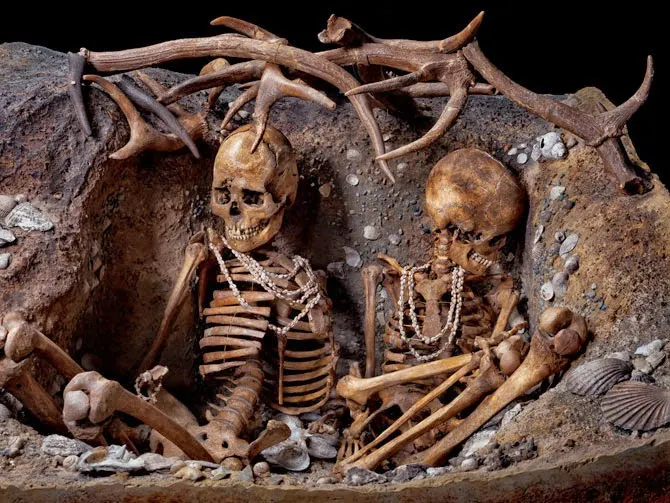
Forensic divers have uncovered skeletal remains in situ, preserved by sediment and mineralization. The so-called “sailor at the helm” of this unidentified wreck could well be more than symbol. Although no definitive identification exists, the possibility of skeletal remains fixed amid ship debris offers compelling data on shipboard catastrophe and death.
In forensic marine archaeology, such finds allow researchers to reconstruct final moments with remarkable accuracy based on bone positioning, tool usage, and surrounding objects. A skull angled toward the horizon or a hand resting on a rusted wheel is not mere poetry—it is evidence preserved by circumstance and chemistry.
Echoes of Human Dreams and Disasters
Every shipwreck holds echoes of the humans who built, sailed, and perished aboard it. Wooden ribs of a vessel mirror human bones—both shaped by ambition, resilience, and eventual decay. The ghostly tableau represents this metaphor perfectly, connecting humanity’s striving spirit with its inevitable frailty.
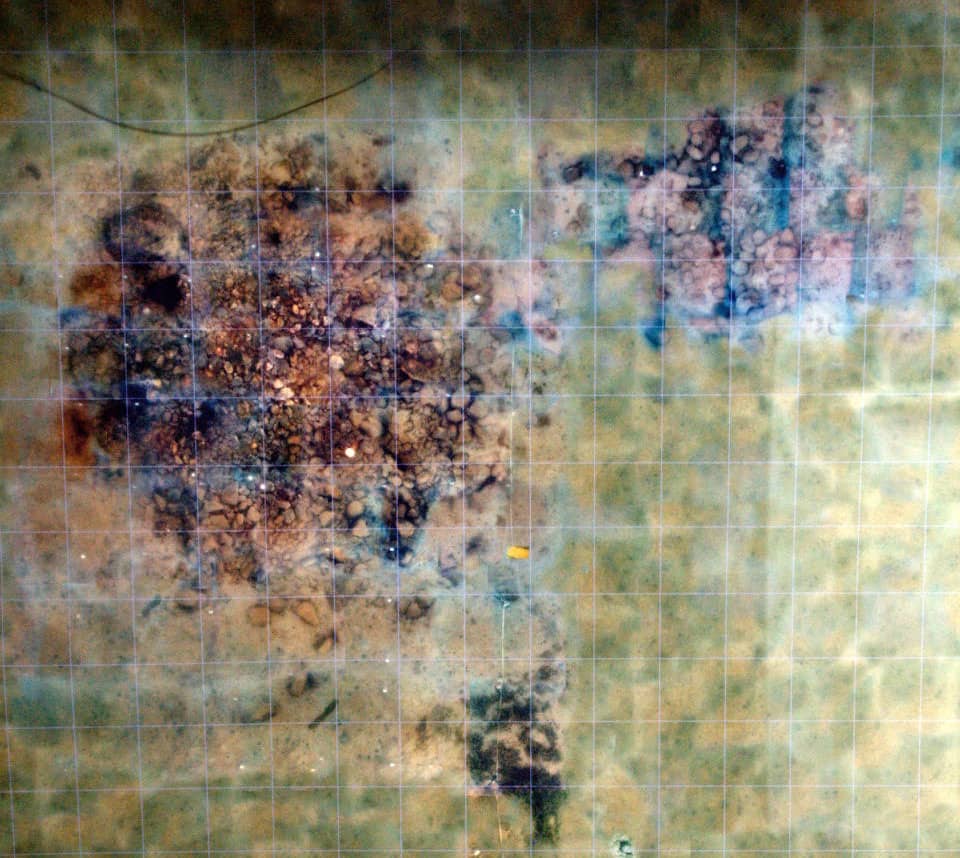
Within the cargo holds, archaeologists often find personal artifacts—porcelain dishes, compasses, navigational charts, even shoes. Each object bridges centuries, transforming distant history into tangible experience. The combination of absence and presence—the skeletal wreck and its spectral helmsman—evokes profound emotion, a visual poem written in salt and silence.
Science Beneath the Surface: The Role of Technology
Modern underwater archaeology increasingly relies on remote-operated vehicles (ROVs), sonar mapping, and photogrammetry to study wrecks without disturbing their fragile balance. These technologies reveal intricate details once inaccessible to divers.
-
Sonar Mapping: Builds three-dimensional models of wreck sites for preservation and virtual exploration.
-
Underwater Photogrammetry: Allows researchers to create lifelike digital reconstructions.
-
DNA and Isotope Analysis: Can identify human remains or even pinpoint a mariner’s geographic origin.
Such innovations not only preserve physical heritage but also reanimate history. The unidentified ghost ship could, one day, yield its name through a fragment of inscription, serial number, or chemical signature.
The Ocean as Memory and Monument
The ocean functions as both grave and guardian. Its depths harbor countless vessels—from Bronze Age merchant ships to ironclad warships—all serving as liquid abodes of memory. Unlike terrestrial ruins, underwater sites remain eerily untouched by modern intrusion, protected by inaccessibility and darkness.
Poets and historians alike have long regarded the sea as a living archive—a place where human endeavor vanishes yet endures. The ghostly tableau exemplifies this paradox: life extinguished, yet meaning preserved. In the delicate stillness of the deep, time slows, and history holds its breath.
The Intersection of Art, Myth, and Science
When such imagery surfaces—whether through photographs, sonar scans, or archaeological reports—it often inspires artistic interpretation. Painters, filmmakers, and writers portray these spectral wrecks as symbols of mortality and memory. The “ghost ship” archetype echoes across cultures, from the Dutch legend of the Flying Dutchman to modern cinematic retellings.
However, the true power of such discoveries lies in their fusion of empirical science and emotional resonance. Archaeology explains the physical story—the wood, the silt, the skeletal helmsman—but art gives it voice, transforming data into narrative. Thus, each wreck lives twice: once in reality, once in imagination.
Environmental Implications: Nature’s Reclamation Continues
Over time, shipwrecks evolve into artificial reefs, nurturing marine ecosystems. The corroded iron and weathered timbers host coral colonies, sponges, and fish species that use the wreck as sanctuary. In this sense, human tragedy becomes ecological rebirth.
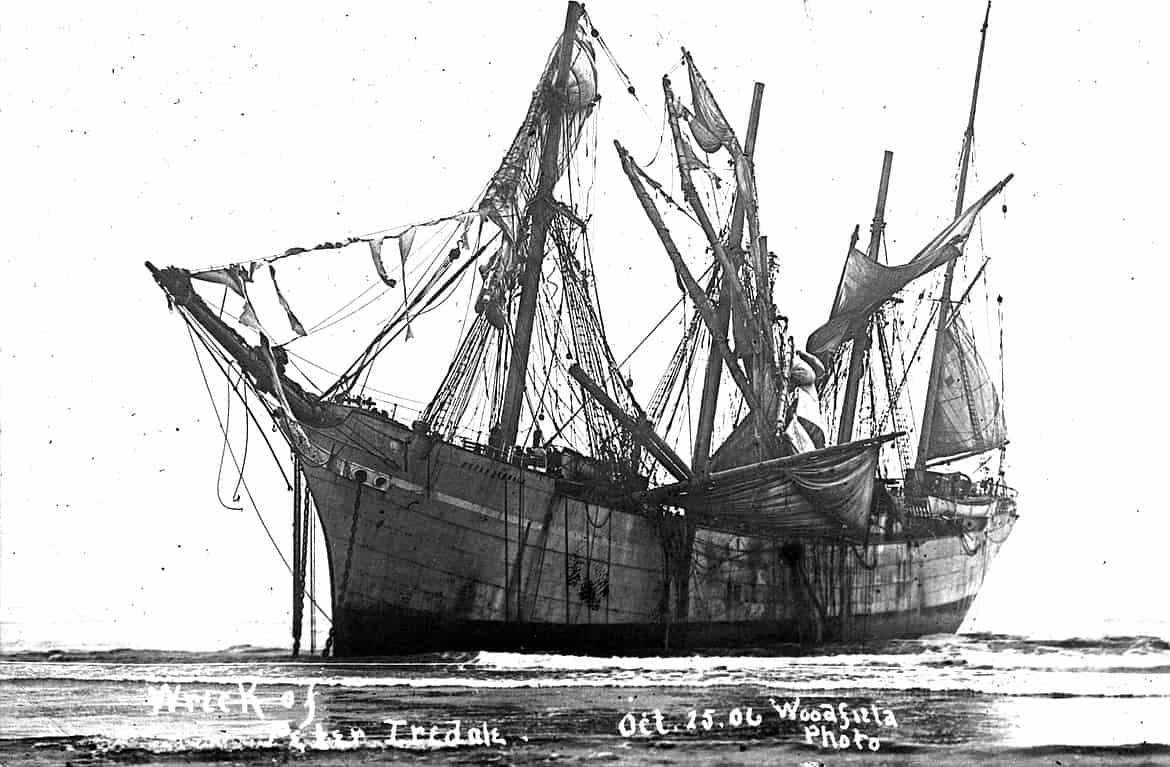
Marine biologists and conservationists now view historical wrecks as both cultural and ecological treasures. They serve not only as gateways to the past but also as living laboratories for observing adaptation, biodiversity, and environmental change.
A Poignant Reminder of Impermanence
The image of a skeletal mariner at his rusted helm, enveloped by darkness and silence, transcends history. It reminds humanity of its impermanence, of how ambition yields eventually to nature’s patience. The ocean’s embrace is neither cruel nor kind—it simply is, fulfilling its ceaseless rhythm of decay and renewal.
This haunting tableau, whether born of myth or discovered through sonar, calls upon viewers to reflect on history’s fragility. It is not merely a relic of nautical disaster but an eternal metaphor for the coexistence of destruction and creation, of memory and oblivion.
ALSO READ: Raigad Fort, Maharashtra – The Pride of the Maratha Empire