A Life Among Ruins: Ed Keall’s 50-Year Journey Into Sasanian Iran
From Classical Studies to Persian Fortresses
In 1962, a 24-year-old Ed Keall journeyed to Iran with little idea that this trip would launch a lifetime of exploration, scholarship, and discovery. What began as an opportunity to work alongside British and American archaeologists quickly evolved into a 50-year archaeological adventure, with a specific focus on a little-studied yet fascinating chapter of Iranian history: the Sasanian Empire.
From ancient castles to fire temples, Keall’s work has shed light on the last great pre-Islamic Persian dynasty, often overlooked in both Western and Middle Eastern academic circles at the time. His deep dive into the Sasanian world—and specifically into the castle of King Yazdigird—has helped revive interest in this powerful, yet underappreciated, period of Iranian heritage.
Falling in Love with Iran’s Landscape and Legacy
Keall’s first visit to Iran left a lasting impression. The dramatic landscapes—deserts, mountains, and ancient ruins—combined with a rich and complex history, seduced the young scholar. As he worked with seasoned archaeologists, he was inspired to shift from Classical studies to Persian archaeology.
The British Institute of Persian Studies, a central hub for foreign scholars in Iran, advised him wisely: to choose a field that was academically neglected. Keall heeded this advice, turning his attention to the Sasanian dynasty—a choice that would define his professional life.
Who Were the Sasanians? A Forgotten Empire
The Sasanians ruled Iran from 224 to 651 AD, a period that followed the collapse of the Parthian Empire and preceded the Islamic conquest of Persia. Despite their importance, the Sasanians were often overshadowed in academic discourse. They weren’t ancient enough for prehistorians, and they didn’t fit comfortably within Islamic studies.
Yet their historical impact was profound. The Sasanians were the chief rivals of the Roman and later Byzantine Empires, often engaging in fierce battles over the control of the Euphrates River corridor. They were central to shaping not only Persian identity, but also the geopolitical landscape of Late Antiquity.
Persian vs. Iranian: Understanding Cultural Identity
One of the key distinctions Keall emphasizes in his work is the difference between the terms ‘Persian’ and ‘Iranian’. “Persian” reflects the Greek name for the land and its people, while ‘Iran’ (from ‘Aryan’) was the name used by the locals themselves.
In the Sasanian worldview, there was a sharp contrast between “Iran” (the civilized world) and “non-Iran” (the outside or hostile world). This duality shaped their politics, religion, and cultural policies.
Zoroastrianism: Faith and Fire in the Sasanian State
A hallmark of Sasanian rule was their official adoption of Zoroastrianism as the state religion, replacing older polytheistic traditions. The Sasanians used religion not only to unify their diverse empire but also to legitimize their divine authority.
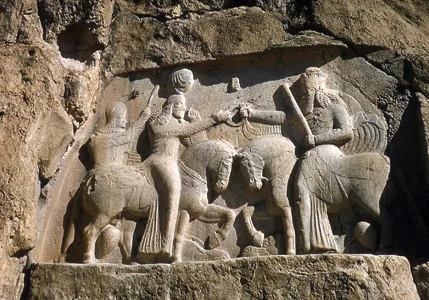
This is immortalized in the famous rock relief near Persepolis, depicting Ardashir I, the first Sasanian king, receiving the royal diadem from the supreme Zoroastrian deity Ahura Mazda. It symbolized divine sanction and the close intertwining of church and state in the Sasanian political theology.
Keall’s later excavations, including fire temples and religious structures, provided valuable evidence of how Zoroastrianism was practiced and institutionalized across the empire.
The Castle of King Yazdigird: A Long-Awaited Excavation
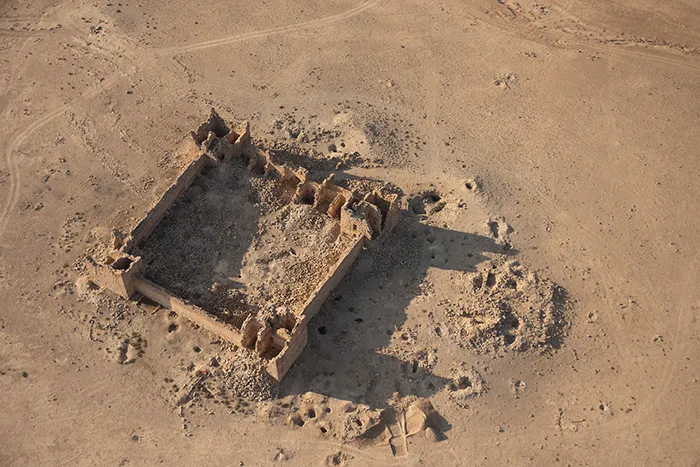
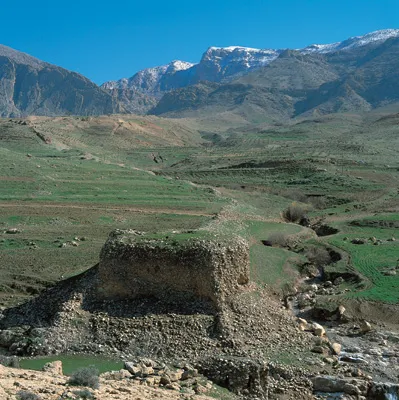
In 1964, Keall came across references to the castle of King Yazdigird III, the last Sasanian ruler. The fortress, steeped in legend and largely unstudied, became the focal point of his research and eventually his excavation work.
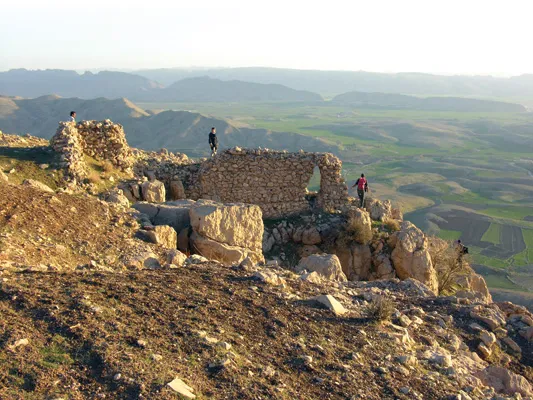
Located in a remote and rugged region, the castle was more than a military outpost. It was a symbol of the dying embers of an empire, standing firm as Arab Islamic forces closed in during the 7th century AD.
Keall’s proposal to investigate the site was approved by the British Institute of Persian Studies, marking the beginning of a multi-decade project that would weave together history, architecture, and cultural memory.
Challenges of Archaeology in Iran
Conducting archaeology in Iran, particularly during the politically volatile late 20th century, posed enormous challenges. Keall had to navigate bureaucratic red tape, difficult terrain, and changing government attitudes toward foreign researchers.
Despite this, he persisted—sometimes conducting surveys with limited resources, other times pausing work due to regional instability. His dedication exemplified a rare scholarly resilience and commitment to cultural heritage.
Modern Relevance: Reviving the Sasanian Narrative
Keall’s long-term focus on the Sasanians has been vital in restoring this dynasty to its rightful place in Iranian and global history. As interest in pre-Islamic Iran grows, his findings continue to inform both academic research and public education.
Moreover, his work has contributed to discussions around Iranian identity, religious tolerance, and cross-cultural diplomacy, drawing connections between ancient history and contemporary geopolitics.
Legacy and Influence: Inspiring a New Generation
Through numerous publications, lectures, and collaborative projects, Ed Keall has mentored a new generation of Iranologists, archaeologists, and historians. His story is not just one of personal achievement, but of opening doors to an often-ignored chapter of the ancient world.
Keall’s career is also a lesson in patience, passion, and the pursuit of overlooked stories. From a single spark in 1962, he built a career that now serves as a model for long-term. Purpose-driven research in difficult yet rewarding environments.
Conclusion: A Lifetime Among Ruins
What began as a youthful adventure turned into a lifetime of archaeological discovery. Ed Keall’s 50-year journey into Sasanian Iran is not merely a tale of digs and dusty ruins. It’s a narrative about bridging cultures, reviving lost histories, and illuminating the richness of Iranian civilization before Islam.
His story reminds us that some of history’s most compelling chapters lie off the beaten academic path—and that sometimes. To understand the future, we must first uncover the forgotten stones of the past.
ALSO READ: The Tomb of Grotte Scalina: Etruscan Mystery with Macedonian Ties