The Eanna-shum-iddina Kudurru: A Babylonian Boundary Stone of the Kassite Period
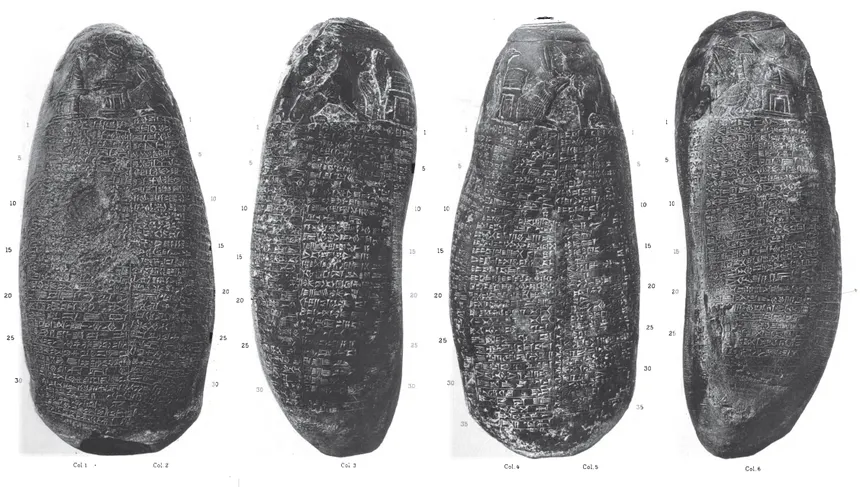
Among the most fascinating artifacts from ancient Mesopotamia is the Eanna-shum-iddina kudurru, a boundary stone created between 1125 and 1100 BCE during the Kassite period of Babylonian history. Commissioned by Eanna-shum-iddina, governor of the Babylonian Sealand Dynasty, this stone functioned as a legal record of land donation, marking ownership, boundaries, and divine witness.
Now preserved in the British Museum, the kudurru is more than a legal contract etched in stone—it is also a work of symbolic art, inscribed with cuneiform writing and decorated with divine imagery. It represents the intersection of law, religion, and governance in the ancient world, shedding light on how Mesopotamian society recorded agreements and invoked the gods to safeguard justice.
What is a Kudurru?
Definition
A kudurru is a type of Babylonian boundary stone, primarily used during the Kassite dynasty (c. 16th–12th centuries BCE). Kudurrus were official documents carved into stone to record land grants, tax exemptions, or royal donations.
Features of Kudurrus
-
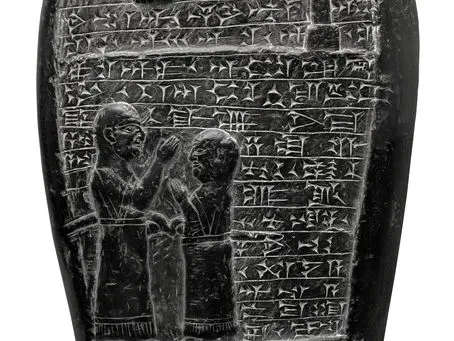
Cuneiform inscriptions detailing the transaction.
-
Symbols of deities representing divine witnesses.
-
Protective curses to deter anyone attempting to alter or challenge the land agreement.
Kudurrus served as both legal contracts and sacred objects, ensuring that human and divine powers upheld the agreement.
Historical Context: The Kassite and Sealand Dynasties
The Kassite Period
The Kassite dynasty ruled Babylon from around 1595 to 1155 BCE. Known for political stability and administrative reforms, the Kassites developed the practice of using kudurrus as legal and symbolic instruments.
The Sealand Dynasty
The Sealand Dynasty governed the marshy Euphrates-Tigris delta in southern Mesopotamia. Eanna-shum-iddina, the commissioner of this kudurru, served as a governor in this region during the late Kassite period. His role highlights the localized governance and regional administration of Babylon’s territories.
The Eanna-shum-iddina Kudurru: Key Details
Purpose
The kudurru records a land donation granted to a man named Gula-eresh. The transaction was certified by an inspector named Amurru-bel-zeri, ensuring legal validity.
Inscriptions
The cuneiform inscriptions carved into the stone detail:
-
The names of the donor and recipient.
-
The boundaries of the land.
-
The conditions of ownership.
-
Legal protections against disputes.
Religious Elements
The kudurru invokes the authority of the gods to guarantee the agreement. Inscriptions include curses directed at anyone who might defy or alter the donation.
Artistic Features and Symbolism
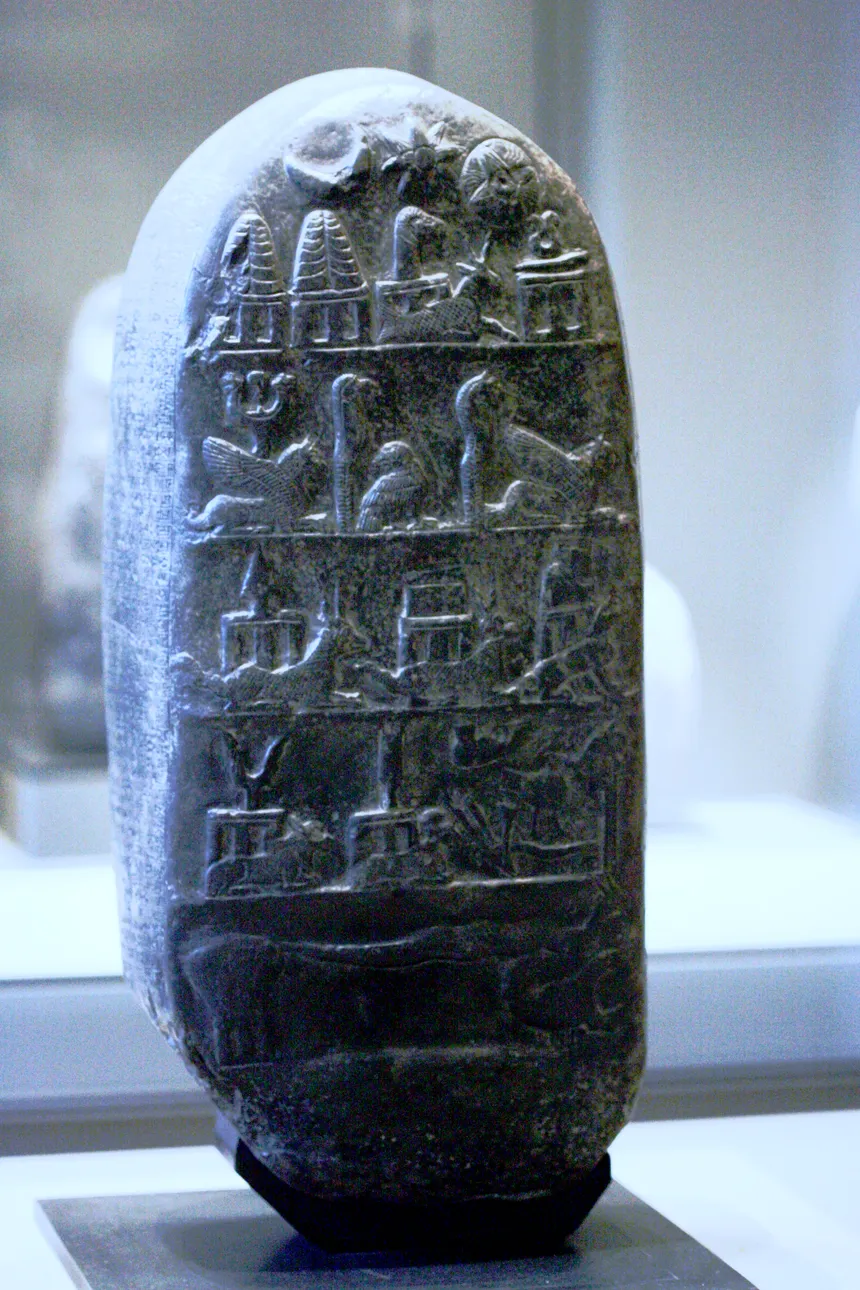
The Eanna-shum-iddina kudurru is not just a legal stone—it is also rich in religious symbolism.
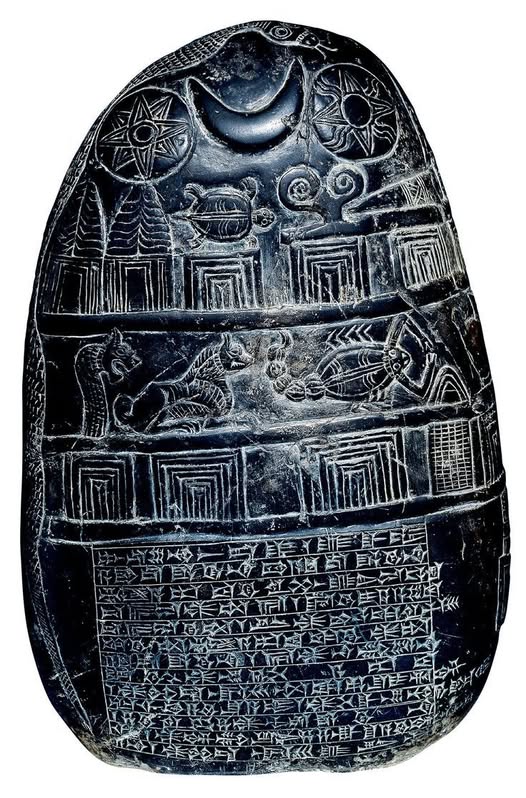
Upper Portion
-
Celestial Symbols: Representations of the moon, sun, and stars reflect divine oversight.
-
Sky signs emphasize cosmic authority and the eternal nature of the agreement.
Middle Portion
-
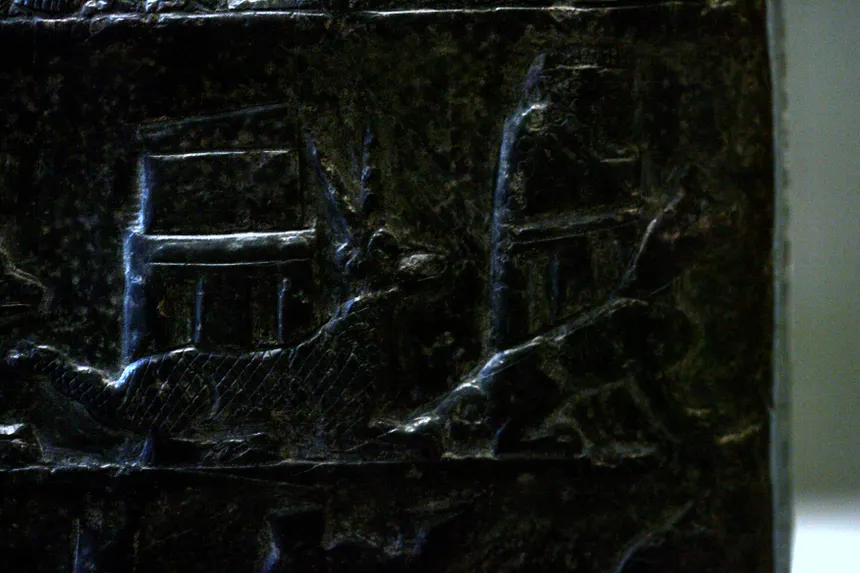
Reliefs of Deities: Carved figures of gods serve as witnesses to the land grant.
-
Each deity’s emblem or symbol—such as animals, celestial icons, or weapons—reinforces their role in upholding law and justice.
Lower Portion
-
The text inscriptions provide the details of the transaction.
-
This balance of image and text mirrors the integration of law and religion in Babylonian society.
Religious Significance of the Kudurru
Kudurrus like the Eanna-shum-iddina stone highlight the inseparability of religion and governance in Mesopotamia.
-
Deities as Witnesses: The gods were invoked as guarantors of legal agreements.
-
Curses for Protection: Any violation of the agreement was believed to bring divine punishment, such as illness, famine, or disaster.
-
Legitimacy Through Faith: By embedding agreements in divine authority, rulers reinforced the sacredness of law.
This practice ensured that agreements were respected across generations, since the gods themselves were considered eternal enforcers.
Legal and Administrative Role
The Eanna-shum-iddina kudurru is an early example of land administration and property law:
-
Ownership Transfer: Official recognition of land donation to Gula-eresh.
-
Inspection and Certification: Amurru-bel-zeri acted as a government inspector, verifying the deal.
-
Public Record: Carving on stone ensured permanence, unlike clay tablets that were more fragile.
Such kudurrus were displayed in temples or kept in administrative archives, serving as public reminders of legal rights.
Discovery and Current Location
The Eanna-shum-iddina kudurru was excavated in Mesopotamia, in the southern regions associated with the Sealand Dynasty. Today, it is housed in the British Museum in London, where it remains a key artifact of Mesopotamian history.
Visitors can see the stone’s inscriptions and symbolic carvings, offering a tangible connection to Babylonian law, religion, and society from over 3,000 years ago.
Why the Eanna-shum-iddina Kudurru Matters
Legal Innovation
The kudurru demonstrates how ancient Mesopotamians formalized legal transactions, influencing later legal traditions in the region.
Cultural Syncretism
It combines law, religion, and art in a single object, illustrating how governance and faith were intertwined.
Archaeological Value
As one of the relatively well-preserved kudurrus, it provides direct insight into the Kassite administration and land ownership practices.
Historical Continuity
The stone connects us to universal human concerns: ownership, law, legitimacy, and the need to secure agreements for future generations.
Comparing Kudurrus Across Mesopotamia
The Eanna-shum-iddina kudurru is part of a larger tradition of boundary stones. Other kudurrus:
-
Recorded royal land donations or tax exemptions.
-
Depicted a wide variety of deities and symbols, such as Enlil, Shamash, and Marduk.
-
Often included curse formulas to prevent tampering.
While each kudurru was unique, they all served the same core function: ensuring legal agreements were sacred, permanent, and indisputable.
The Enduring Legacy
Even millennia later, the kudurrus remain a powerful reminder of Mesopotamia’s achievements in:
-
Law: Formalized property rights and contracts.
-
Religion: Integration of divine authority into governance.
-
Art: Symbolic reliefs that communicated meaning to literate and illiterate alike.
The Eanna-shum-iddina kudurru stands as a bridge between ancient Mesopotamian civilization and the modern world’s enduring reliance on contracts, legal systems, and property rights.
Conclusion
The Eanna-shum-iddina kudurru, created between 1125 and 1100 BCE, is far more than a simple boundary stone. Commissioned by a Babylonian governor and preserved today in the British Museum, it reflects the legal, religious, and artistic achievements of the Kassite era. By recording a land donation and invoking divine authority, it exemplifies how Mesopotamian society safeguarded justice, property, and community order.
This remarkable artifact reminds us that the roots of law and governance stretch deep into human history. Through its inscriptions and divine imagery, the Eanna-shum-iddina kudurru continues to speak across millennia, offering insights into the world’s earliest legal traditions and the people who created them.