Debre Damo Monastery: Ethiopia’s Ancient Cliffside Sanctuary
A Monastery Between Heaven and Earth
In the rugged Tigray region of northern Ethiopia, perched atop a sheer sandstone cliff, lies Debre Damo Monastery—one of the oldest and most legendary Christian monasteries in Africa. Founded in the 6th century CE, this sacred site has been a center of Ethiopian Orthodox spirituality for over 1,400 years.
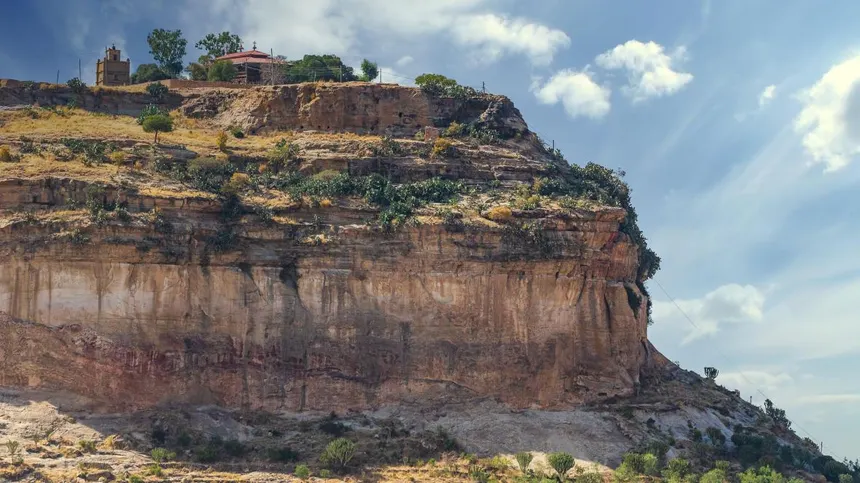
Accessible only by climbing a rope up a 15-meter cliff, Debre Damo is not just a monastery but a symbol of devotion, isolation, and faith. Its ancient stone walls, biblical frescoes, and remote setting make it a place where the earthly and divine seem to meet, suspended between heaven and earth.
The Origins of Debre Damo Monastery
Foundation in the 6th Century
Tradition credits the founding of Debre Damo to Abune Aregawi, one of the Nine Saints who came from the Byzantine world to spread Christianity in Ethiopia. According to legend, Abune Aregawi scaled the cliffs with the help of a giant serpent sent by God, establishing the monastery atop the plateau.
The Nine Saints and Ethiopian Christianity
The Nine Saints played a crucial role in strengthening Christianity in Ethiopia after its official adoption in the 4th century under King Ezana. They introduced monastic traditions, built churches, and translated scriptures into Ge’ez, the liturgical language of the Ethiopian Orthodox Church. Debre Damo became one of their most enduring legacies.
Architecture and Design
A Rock-Hewn Fortress of Faith
Debre Damo sits atop a flat-topped mountain (known locally as an amba) and is surrounded by steep cliffs. This natural fortress provided security from invasions, ensuring the survival of the monastery for centuries.
Ancient Stone and Wood Construction
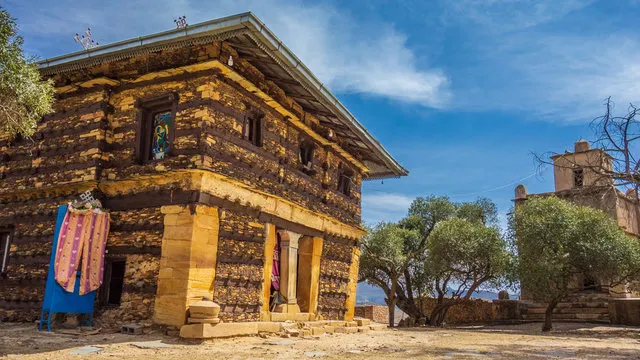
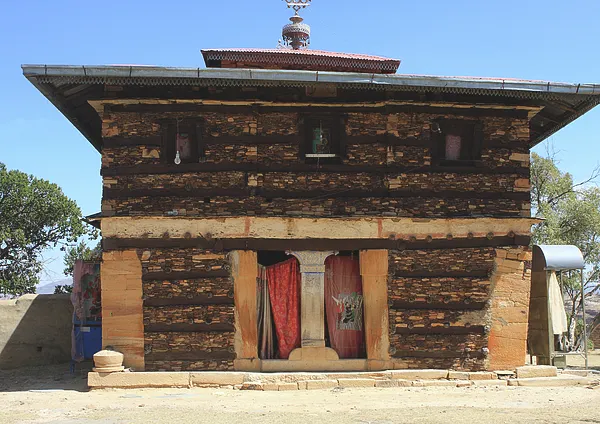
The monastery’s buildings, including the main church of Saint Aregawi, showcase Aksumite architecture, characterized by alternating layers of stone and wood beams (known as monkey-head style). Despite being over a millennium old, these structures remain remarkably intact.
Vibrant Frescoes and Manuscripts
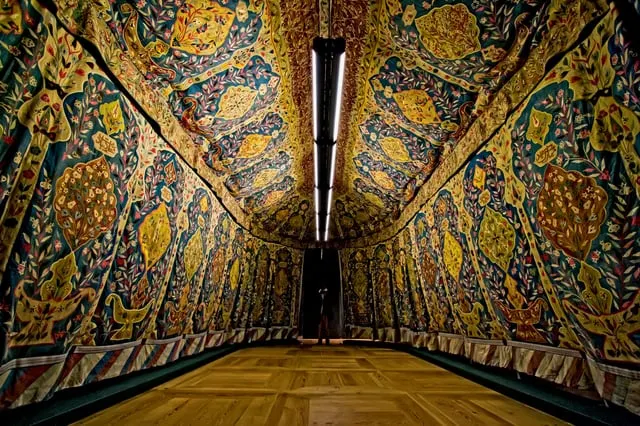
Inside the monastery, colorful frescoes depict biblical stories, saints, and religious symbols. These paintings, though faded by time, still radiate spiritual intensity. The monastery also houses priceless Ge’ez manuscripts, some of which date back centuries, preserving Ethiopia’s early Christian heritage.
The Spiritual Life of Debre Damo
A Monastery for Men Only
Debre Damo remains a male-only monastery. Women are not permitted to enter the site, a tradition rooted in Ethiopian Orthodox monastic practices. Monks dedicate their lives to prayer, scripture study, and the preservation of ancient rituals.
Daily Devotion and Isolation
Life at Debre Damo is defined by simplicity and spiritual discipline. The monks live in seclusion, growing their own food, raising livestock, and maintaining the monastery. Their daily routine centers on communal prayer, chanting, and manuscript preservation.
Pilgrimage and Faith
Despite its inaccessibility, Debre Damo attracts pilgrims from across Ethiopia and beyond. Climbing the rope to reach the monastery is considered an act of faith, symbolizing spiritual ascent and devotion.
Legends and Myths of Debre Damo
The Serpent of Abune Aregawi
The most famous legend tells how God sent a giant serpent to help Abune Aregawi climb the cliffs and establish the monastery. This story highlights the divine protection and miraculous origins associated with Debre Damo.
Sacred Status in Ethiopian Tradition
Debre Damo has long been considered a spiritual stronghold. Local tradition holds that the monastery is a place of divine blessing, where prayers carry special weight and the boundary between heaven and earth is thin.
Debre Damo in Ethiopian History
Aksumite and Medieval Influence
Debre Damo rose during the Aksumite period, when Ethiopia was a powerful Christian kingdom engaged in trade and cultural exchange with the Byzantine Empire. Over the centuries, it remained a key spiritual and cultural center, influencing monastic life across Ethiopia.
Survival Through Turmoil
Its cliffside location helped Debre Damo survive periods of conflict, including Islamic incursions and regional wars. While other churches were destroyed or abandoned, Debre Damo’s isolation safeguarded its treasures and traditions.
Cultural and Religious Significance
A Symbol of Ethiopian Orthodoxy
Debre Damo embodies the resilience of the Ethiopian Orthodox Tewahedo Church, one of the world’s oldest Christian traditions. It represents both the endurance of faith and Ethiopia’s unique Christian heritage, which developed independently from much of the Christian world.
UNESCO Tentative List
Although not yet a UNESCO World Heritage Site, Debre Damo is listed on Ethiopia’s tentative UNESCO list due to its outstanding historical, architectural, and spiritual value. Its preservation is seen as vital for understanding early African Christianity.
Visiting Debre Damo Today
Location and Access
Debre Damo lies in the Tigray region, about 80 kilometers from Axum, the ancient capital of Ethiopia. The final approach requires scaling the cliffside with the help of a leather rope—an experience both thrilling and daunting.
What Visitors Experience
Those who reach the summit are rewarded with breathtaking views, serene courtyards, and the chance to see ancient frescoes and manuscripts. The experience combines natural beauty, historical wonder, and spiritual awe.
Practical Considerations
-
Only men are allowed to enter the monastery.
-
The rope climb requires physical effort and courage.
-
Visitors are advised to travel with local guides for safety and cultural context.
Fun Facts About Debre Damo
-
Tradition says the monastery has one of the oldest continuously operating libraries in Africa.
-
Its construction style links it directly to Aksumite royal palaces, making it an architectural gem.
-
Monks traditionally weave the climbing rope from leather strips of cows or goats.
-
Pilgrims believe that climbing the rope not only brings them closer to the monastery but also spiritually closer to God.
-
Despite its isolation, Debre Damo has remained continuously inhabited by monks for over 1,400 years.
Why Debre Damo Matters
Debre Damo is not just a monastery; it is a living testimony to Ethiopia’s spiritual resilience. Its rock-hewn structures, frescoes, and manuscripts embody centuries of Christian devotion. Its legends connect faith with mythology, while its isolation highlights the lengths to which believers have gone to preserve their traditions.
For Ethiopia and the world, Debre Damo stands as a reminder that faith, history, and culture can endure against time and hardship, balanced delicately on the edge of a cliff.
Conclusion: A Sacred Sentinel in the Cliffs
Perched high above the Tigray plains, Debre Damo Monastery is more than a historical site—it is a symbol of Ethiopia’s Christian soul. Its 6th-century origins, cliffside isolation, and artistic treasures make it one of Africa’s most extraordinary sacred places.
To climb the rope of Debre Damo is to journey through faith and time, where human devotion meets the raw power of nature. Suspended between earth and sky, Debre Damo continues to watch over Ethiopia as a timeless sanctuary of prayer, legend, and resilience.
ALSO READ: Volubilis: The Ancient Roman City in Morocco