The Timeless Mystery of the Circular Ksar of Draa in Algeria
A Fortress in the Sands
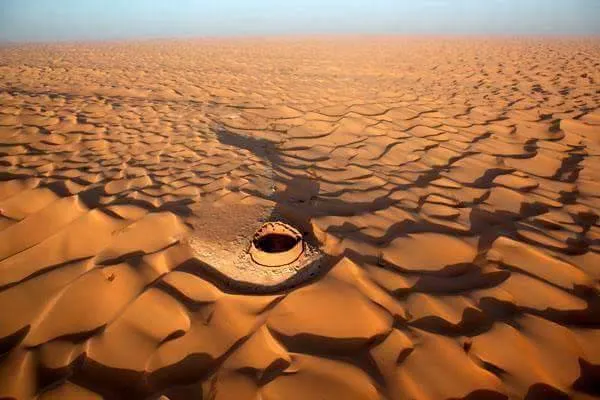
Amid the sweeping sands of the Sahara Desert, near the oasis town of Timimoun in Algeria, rises a structure unlike any other—the Circular Ksar of Draa. This architectural marvel, believed to date back to around the year 1000, is a fortified complex whose purpose continues to puzzle historians, archaeologists, and travelers alike.
Unlike the rectangular or square layouts typical of North African fortresses, the Ksar of Draa is striking for its circular design, a rare feature in Saharan architecture. Enclosed by a two-meter-high defensive wall with a single northern entrance, the complex houses stacked chambers spread across three levels. Constructed with stone, mudbrick, and palm wood, it has withstood centuries of desert winds and shifting sands, enduring as a timeless mystery in one of the harshest environments on Earth.
What Is a Ksar?
Before exploring the uniqueness of the Ksar of Draa, it’s important to understand the concept of a ksar.
-
A ksar (plural: ksour) is a fortified village or complex found across North Africa, particularly in Algeria, Morocco, and Tunisia.
-
Traditionally, ksour served as community strongholds, protecting inhabitants from raids while providing storage for grain, trade goods, and valuables.
-
Most ksour are rectangular in shape, with defensive towers, communal granaries, and narrow passageways.
The Circular Ksar of Draa breaks away from this architectural norm, making it one of the most unusual examples of its kind.
The Unique Design of the Circular Ksar of Draa
The Ksar of Draa stands out for several defining characteristics:
-
Circular Layout: Unlike the straight lines of most fortresses, this ksar follows a rounded form, symbolizing unity, protection, or possibly astronomical alignment.
-
Defensive Walls: The two-meter-high outer wall is punctuated by only one entry point on the northern side, suggesting tight control over access.
-
Stacked Chambers: Small, isolated rooms are arranged across three levels, possibly used for storage, housing, or ritual purposes.
-
Building Materials: Locally sourced stone, sun-dried mudbrick, and palm wood beams were used, reflecting both practicality and adaptation to desert conditions.
Its circular construction challenges conventional Saharan architectural logic, suggesting a deeper symbolic or strategic meaning behind its design.
Theories About Its Purpose
The true function of the Circular Ksar of Draa remains debated. Over the centuries, several theories have emerged:
1. A Caravanserai
Some scholars believe it was a caravanserai, a fortified inn where desert travelers and camel caravans could rest, store goods, and seek protection. The Sahara was crisscrossed by trade routes connecting West Africa to the Mediterranean, making Timimoun a strategic stop.
2. A Sanctuary During the Tuat War
Another theory suggests it served as a refuge for Jews fleeing persecution during the Tuat War in the 15th century. The Tuat region of Algeria was a hub for trade and scholarship, and the conflict displaced many Jewish communities, who may have sought safety in isolated fortresses like Draa.
3. A Religious or Ritual Site
The unusual circular shape and compartmentalized rooms have led some to speculate that the ksar may have had ritual or spiritual significance. It could have been a sanctuary, a place of worship, or even an astronomical observatory.
4. A Military Outpost
Given its fortified structure and elevated position, it might also have been a military watchpost, designed to control nearby trade routes and monitor movement across the desert.
Historical Context: The Sahara Around the Year 1000
To understand the Ksar of Draa, one must consider the Sahara’s historical backdrop during the early medieval period:
-
Trade Networks: By the 10th century, trans-Saharan routes were flourishing, connecting gold-rich West Africa to North Africa and the Middle East.
-
Religious Shifts: Islam was spreading rapidly, reshaping cultural and political life across North Africa.
-
Conflict and Migration: Groups fleeing war, drought, or persecution often built fortified settlements to ensure survival in the harsh desert.
In this context, the construction of a circular ksar may have been both practical and symbolic, serving as a statement of resilience against both nature and human threats.

Symbolism of the Circle
The circular form of the Ksar of Draa continues to intrigue researchers. Across cultures, the circle represents:
-
Unity and Community: A protective embrace around inhabitants.
-
Spiritual Wholeness: Possibly reflecting cosmological or religious beliefs.
-
Defense: A circular wall eliminates vulnerable corners, making defense easier.
Whether intentional or coincidental, the circular shape adds to the structure’s aura of mystery.
Construction Techniques and Craftsmanship
Despite limited tools and harsh conditions, the builders of the Ksar of Draa achieved remarkable results:
-
Stone Foundations: Ensured durability against erosion.
-
Mudbrick Walls: Provided insulation from extreme desert temperatures.
-
Palm Wood Beams: Used for roofing, taking advantage of the oasis environment.
-
Layered Chambers: Maximized space within limited circular walls.
This blend of materials demonstrates both local ingenuity and a deep understanding of desert survival architecture.
The Ksar of Draa in Modern Times
Today, the Circular Ksar of Draa stands partly in ruins, yet it continues to attract researchers, photographers, and adventurous travelers drawn to its enigmatic presence.
-
Tourism: Timimoun is known as the “Red Oasis” for its stunning desert landscapes, and the ksar adds a historical layer to its appeal.
-
Cultural Heritage: It symbolizes Algeria’s rich, diverse history, linking ancient trade, migration, and craftsmanship.
-
Preservation Challenges: Harsh desert winds, sand erosion, and neglect threaten the structure’s survival, raising questions about conservation.
Comparisons with Other Circular Structures
While rare, circular fortified designs are not entirely unique worldwide. Parallels include:
-
Round Towers in Ireland: Early medieval defensive towers.
-
Native American Kivas: Circular ritual spaces in the American Southwest.
-
African Stone Circles: Found in West Africa, possibly linked to spiritual or astronomical purposes.
These comparisons suggest that circular design often carried symbolic or ritual significance beyond mere practicality.
The Ongoing Mystery
Despite centuries of speculation, the Ksar of Draa’s true origins remain unknown. No definitive inscriptions or documents have been found to explain its purpose. This absence of clear historical records only deepens its allure, leaving room for imagination and interpretation.
Was it a sanctuary, fortress, caravan stop, or spiritual center? Perhaps it was all of these at different points in history.
Conclusion: A Timeless Enigma in the Sahara
The Circular Ksar of Draa near Timimoun, Algeria, stands as a remarkable blend of architectural ingenuity, cultural mystery, and desert resilience. Built around the year 1000 with stone, mudbrick, and palm wood, it endures as one of the Sahara’s most enigmatic structures.
Whether a caravanserai for weary travelers, a refuge during conflict, or a spiritual sanctuary, the ksar reflects the adaptability and creativity of those who once called the Sahara home.
Its rare circular design continues to puzzle historians and inspire wonder among visitors. And as it weathers the timeless sands of the desert, the Ksar of Draa remains a silent guardian of secrets we may never fully uncover.
ALSO READ: Motswedi: World’s Second-Largest Diamond Discovered in Botswana Awaits Pricing