Chullpa Towers: Ancient Funerary Monuments of the Andes
High in the windswept plains of Peru and Bolivia, mysterious stone towers rise against the sky. These cylindrical or square structures, known as chullpas, are ancient funerary monuments built by pre-Inca civilizations, including the Colla people, between the 13th and 15th centuries CE.
More than simple tombs, chullpas reflect the deep Andean tradition of ancestor worship, social hierarchy, and advanced stone masonry long before the rise of the Inca Empire. Their presence across the altiplano offers a fascinating glimpse into the ways pre-Columbian societies honored the dead and connected with the spiritual world.
Origins of the Chullpa
The Colla people, who lived around Lake Titicaca in present-day Peru and Bolivia, are most strongly associated with the construction of chullpas. While the exact origin of the tradition is debated, archaeologists believe the practice emerged in the late pre-Inca period, influenced by earlier Andean burial practices.
By the time of the Inca expansion in the 15th century, the construction of chullpas had spread widely across the highlands, suggesting that the Inca both adopted and adapted the practice into their own rituals.
Purpose and Cultural Significance
Chullpas were not ordinary graves—they were reserved for noble families, chiefs, and community leaders. Their elevated, monumental form symbolized prestige and spiritual authority.
The Andean worldview placed great importance on ancestor worship. Deceased leaders were believed to maintain a powerful connection with the living, guiding communities, ensuring agricultural fertility, and protecting families. Housing these remains in prominent towers made them accessible for ritual offerings and ceremonies.
Inside many chullpas, archaeologists have found:
-
Mummified remains of elites, often wrapped in textiles.
-
Offerings such as ceramics, food, tools, and jewelry.
-
Artifacts that reveal daily life and spiritual beliefs.
These discoveries confirm that chullpas were not merely tombs, but active centers of ancestral veneration.
Construction and Masonry Techniques
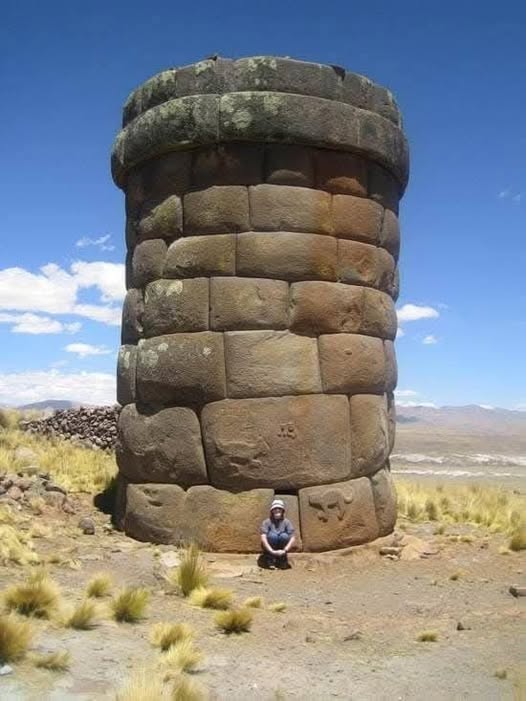
One of the most remarkable features of chullpas is their construction. They vary in style depending on the region and period, but most are cylindrical or rectangular stone towers that rise several meters high.
Key construction features include:
-
Stone masonry – Large, finely cut blocks fitted together with precision, often without mortar.
-
Tapering walls – Wider at the base and narrowing toward the top for stability.
-
Single small entrance – Usually facing east, toward the sunrise, symbolizing rebirth.
-
Interior chambers – Containing niches or benches to hold mummified remains and offerings.
The skill required to quarry, transport, and shape the massive stone blocks demonstrates the advanced engineering knowledge of pre-Inca societies, rivaling even later Inca stonework.
Symbolism of Orientation and Design
The orientation of chullpas often carried spiritual meaning. Entrances facing east connected to the Andean cosmology of renewal and life cycles, with the rising sun symbolizing rebirth.
Their towering form also had symbolic power, dominating the surrounding landscape and serving as a constant reminder of the deceased’s authority and presence within the community.
Some scholars suggest the cylindrical design itself may have been linked to fertility and the cyclical nature of life and death, echoing broader Andean spiritual beliefs.
Archaeological Discoveries
Excavations in chullpa sites across Peru and Bolivia have revealed extraordinary insights into Andean funerary practices. Notable finds include:
-
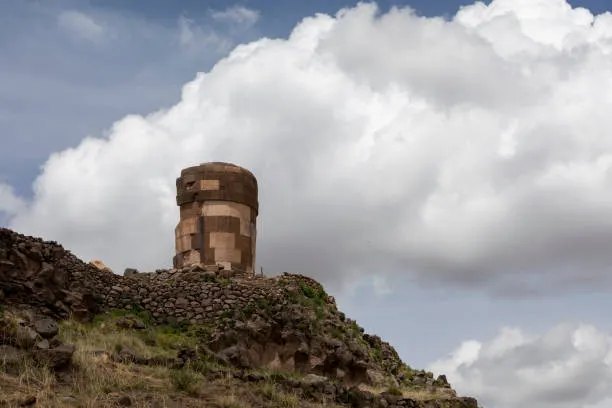
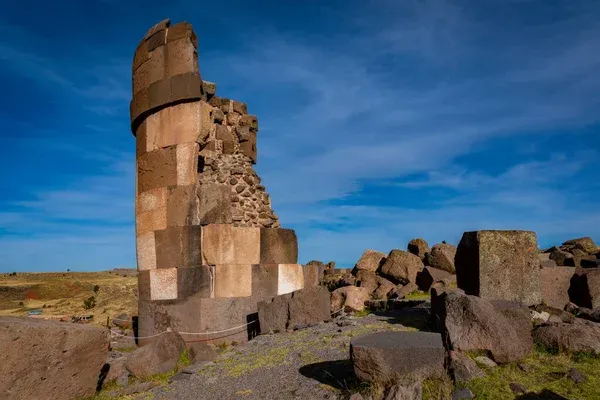
Sillustani (Peru): Perhaps the most famous site, featuring dozens of well-preserved chullpas near Lake Umayo. Some stand over 12 meters tall, with smooth, precisely cut stonework rivaling Inca architecture.
-
Cutimbo (Peru): Another major site with both pre-Inca and Inca-period chullpas, showing how the tradition was adopted and expanded by different cultures.
-
Various Bolivian sites: Smaller chullpas scattered across the altiplano, reflecting local variations in style and construction.
Inside these towers, researchers have found mummies in seated positions, wrapped in fine textiles, often accompanied by food offerings to sustain them in the afterlife. Such discoveries highlight the blend of spiritual belief and social hierarchy embodied in these structures.
Chullpas and the Inca Empire
When the Inca expanded into Colla territories in the 15th century, they encountered the tradition of chullpa construction. Rather than eradicating it, the Inca integrated and adapted it into their own system of ancestor worship.
In some regions, the Inca even built their own chullpas, blending local traditions with their distinctive architectural style. This cultural adoption demonstrates the Inca’s strategy of incorporating regional customs into their empire, strengthening political control while respecting local beliefs.
Decline and Transformation
After the Spanish conquest of the Andes in the 16th century, indigenous religious practices—including ancestor worship—were actively suppressed. The Catholic Church viewed veneration of the dead as pagan and sought to replace it with Christian burial practices.
As a result, many chullpas were abandoned, looted, or destroyed. Over time, their original meaning was partially forgotten, though they remained part of local folklore and identity.
Today, these towers stand as silent witnesses to the cultural resilience of the Andean people and their spiritual connection to the land and ancestors.
Preservation and Cultural Heritage
Modern archaeologists and local communities work together to preserve chullpas as important cultural heritage sites. At places like Sillustani, tourism supports both research and conservation efforts, allowing visitors to experience the grandeur of these monuments firsthand.
Chullpas are also recognized as powerful symbols of indigenous identity. They connect modern Andean communities with their ancestral past. Reinforcing traditions of respect for the dead and reverence for the natural world.
Why Chullpas Fascinate Us Today
The fascination with chullpas lies in their ability to bridge past and present. They embody:
-
Engineering ingenuity – Advanced masonry long before modern tools.
-
Spiritual depth – Expressions of ancestor worship and cosmic belief systems.
-
Cultural continuity – Practices later adopted by the Inca and remembered today.
-
Mystery and majesty – Towers that dominate the high-altitude landscape, evoking awe.
For historians, archaeologists, and travelers, chullpas offer a rare glimpse into the worldview of pre-Inca societies and their enduring legacy in Andean culture.
Conclusion
The chullpa towers of Peru and Bolivia are far more than ancient tombs. They are monuments to leadership, spirituality, and community, standing as enduring testaments to the cultural sophistication of pre-Inca civilizations like the Colla people.
Through their precise construction, symbolic design, and connection to ancestor worship, chullpas reveal how Andean societies understood life, death, and the cosmos. Though centuries have passed since their construction. These towers continue to inspire wonder, reminding us that history is written not only in empires and conquests. But also in the sacred stones of the highlands.
ALSO READ: Wooden Shoes with Cloven Hooves: A Curious Trick of American Outlaws