Choctaw Bear Paw Moccasins: Deception and Survival in the 18th Century
Ingenious Footwear of the Choctaw
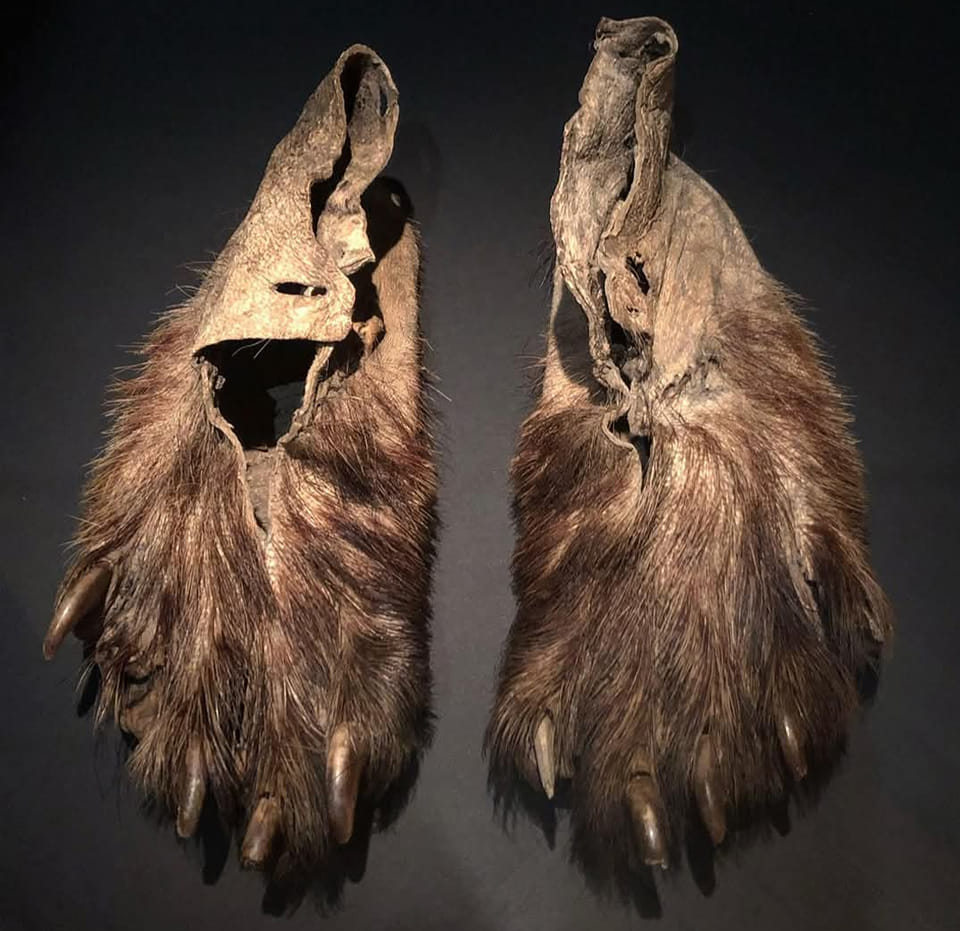
The history of Native American tribes across North America is rich with creativity, adaptation, and innovation. Among the most fascinating artifacts are the bear paw moccasins of the Choctaw people, crafted in the 18th century. Far from being simple footwear, these moccasins were tools of deception and survival. Designed to leave behind animal tracks instead of human footprints, they allowed warriors and hunters to move undetected across the Mississippi Valley. Today, one of these rare pairs is preserved at the Bibliothèque municipale de Versailles in France, offering an extraordinary glimpse into Choctaw ingenuity and resilience.
The Choctaw: People of the Mississippi Valley
The Choctaw are one of the major Native American tribes originally inhabiting the Mississippi Valley, covering regions that are now Mississippi, Alabama, and Louisiana. Known for their advanced agricultural practices, distinct mound-building traditions, and deep spiritual beliefs, the Choctaw developed strategies to adapt and thrive in a region filled with forests, rivers, and fertile lands.
The 18th century was a period of immense upheaval for the Choctaw. With the arrival of Europeans and their expansion into tribal territories, conflicts over resources, trade alliances, and territorial defense intensified. The bear paw moccasins must be understood within this broader context of adaptation and resistance.
The Design of Bear Paw Moccasins
Unlike ordinary moccasins, which were soft leather shoes designed for comfort and durability, the bear paw moccasins were created with a unique strategic purpose: concealment.
Features of the Moccasins
-
Animal-Print Soles: The bottoms of the moccasins were crafted to resemble the distinctive tracks of a bear. When worn, they imprinted bear paw patterns into the earth, masking the human presence.
-
Leather Construction: Made from tanned animal hides, they maintained the durability and flexibility of traditional moccasins.
-
Functional Camouflage: Because bears were common in the Mississippi Valley, seeing their tracks would not raise alarm. The deception was subtle, blending seamlessly with the natural environment.
These moccasins transformed the landscape itself into a form of camouflage, allowing wearers to become nearly invisible to enemies who relied on tracking footprints.
Deception in Warfare and Hunting
The Choctaw bear paw moccasins were more than clever footwear—they were a survival strategy.
In Warfare
During the 18th century, tribal conflicts were frequent, and European colonial rivalries often drew Native groups into broader geopolitical struggles. In this environment, the ability to deceive enemies could mean the difference between life and death. By leaving behind bear tracks, Choctaw warriors could:
-
Evade pursuit by rival tribes or colonial enemies.
-
Launch surprise attacks while concealing their approach.
-
Protect vulnerable villages by leading enemies astray.
In Hunting
Beyond warfare, hunters also likely benefited from this clever invention. Animal tracks were part of the landscape, and disguising human movements as bear prints may have helped hunters move closer to prey without alarming them.
Symbolism of the Bear
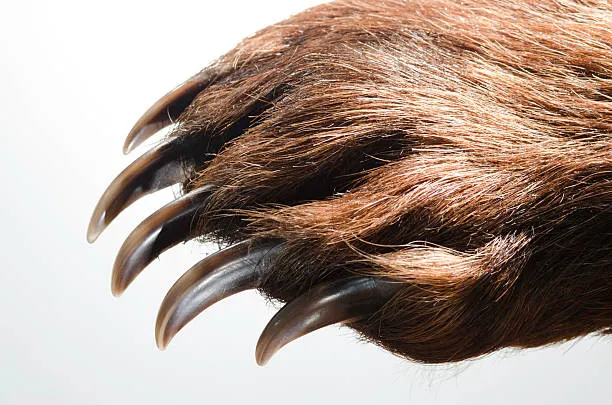
The bear holds powerful symbolic meaning in many Native American cultures, including the Choctaw. It represents strength, courage, and resilience, qualities highly valued by warriors and hunters. By wearing bear paw moccasins, Choctaw individuals not only disguised their movements but may also have drawn upon the spiritual attributes of the bear for protection and empowerment.
Historical Context: The 18th Century Choctaw
The 1700s were a transformative time for the Choctaw. They were active participants in trade with the French, British, and later Americans, exchanging furs, deerskins, and other goods. At the same time, they faced mounting pressure from colonial encroachment.
-
Alliances: The Choctaw often allied with the French against the English and their Native allies.
-
Conflict: Tensions with neighboring tribes like the Chickasaw sometimes erupted into warfare.
-
Adaptation: Tools like the bear paw moccasins reflect how the Choctaw adapted their traditions to confront these challenges.
In this way, the moccasins can be seen as both a technological innovation and a cultural response to the pressures of colonial expansion.
Preservation of the Moccasins in France
It may surprise many to learn that the bear paw moccasins are not housed in the United States but in France. This reflects the deep ties between the Choctaw and the French during the colonial period. Artifacts, whether acquired through trade, diplomacy, or collection, often found their way into European museums and libraries.
Today, the Bibliothèque municipale de Versailles preserves these moccasins, ensuring they remain part of the global heritage of human creativity and survival. They stand not only as an ethnographic artifact but also as a reminder of the resilience and ingenuity of the Choctaw people.
Cultural Legacy and Interpretation
The bear paw moccasins are not just historical curiosities; they symbolize broader themes of human adaptation.
Lessons from the Moccasins
-
Ingenuity in Adversity: The Choctaw responded to threats with creativity, developing practical solutions rooted in their environment.
-
Blending Nature and Culture: The use of animal prints shows how Native peoples integrated natural knowledge into cultural innovation.
-
Survival and Identity: These moccasins highlight how identity, strategy, and survival were interwoven in Native life.
The Choctaw Today
The Choctaw Nation remains a vibrant and resilient community. Today, the largest groups are the Choctaw Nation of Oklahoma, the Mississippi Band of Choctaw Indians, and the Jena Band of Choctaw Indians. Preserving stories of artifacts like the bear paw moccasins ensures that their history is not forgotten but continues to inspire new generations.
Conclusion: Footsteps of Ingenuity
The Choctaw bear paw moccasins are much more than footwear. They represent a fusion of craftsmanship, tactical brilliance, and cultural symbolism. In the forests and valleys of the Mississippi region, these moccasins once helped Choctaw people outwit enemies, hunt successfully, and embody the strength of the bear.
Today, preserved in France, they remind us that innovation is timeless—and that the human drive for survival often inspires the most extraordinary creativity.