Chichén Itzá Tourism: Magic, Mayhem, and the Lost Legacy of the Maya
The Lure of Chichén Itzá
Chichén Itzá, one of the New Seven Wonders of the World, attracts millions of visitors each year. Nestled in the Yucatán Peninsula of Mexico, this ancient Maya city offers more than just ruins—it promises a journey through time, wrapped in ritual, mystery, and monumental architecture. Yet for all its splendor, Chichén Itzá tourism today is caught in a paradox: a battle between preserving cultural heritage and accommodating mass tourism driven by globalization.
Mayaland Hotel: A Sanctuary Amidst the Chaos
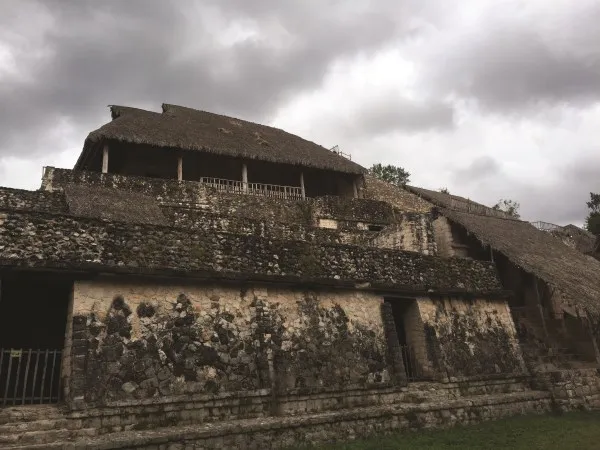
At the edge of the bustling archaeological zone lies Mayaland Hotel, a peaceful oasis that stands as a testament to early archaeological efforts. Established in the wake of the Carnegie expeditions led by Sylvanus Griswold Morley (1883-1948), this hotel offers not just comfort, but a tangible connection to the past.
The hotel’s architecture is steeped in Maya heritage. Its design aligns with the Classic period Observatory, echoing the reverence the ancient Maya had for the cosmos. High-pitched thatched cottages dot the tamed jungle grounds, offering guests a serene space where orioles sing and parrots squawk in the canopies. Here, sipping a margarita before dinner feels like stepping into a dream—a moment of civility far from the bustling crowds of Cancun.
The Harsh Reality of Ticketing and Access
Yet even this paradise is not immune to the bureaucratic tangle of Chichén Itzá tourism. Entry into the site requires two separate tickets, one federal and one regional, purchased at different counters. This inefficient system often leaves independent travelers frustrated, especially when they realize that tour groups from resorts have streamlined access, possibly facilitated through questionable practices.
Despite the hassle, once inside, visitors are met with the majestic ruins of a once-thriving civilization.
Globalisation’s Impact: Commerce Over Culture
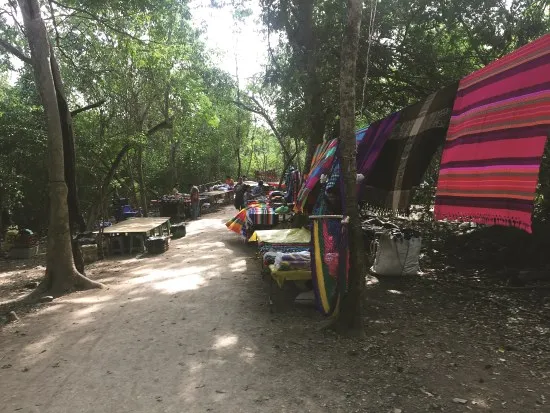
The magic of the site is quickly diluted by the onslaught of commercialism. Jungle paths resound with artificial jaguar roars—souvenirs mimicking nature’s sounds—and the calls of vendors selling trinkets for “only one dollar.” The site feels more like an open-air market than a sacred space, echoing the globalisation-fueled tourism that has overwhelmed many heritage sites worldwide.
The result? A pastiche of Maya culture that prioritizes tourist sales over authentic experience. Costumed performers, mass-produced goods, and minimal informational signage have turned a spiritual landscape into a theme park of the past, reducing the profound achievements of the Maya to background scenery for selfies.
Chichén Itzá’s Monuments: Awe and Restoration Controversy
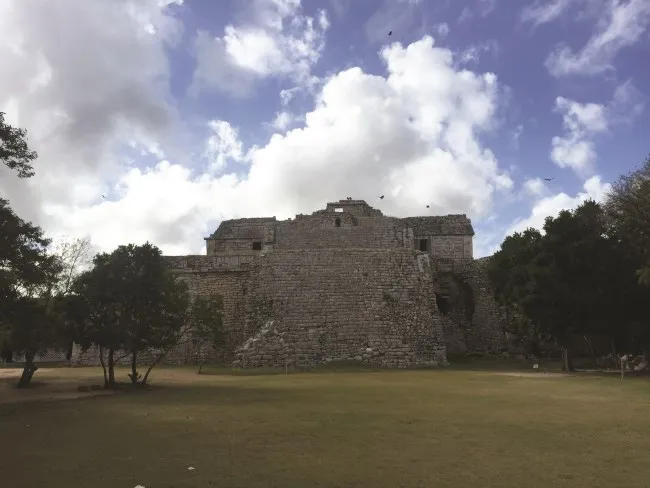
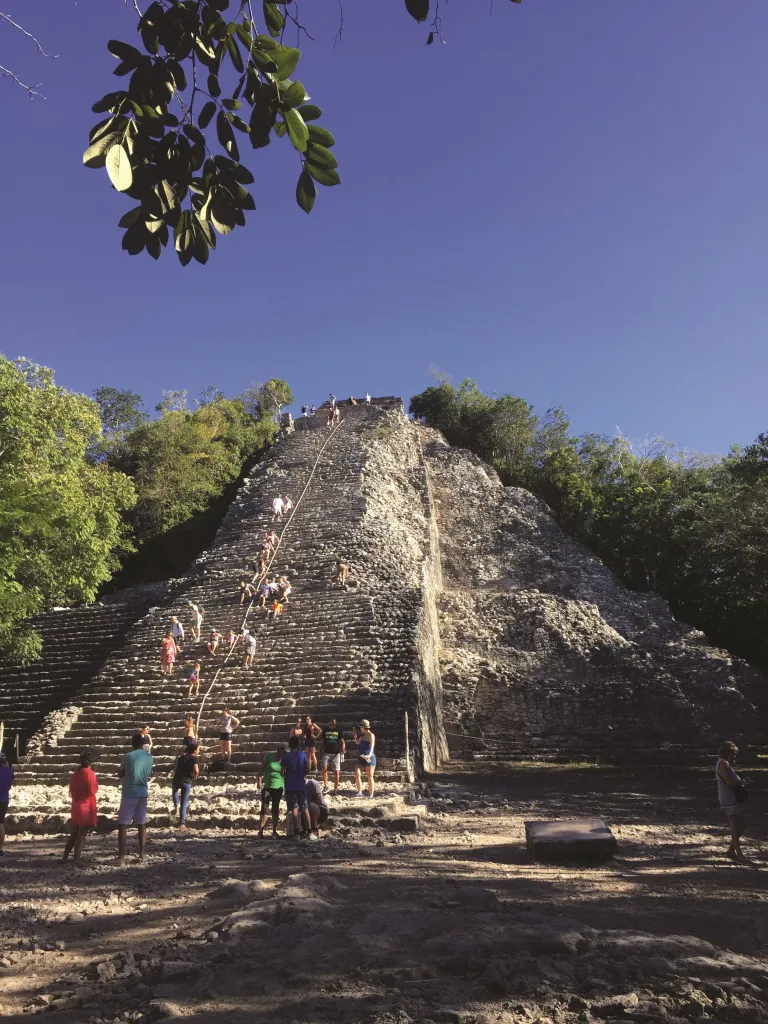
Despite these distractions, Chichén Itzá remains a stupendous archaeological site. The towering El Castillo (Temple of Kukulcan), dominating the main plaza, rivals the Colosseum or Eiffel Tower in global recognition. However, close inspection reveals heavy restoration work, raising concerns about authenticity and UNESCO preservation standards.
Nearby, the massive ball court, sanctuaries adorned with moulded reliefs, and the intricately layered ‘Nunnery’ complex in the southern sector showcase the architectural and ritualistic prowess of the Maya. It is in these quieter, less-visited areas that the true story of the Maya civilization begins to unfold—a tale of power, ritual, drought, and decline.
Scientific Insights: Climate Change and Collapse
Recent research, including a 2016 study in Global and Planetary Change. Suggests that severe droughts, evidenced through ice core data, may have played a critical role in the Maya collapse. This scientific perspective adds layers to the archaeological narrative. Showing that environmental challenges—not just Spanish conquest—shaped the destiny of these ancient people.
Cultural Erosion: The Lost Voice of the Maya
Perhaps the most troubling aspect of modern Chichén Itzá tourism is the absence of contemporary Maya culture. The vibrant traditions of the descendants of these builders are nowhere to be seen. Instead, visitors are fed mythologized versions of Maya knowledge, especially their supposed mastery of astronomy and astrology. Often oversimplified by tour guides catering to commercial interests.
Mammon vs. Meaning: The Need for Better Management
In many ways, Chichén Itzá has been lost to Mammon. A term symbolizing the prioritization of wealth over spiritual or cultural value. The management of the site, rather than educating and inspiring, seems to have capitulated to the demands of mass tourism.
There is no climbing of pyramids, scant signage, and little opportunity for meaningful engagement with the past. The stones do not speak; they are drowned out by the noise of commerce and the rush of tourist crowds.
Conclusion: Reclaiming the Soul of Chichén Itzá
Chichén Itzá remains a place of wonder, but one that risks losing its soul. Its grandeur is undeniable, yet its current state of tourism calls for reform. Improved management, more emphasis on authentic cultural engagement. And better preservation practices are essential to ensure that future generations can appreciate this site not just as a tourist attraction. But as a living monument to human achievement.
To truly experience Chichén Itzá, travelers must look beyond the stalls and crowds. And seek the hidden corners where history whispers and the spirit of the Maya still lingers. Only then can this wonder of the world reclaim. Its place as a beacon of cultural heritage, not just a stop on the global tourist trail.
ALSO READ: A Life Among Ruins: Ed Keall’s 50-Year Journey Into Sasanian Iran