Chedworth Roman Villa: A Timeless Masterpiece of Roman Luxury and Engineering
Hidden within the rolling hills of Gloucestershire, England, lies one of the most remarkable archaeological sites in Britain — Chedworth Roman Villa. Dating back nearly 1,800 years, this sprawling complex stands as a powerful testament to Roman sophistication, craftsmanship, and innovation.
From its exquisitely preserved mosaics to its advanced hypocaust heating system, Chedworth offers a vivid glimpse into the luxurious lifestyle of Roman Britain’s elite. It remains not only a site of historical fascination but also a symbol of the Roman Empire’s enduring influence on architecture, technology, and daily life.
A Window into Roman Britain
The Chedworth Roman Villa was constructed during the 2nd century CE, when Roman civilization in Britain had reached its peak. The province of Britannia was a melting pot of Roman culture and local tradition, blending imperial innovation with native artistry.
Nestled in the Cotswold Hills, Chedworth’s location was ideal — secluded yet connected to key Roman roads linking major towns such as Corinium Dobunnorum (modern-day Cirencester), one of the wealthiest Roman cities in Britain.
Archaeological evidence suggests that Chedworth was owned by a wealthy Romanized Briton or a high-ranking official. Its size, design, and lavish amenities speak volumes about the prosperity of its inhabitants and the cultural fusion between Rome and rural England.
Architecture of Elegance and Function
Chedworth was not just a villa; it was a self-contained estate, designed with both grandeur and practicality in mind. The complex consisted of several wings arranged around courtyards, housing reception rooms, baths, living quarters, workshops, and even guest accommodations.
The architecture demonstrates the Roman mastery of symmetry and utility, with each section serving a specific social or domestic purpose. Stone walls, terracotta roof tiles, and decorative plasterwork adorned the interiors, while mosaics and painted frescoes added an air of refined beauty.
The villa’s layout was centered around comfort and luxury — a hallmark of Roman domestic design. Its bathing suites, heated rooms, and open courtyards reflected the Mediterranean lifestyle transplanted to the cool climate of Britain.
The Hypocaust System: Ancient Central Heating
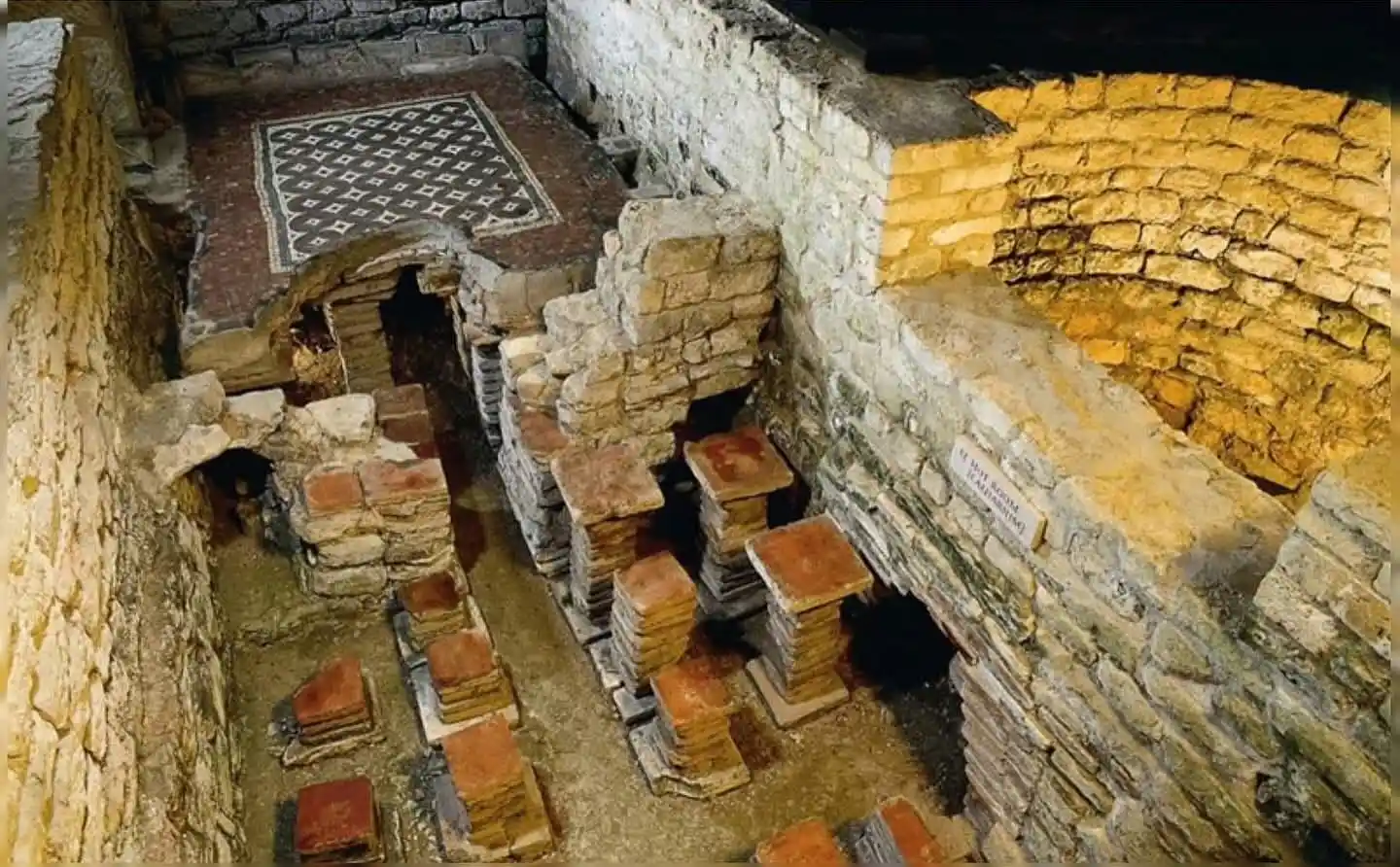
One of the most striking features of Chedworth Roman Villa is its hypocaust system, an ancient form of underfloor central heating that stands as a marvel of early engineering.
The tepidarium (warm room), caldarium (hot room), and adjoining baths were all heated using this ingenious technology. Roman builders constructed a raised floor supported by small pillars called pilae. Beneath this space, a furnace — or praefurnium — generated hot air and smoke, which circulated under the floors and through hollow wall flues.
This system provided consistent warmth, creating a comfortable indoor climate even during cold British winters. The hypocaust was a technological revolution of its time — centuries ahead of similar innovations in Europe.
Visitors to the site today can still see the remnants of the hypocaust system, a tangible reminder of Roman ingenuity and their mastery of comfort.
The Splendor of Roman Mosaics
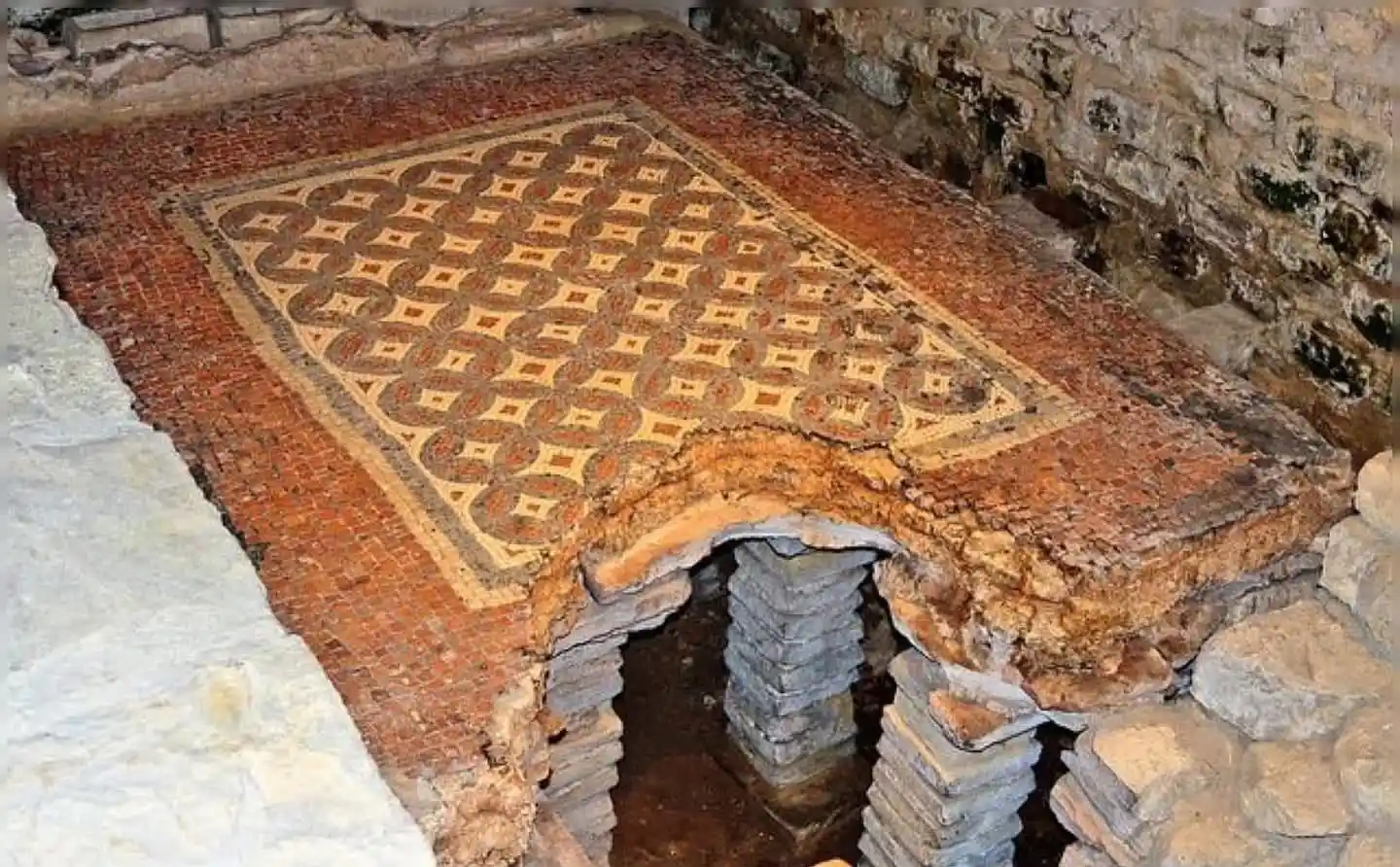
Chedworth’s mosaics are among the finest ever found in Roman Britain. Crafted from thousands of small, colored tiles known as tesserae, these intricate floor designs depict geometric patterns, mythological scenes, and symbolic motifs.
One of the most famous mosaics at Chedworth features interlacing knots and floral patterns, showcasing the artistry and precision of Roman craftsmen. The use of locally sourced limestone and imported marble adds to their richness.
Each mosaic served both decorative and symbolic functions — a display of wealth, culture, and devotion. The imagery reflected not only aesthetic tastes but also the intellectual sophistication of Roman villa owners, who valued beauty as much as comfort.
Today, these mosaics remain remarkably well-preserved, offering an intimate look at the artistic achievements of ancient Britain under Roman rule.
Daily Life in the Villa
Life at Chedworth Roman Villa would have been both elegant and industrious. The estate functioned as a working farm, with surrounding lands used for agriculture, livestock, and possibly wine or olive production — all staples of Roman cuisine and commerce.
Inside, the villa bustled with activity. Servants maintained the baths, kitchens, and gardens, while the villa’s owners entertained guests with banquets, discussions, and relaxation in the warm bathing suites.
Meals would have featured both local and imported delicacies — grains, meats, fruits, and perhaps even spices and wines brought from the continent. The presence of fine tableware and luxury goods discovered at the site reinforces Chedworth’s connection to the broader Roman trade network.
Rediscovery and Excavation
The villa lay buried and forgotten for centuries until its rediscovery in 1864 by a local gamekeeper. Excavations soon revealed the scale and beauty of the site, sparking immense public and academic interest.
Over the years, archaeologists have unearthed coins, pottery, tools, jewelry, and even inscriptions, each piece adding to the story of life at Chedworth. Ongoing excavations and conservation efforts by the National Trust continue to shed light on its evolution and cultural significance.
Modern preservation has ensured that visitors can explore the villa without compromising its integrity. A state-of-the-art protective structure now shelters the mosaics, allowing the public to admire them up close while safeguarding them from the elements.
Chedworth and Roman Innovation
Chedworth Roman Villa is more than a historical curiosity — it is a living classroom of Roman technological innovation. The site embodies key advances that shaped Western civilization, including:
-
Architectural engineering (stone masonry, arches, drainage systems)
-
Thermal efficiency (the hypocaust and insulation methods)
-
Water management (aqueduct-fed baths and lead piping)
-
Artistic expression (mosaics and frescoes reflecting cultural identity)
These achievements demonstrate that the Romans were not only conquerors but also pioneers of design and science, whose influence still informs modern architecture and infrastructure.
The Legacy of Chedworth Roman Villa
Today, Chedworth Roman Villa stands as one of the best-preserved Roman sites in Britain and a cultural landmark of Gloucestershire. It continues to captivate historians, archaeologists, and visitors from around the world.
As you walk among its ancient walls, you can almost feel the warmth of the hypocaust beneath your feet, see the shimmer of mosaics under lamplight, and imagine the conversations of Roman nobles echoing through the halls.
The villa’s legacy reminds us of a civilization that valued comfort, innovation, and beauty — principles that continue to shape modern living.
Conclusion
The Chedworth Roman Villa remains a shining example of the Roman Empire’s architectural and technological brilliance. Its mosaics reflect artistic mastery; its hypocaust system reveals engineering genius; its design embodies luxury balanced with practicality.
More than 1,800 years after its construction, Chedworth continues to tell the story of Rome’s enduring presence in Britain — a story of innovation, culture, and the timeless human pursuit of comfort and elegance.
Through every stone and tile, Chedworth Roman Villa whispers a truth that transcends centuries: that great civilizations are remembered not just for their power, but for their ability to build beauty that lasts.
ALSO READ: The Rainbow Abyss: Siberia’s Hidden Cathedral of Stone