Ceramic Dancing Figures from China (206 BCE-220 CE) at the Minneapolis Institute of Art
Ceramic Dancing Figures from China
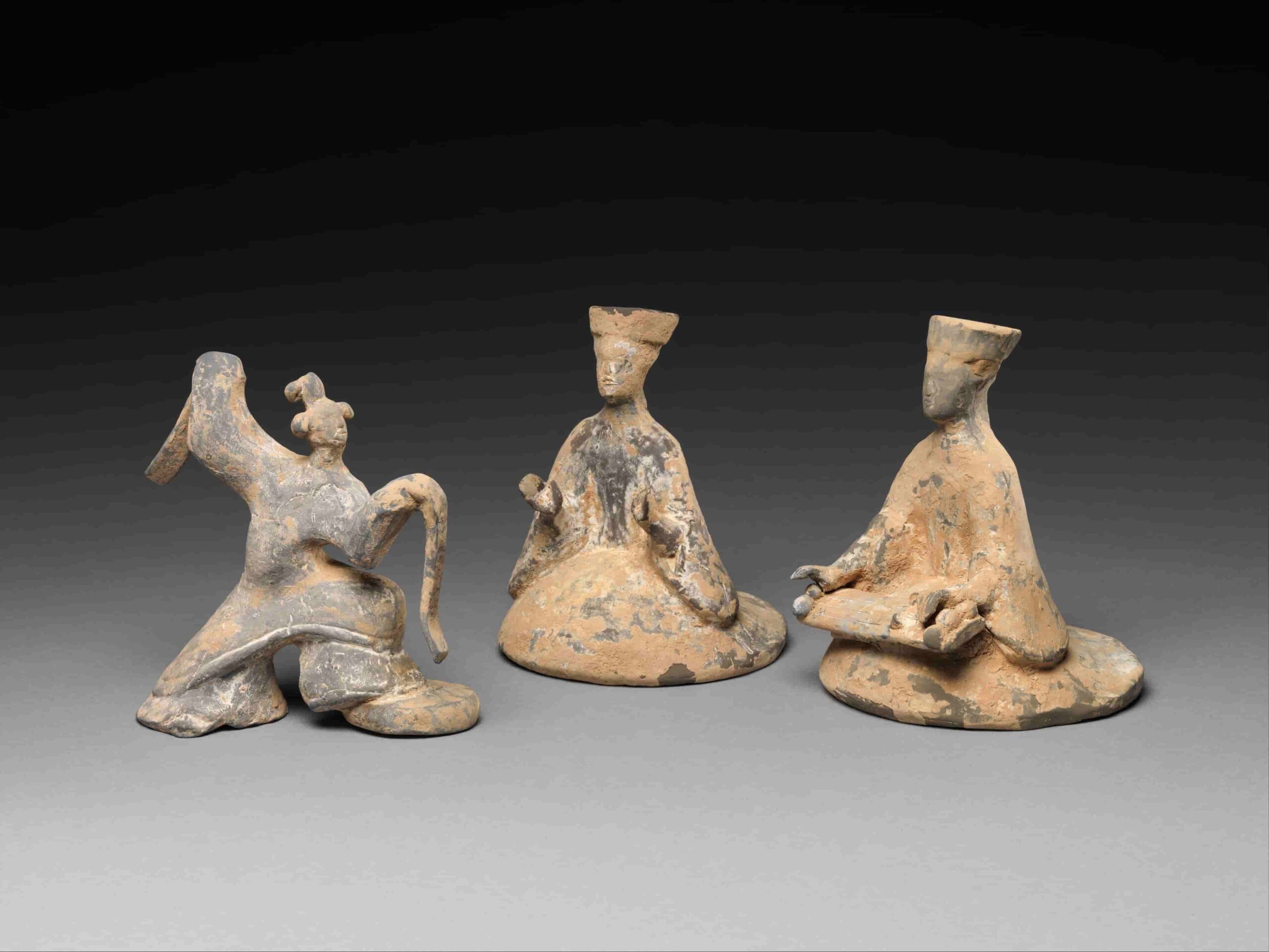
The ceramic dancing figures from China, dating back to the Han Dynasty period (206 BCE–220 CE), are fascinating artifacts that give us a glimpse into ancient Chinese culture, art, and beliefs. These figures are currently housed in the Minneapolis Institute of Art, where they are cherished for their delicate craftsmanship and cultural significance. Created over two millennia ago, these ceramics depict dancers in graceful poses, capturing the traditional performing arts of the era.
Historical Background: The Han Dynasty Era
The Han Dynasty (206 BCE to 220 CE) is considered a golden age in Chinese history marked by vast developments in politics, culture, science, and art. This period saw the flourishing of funerary art, including the creation of ceramic figures intended to accompany and protect the deceased in the afterlife.
Ceramic figures were common burial items during this time, representing entertainers, servants, and animals meant to serve the dead beyond life. The dancing figures are typical of this tradition, blending artistry with spiritual function, embodying the joy, energy, and cultural life of the Han people.
Description and Artistic Features
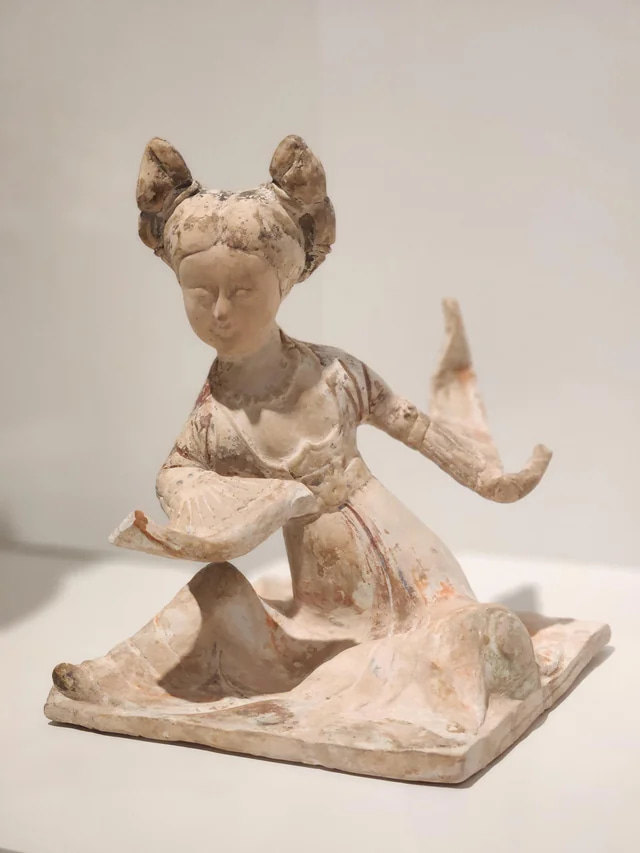
The ceramic dancing figures are small, finely modeled sculptures, often part of larger tomb sets. These figures showcase:
-
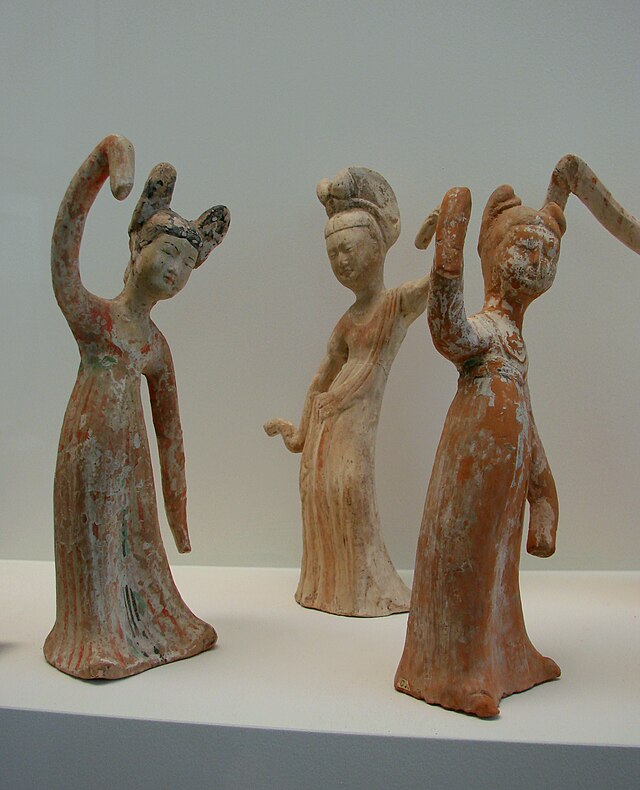
Dynamic Poses: Each figure is captured mid-motion, with flowing lines and realistic postures symbolizing movement and rhythm in dance.
-
Expressive Details: Despite their modest size (approximately 4.5 inches tall), the figures exhibit detailed facial expressions and costumes.
-
Cultural Representation: Their dress and posture reflect Han Dynasty clothing styles and dance forms, providing historians with clues about ceremonial and artistic practices.
Crafted from fired clay, the figures display a remarkable level of craftsmanship with smooth surfaces and delicate modeling. The use of ceramics for tomb figures was practical due to the material’s durability, ensuring the figures’ longevity as guardians of the afterlife.
Cultural and Religious Significance
In Han Dynasty China, death and the afterlife were surrounded by rich religious beliefs and rituals. The use of ceramic figures such as dancers in burials was rooted in the idea that these objects would accompany and entertain the deceased in the spirit world.
Dancing figures specifically symbolized celebration, vitality, and the continuation of life beyond death. They possibly represented entertainers who would perform for the deceased’s spirit, helping to ensure comfort and happiness in the afterlife.
The Collection at the Minneapolis Institute of Art
These Han Dynasty ceramic dancing figures are part of the Minneapolis Institute of Art’s Asian Art Department collection. Displayed in gallery G215. They offer museum visitors a rare opportunity to witness tangible connections to ancient Chinese social and spiritual life.
The pieces are well-preserved and provide valuable insights into funerary customs, craftsmanship, and the cultural milieu of the Han Dynasty. Through exhibitions and educational programs, the Minneapolis Institute of Art helps bring this ancient artistry to a contemporary audience.
Why These Figurines Matter Today
The ceramic dancing figures do more than decorate museums; they are vital archaeological sources. They illuminate the past in ways texts alone cannot, revealing aesthetics, social practices, and philosophies of ancient China.
Collectors, historians, and enthusiasts of Asian art prize these figures for their authenticity and evocative power.
Their story tells us about human creativity, cultural continuity, and the universal desire to celebrate life even in death.
How to See These Figures
Visitors to the Minneapolis Institute of Art can see the ceramic dancing figures in person. Offering a chance to connect closely with the craft techniques and cultural heritage of the Han Dynasty. The museum also provides digital resources and expert commentary to enrich the viewing experience.
Conclusion
The ceramic dancing figures from China’s Han Dynasty held at the Minneapolis Institute of Art remain timeless symbols of history, culture, and art. These exquisite pieces represent the fusion of artistic mastery and spiritual tradition. Offering a window into the rituals and vibrancy of ancient China. Whether seen as cultural artifacts, historical documents, or artistic expressions, these figures continue to captivate and educate audiences worldwide.
ALSO READ: Obruk Kızören Obruk Han: A 13th Century Seljuk Caravanserai in Karatay, Türkiye