The 8,000-Year-Old Marble Female Figurine Discovered in Çatalhöyük
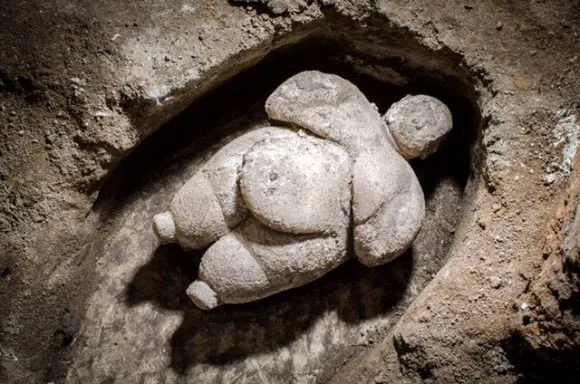
In 2016, archaeologists made a remarkable discovery in the Neolithic settlement of Çatalhöyük, located in modern-day Anatolia (Turkey): a beautifully crafted marble female figurine estimated to be around 8,000 years old. This artifact not only captured the attention of scholars but also reignited public interest in one of the world’s most significant prehistoric settlements.
A Landmark Discovery in Neolithic Archaeology
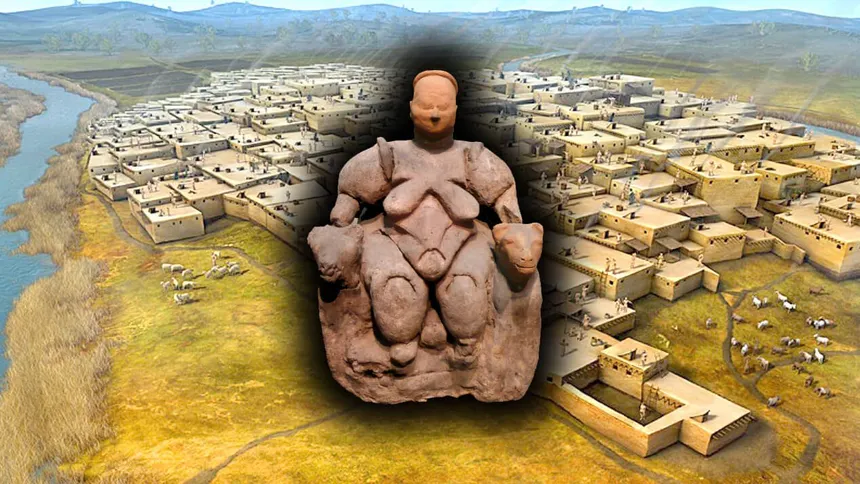
Çatalhöyük, a UNESCO World Heritage Site, is one of the oldest known urban centers in human history. Flourishing between 7100 BCE and 5700 BCE, this early settlement provides crucial insights into the transition from nomadic hunter-gatherer groups to settled farming communities.
The discovery of the marble female figurine in 2016 stands out among the numerous artifacts unearthed at the site due to its rarity, craftsmanship, and potential symbolic significance. Most figurines found in Çatalhöyük over the decades were made from clay or stone. This one, carved from marble, is considered unique and far more refined in execution.
Description and Features of the Figurine
The figurine measures approximately 17 centimeters (6.7 inches) in height and depicts a corpulent female figure seated on a throne flanked by two felines—most likely leopards or lionesses. Her pronounced curves, especially the wide hips and full breasts, suggest fertility or motherhood, echoing themes often found in prehistoric female statues.
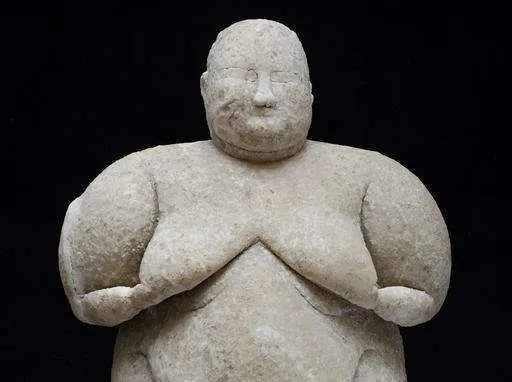
What distinguishes this piece is its material. Marble was not commonly used in Çatalhöyük’s art due to its rarity and the difficulty of carving it with Neolithic tools. The high level of detail and preservation indicates that this object was highly valued by its creators and likely held symbolic or ritual importance.
Symbolism and Interpretation: A Goddess or an Ancestor?
Scholars have long debated the purpose of such figurines in Neolithic contexts. Some argue that these objects represent fertility goddesses, used in rituals related to agriculture, birth, or household prosperity. Others suggest that they may portray revered ancestors or matriarchal figures who played significant roles in community life.
In the case of the Çatalhöyük marble figurine, the throne and flanking animals imply a powerful status. Rather than an ordinary community member, she may have represented a divine or semi-divine figure—perhaps a goddess embodying fertility, abundance, or protection.
The presence of animal motifs reinforces this interpretation. In many ancient cultures, big cats symbolized strength and guardianship, suggesting that the woman’s association with them enhanced her authoritative or protective qualities.
How the Figurine Was Found
The figurine was unearthed during routine excavations led by an international team of archaeologists under the direction of Professor Ian Hodder from Stanford University. The discovery occurred in a domestic structure, buried carefully beneath a platform, suggesting deliberate placement.
Such placement hints at ritual behavior. It is possible that the figurine was buried as part of a rite of passage, offering, or memorial event. Its condition—intact and carefully positioned—shows that it was not discarded but rather purposefully deposited.
The Role of Women in Neolithic Society
This discovery also raises important questions about gender roles in early farming societies. While many earlier figurines have led to speculations about matriarchal societies, concrete evidence remains elusive. Nonetheless, the prominence and reverence implied by this artifact support the idea that women, or female deities, held significant cultural and spiritual roles in Neolithic Anatolia.
Researchers caution against modern projections onto prehistoric societies, but the recurring themes of femininity, fertility, and strength in Neolithic art do suggest a complex and nuanced view of gender and power.
Preservation and Display
After its discovery, the marble figurine was transferred to the Museum of Anatolian Civilizations in Ankara, where it underwent preservation and study. The Turkish Ministry of Culture and Tourism has since featured it in national exhibitions. Highlighting it as a key piece in Turkey’s ancient heritage.
Its public display serves not only to educate the public. But also to draw international attention to the depth of human history in Anatolia. A region often overshadowed by more well-known sites like Mesopotamia and Egypt.
Impact on Archaeological Understanding
The 2016 marble figurine discovery has reshaped scholarly understanding of Çatalhöyük in several ways:
-
Material culture: It showed that Neolithic people had access to and could work with more precious materials like marble.
-
Artistic sophistication: The detailed craftsmanship indicates a higher level of artistic and technical ability than previously assumed.
-
Ritual practices: The intentional burial of such a significant artifact suggests structured ritual behavior and belief systems.
Moreover, this discovery has encouraged renewed interest and funding for continued excavations and interdisciplinary research at the site.
Çatalhöyük in the Global Context
Çatalhöyük holds a pivotal place in the story of human civilization. Its densely packed mudbrick houses, egalitarian social structure, and rich symbolic life challenge older models. That associate complex society solely with hierarchical, male-dominated systems.
The marble female figurine reinforces Çatalhöyük’s status as a groundbreaking site that continues to defy expectations. As new technologies like 3D imaging and residue analysis develop. Researchers hope to unlock even more secrets from this ancient city.
Conclusion
The 8,000-year-old marble female figurine discovered in 2016 at Çatalhöyük is more than a stunning artifact. It’s a window into a prehistoric world where symbolism, ritual, and social complexity were already deeply woven into everyday life. As scholars continue to examine its origins and meaning. This small but powerful object stands as a testament to the creativity, spirituality, and cultural sophistication of Neolithic Anatolia.
ALSO READ: The Forgotten Megaliths of Bada Valley: Indonesia’s Mysterious Ancient Civilization