Castle Fraser: A Magnificent Testament to Scottish Heritage
Origins and Historical Significance of Castle Fraser
A Heritage of Medieval Scotland
Castle Fraser’s roots date back to the 15th century, with archaeological evidence pointing to earlier structures that occupied the site. Originally constructed as a square tower around 1400 or 1500, it was called Muchall-in-Mar, serving as a defensive stronghold amidst Scotland’s turbulent medieval landscape. Over time, the castle evolved from these modest beginnings into an expansive and ornate residence, reflecting the status and wealth of the Fraser family, one of Scotland’s most prominent clans.
The Construction of the Iconic Z-Plan Castle
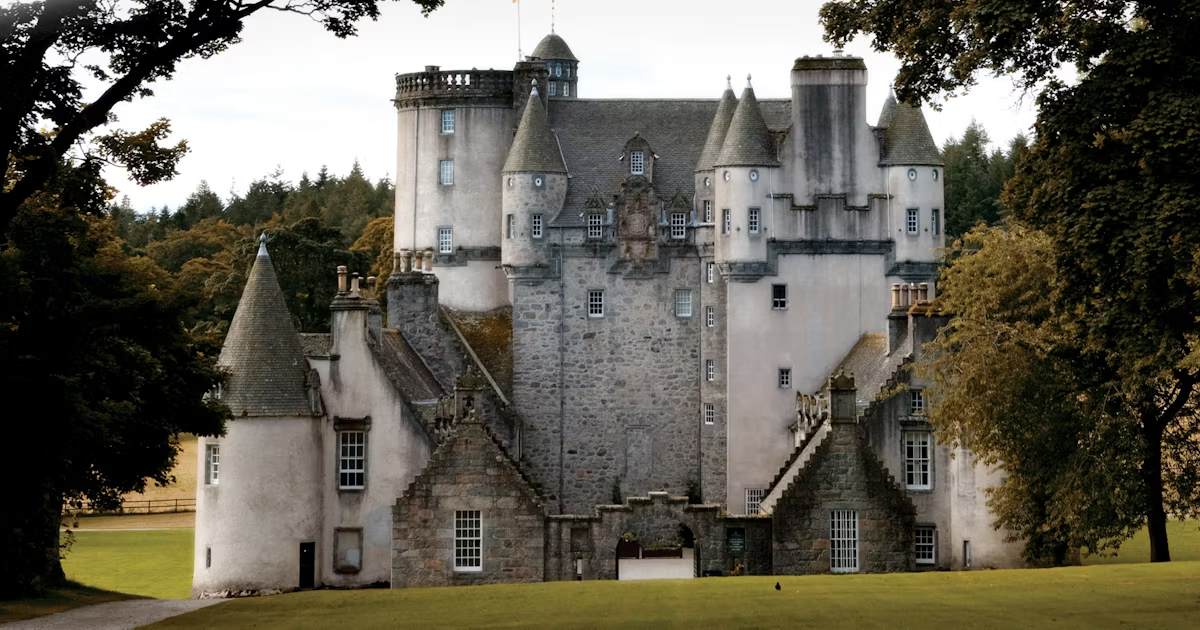
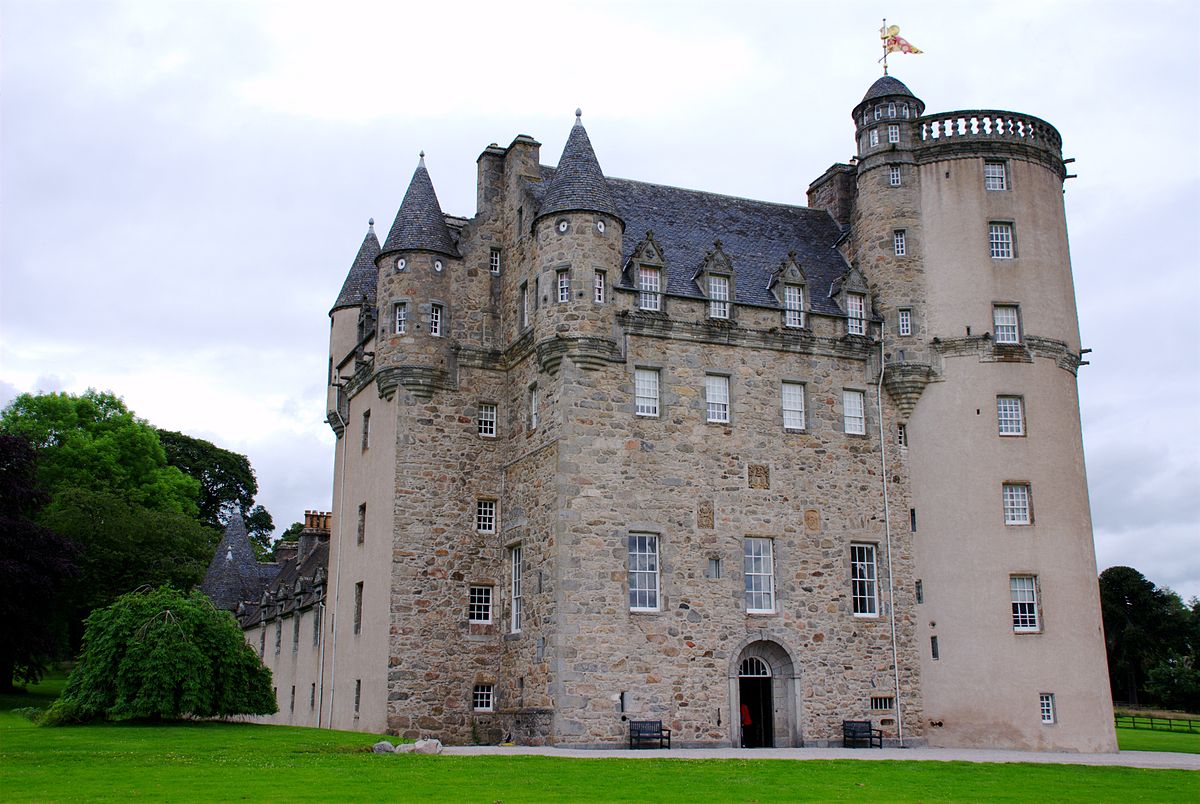
The impressive structure visible today largely resulted from major construction undertaken between 1575 and 1636. Initiated by Michael Fraser, the 6th Laird of Fraser, the castle was built on the site of an earlier tower and expanded into a five-storey Z-plan castle, characterized by its diagonally opposite round towers and projecting wings. This architectural style exemplifies Scottish Baronial design, with intricate stonework and strategic defensive features.
The Fraser Family and Historical Evolution
For more than 400 years, Castle Fraser served as the residence of the Fraser family. Throughout history, it was expanded and modernized, especially during the 17th and 19th centuries, reflecting changing architectural tastes and the transition from a fortress to a more comfortable noble residence. Notably, the castle was modernized in the late 18th century and further reconstructed in the 19th century by renowned architects John Smith and William Burn, integrating Regency and Gothic styles.
Architectural Highlights of Castle Fraser
Medieval Foundations and Early Structures
The earliest part of Castle Fraser was a simple rectangular tower built in the mid-15th century, serving as a defensive stronghold. Archaeological evidence suggests that the original structure was modest, designed primarily for protection. Over time, this foundation was transformed into a sprawling castle with multiple towers, courtyards, and ornate architectural details.
The Z-Plan Design: A Work of Art
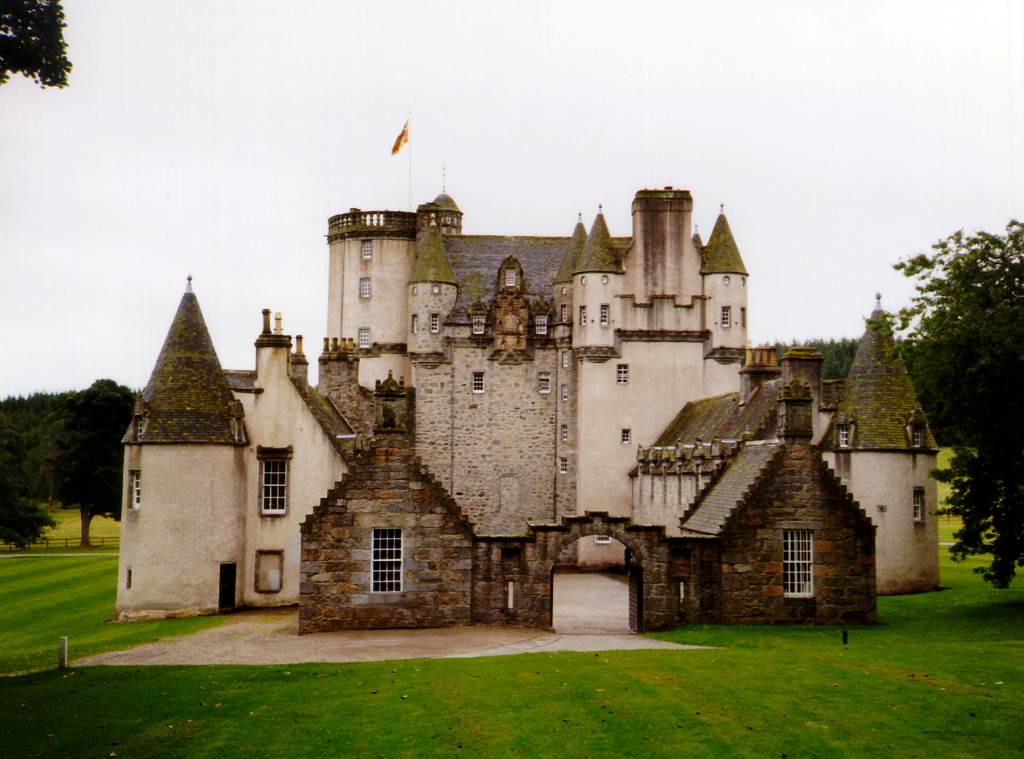
The castle’s most distinctive feature is its Z-shaped layout, comprising a large central block flanked by two towers—one round and one square—that project diagonally. This design not only provided defensive advantages but also created a visually striking silhouette, which has made Castle Fraser a standout example of Scottish castle architecture.
Architectural Features & Styles
Castle Fraser displays an intricate blend of late Renaissance, early Baroque, and Gothic styles:
-
Ornate stonework and crow-stepped gables
-
Corbelled-out turrets and bartizans with shot-holes and gunloops
-
Gothic-style windows and decorative detailing
-
Restored interiors showcasing period furniture, portraits, and quirky features like the “Laird’s Lug” spy hole.
Restoration and Modern Conservation
In the 20th century, Castle Fraser underwent a significant restoration effort. The castle was partially restored around 1950 under the supervision of architect Dr. William Kelly, who removed later additions to reveal the original medieval fabric. Further preservation efforts ensured that the castle retained its historical atmosphere while making it accessible to the public as a heritage site.
Castle Fraser: From Fortress to Family Home
Transition Over Centuries
Originally a defensible tower meant to protect its owners and control regional routes, Castle Fraser gradually transitioned into a stately family home. The Fraser family lived in the castle for centuries, filling it with family portraits, furnishings, and collections that reflect its noble lineage.
Georgian and Victorian Influences
The owners modernized Castle Fraser in the late 18th and 19th centuries to reflect contemporary tastes. These modifications included the addition of sash windows, classical-style interiors, and landscaped gardens. Notable architects like John Smith and William Burn contributed to its Victorian-era remodelling, blending traditional Scottish architecture with new stylistic elements.
20th-Century Restoration and Public Heritage
The Pearson family gifted the castle to the National Trust for Scotland in 1976 after owning it privately for years. Since then, extensive restoration work has preserved its authenticity and has made it a popular heritage attraction. Visitors today can explore its interiors, admire its historic architecture, and learn about Scottish clan history.
Visiting Castle Fraser Today
A Cultural Landmark
Today, Castle Fraser stands as a key Scottish cultural and historical landmark. It offers guided tours, storytelling sessions, and exhibits. That highlight its rich history, architecture, and the everyday life of its historic inhabitants.
Features for Visitors
Visitors can explore the castle’s:
-
Grand hall and towers
-
Family portraits and furniture collections
-
Quirky features like the “Laird’s Lug”
-
Beautiful gardens and landscaped grounds.
Preservation and Education
The castle plays an essential role in educating the public about Scotland’s medieval and Renaissance history. Preserving traditional building techniques, and promoting Scottish heritage conservation.
Conclusion
Castle Fraser epitomizes Scotland’s history of castle architecture, from its medieval beginnings to its Renaissance grandeur and Victorian remodelling. As a well-preserved, beautifully restored tower house, it offers a window into Scottish noble life, military architecture, and cultural evolution. Its journey from a fortified stronghold to a cherished heritage site highlights the enduring legacy of Scotland’s architectural and historical heritage.
ALSO READ: Fort Montecchio: The Last Great Italian Fortress in Colico, Lombardy