3000-Year-Old Bronze Sword Discovered in Germany: A Window Into Bronze Age Civilization
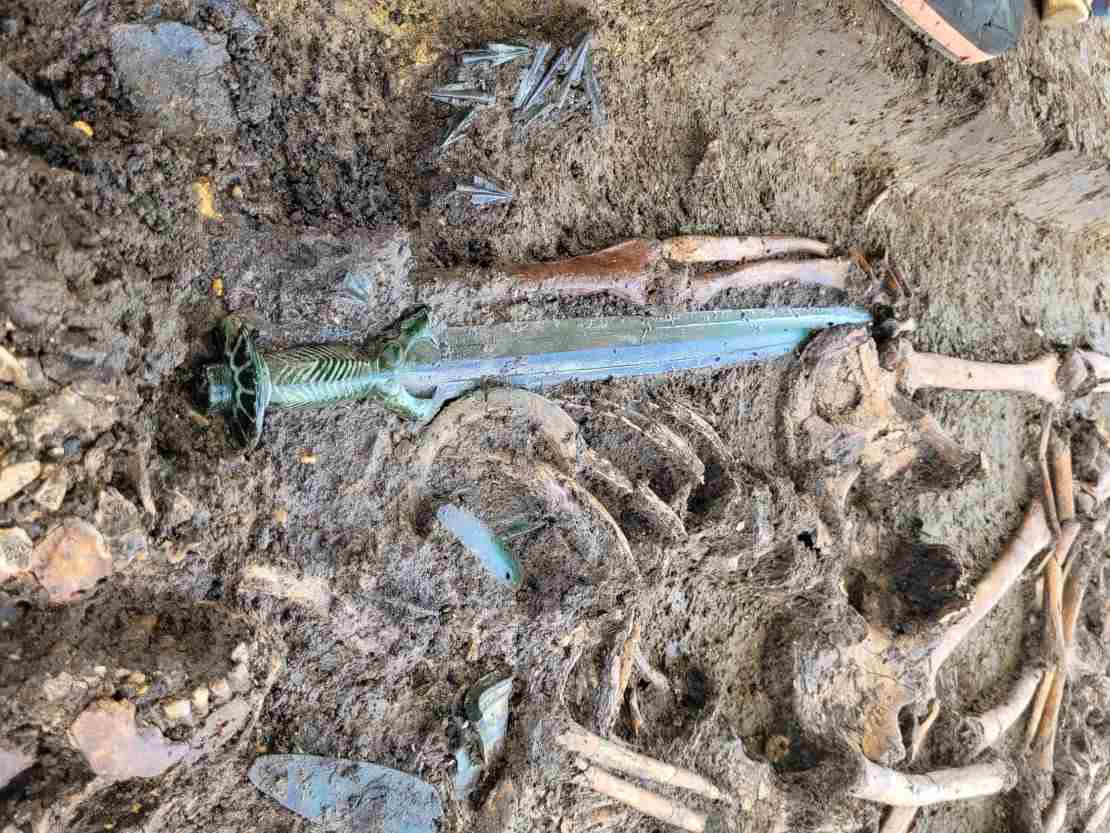
In a remarkable archaeological breakthrough that has captivated researchers worldwide, excavations in Nördlingen, southern Germany, have yielded an extraordinary artifact that challenges our understanding of Bronze Age craftsmanship and preservation. The discovery of a 3000-year-old bronze sword, dating to approximately 1400 BCE, represents one of the most significant archaeological finds in recent German history. This ancient weapon, so remarkably preserved that archaeologists describe it as “almost still shining,” offers unprecedented insights into the sophisticated metallurgical techniques, social structures, and burial customs of Bronze Age European civilizations.
The sword’s exceptional state of preservation has stunned the archaeological community, as organic and metal artifacts from this period rarely survive in such pristine condition. Found within a complex burial site containing three individuals—a man, a woman, and a boy—the weapon forms part of a rich assemblage of grave goods that speaks to the elevated status and cultural practices of Bronze Age societies in what is now southern Germany.
The Nördlingen Archaeological Site: A Bronze Age Necropolis
Geographic and Historical Context
Nördlingen, strategically positioned between the major German cities of Nuremberg and Stuttgart, sits within the Nördlinger Ries, a geological formation created by a meteorite impact approximately 15 million years ago. This unique landscape has served as a crossroads of human activity for millennia, making it an exceptionally rich archaeological region. The current excavation site represents just one component of what appears to be an extensive Bronze Age necropolis, suggesting that this area held particular significance for ancient communities.
The Bronze Age period in Central Europe, spanning roughly from 2200 to 800 BCE, marked a revolutionary transformation in human technology, social organization, and cultural expression. The discovery at Nördlingen falls within the Middle Bronze Age, a time characterized by increasing social stratification, long-distance trade networks, and sophisticated metalworking techniques that would lay the foundation for later Iron Age developments.
Excavation Methods and Discovery Context
The archaeological team employed cutting-edge excavation techniques, combining traditional stratigraphic methods with advanced digital documentation and analysis. Ground-penetrating radar and magnetometry surveys initially identified anomalies consistent with burial features, guiding the precise placement of excavation units. The sword was discovered using micro-excavation techniques, with each layer of soil carefully removed and documented to preserve contextual information crucial for understanding the burial’s chronological and cultural significance.
The burial site’s stratigraphy revealed multiple phases of use, suggesting that this location served as a cemetery for an extended period. Radiocarbon dating of organic materials associated with the sword burial confirmed the 1400 BCE date, placing it within the broader context of Middle Bronze Age cultural developments across Central Europe.
The Remarkable Bronze Sword: Technical Analysis and Craftsmanship
Physical Characteristics and Preservation
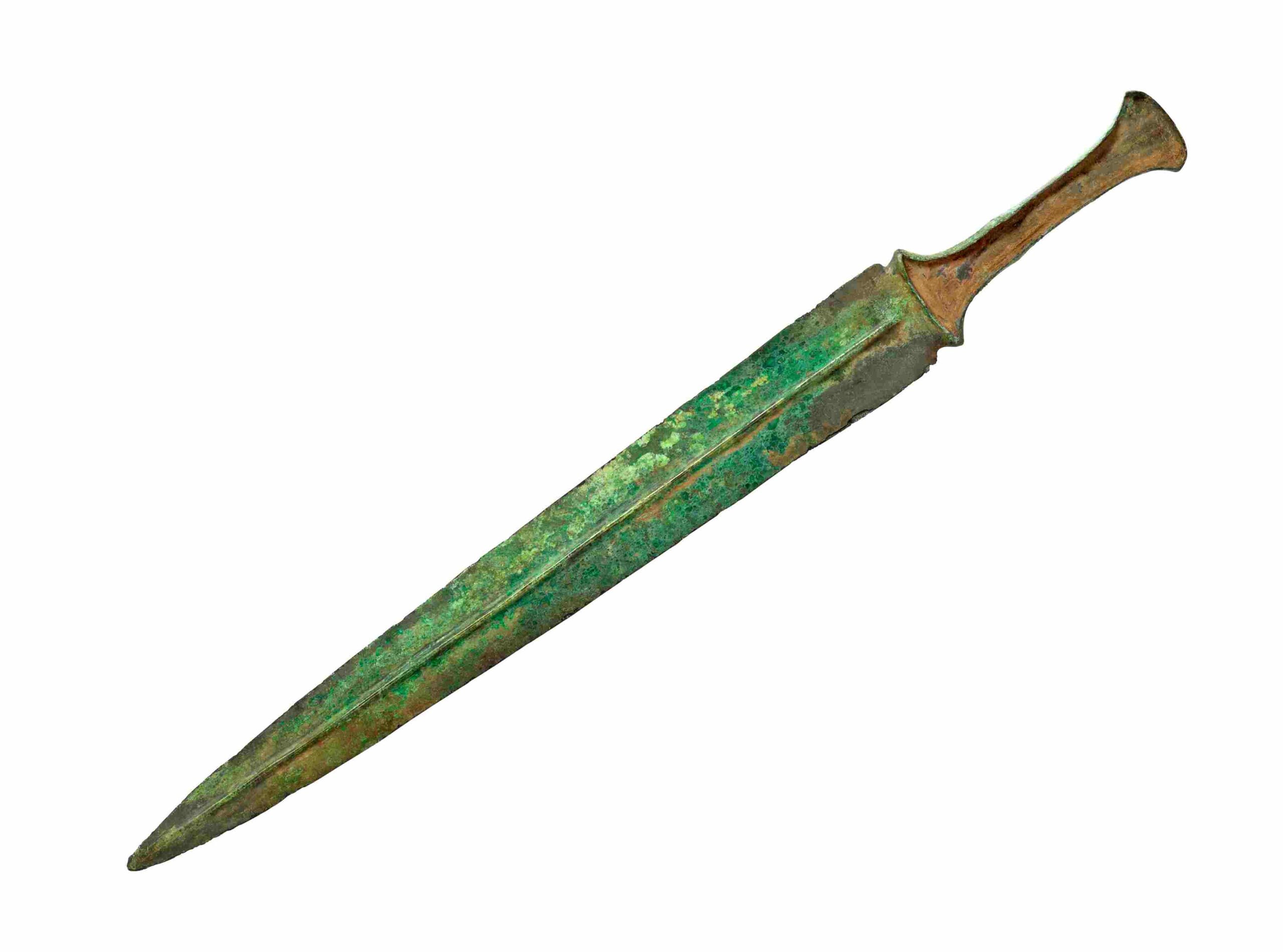
The sword measures approximately 80 centimeters in length, featuring the distinctive octagonal bronze hilt that characterizes certain types of Middle Bronze Age weaponry. The blade exhibits the classic leaf-shaped profile typical of this period, with careful attention to weight distribution and balance that demonstrates sophisticated understanding of metallurgical principles and weapon design.
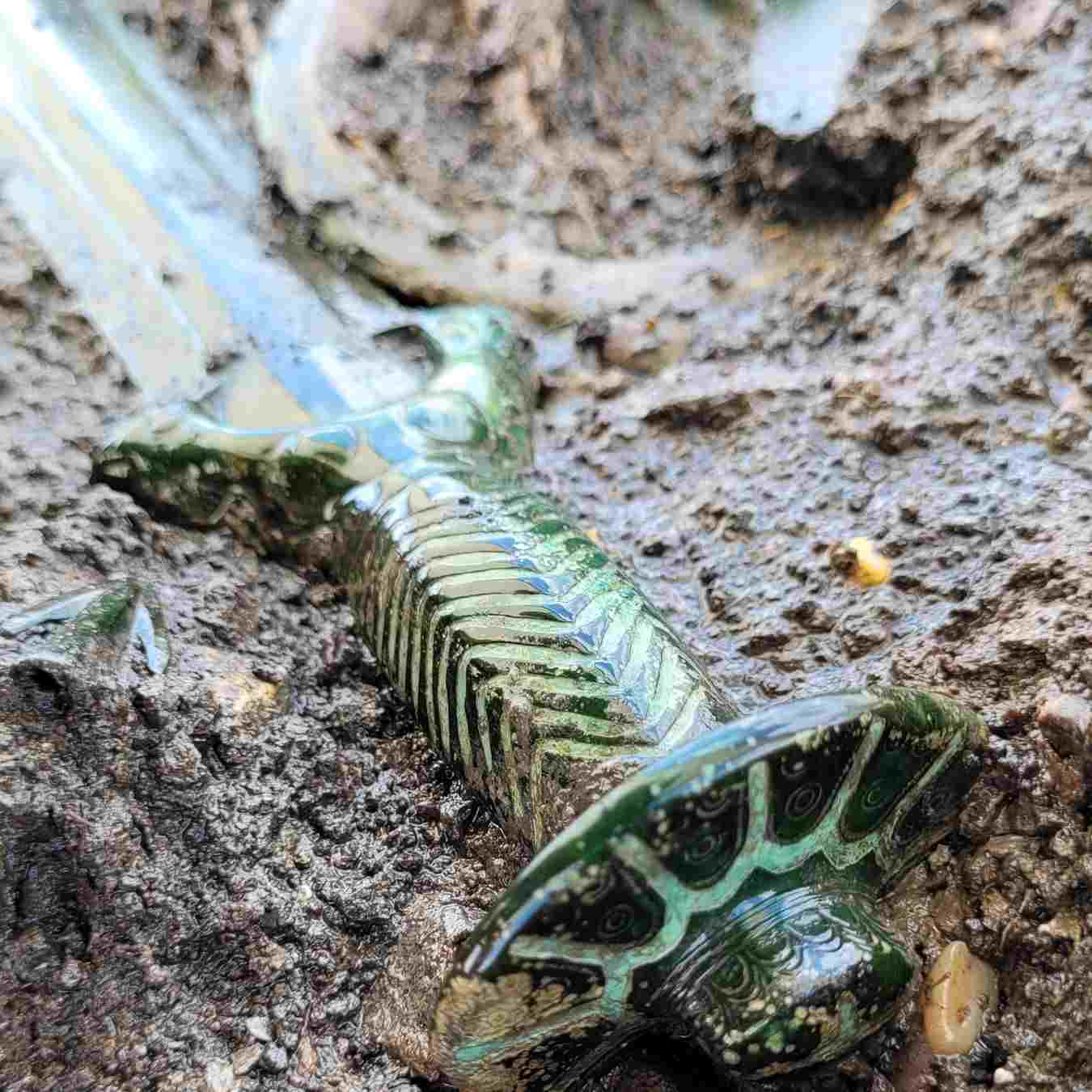
What sets this particular sword apart is its extraordinary state of preservation. The bronze retains much of its original luster, with minimal corrosion or structural degradation despite spending three millennia in the ground. This exceptional preservation results from unique soil conditions at the burial site, including optimal pH levels, moisture content, and chemical composition that created a protective environment for metal artifacts.
Preliminary analysis reveals intricate decorative elements along the hilt and blade, including geometric patterns that may hold symbolic or cultural significance. These decorative motifs align with broader artistic traditions found across Bronze Age Europe, suggesting participation in widespread cultural networks and shared aesthetic values.
Metallurgical Techniques and Bronze Age Technology
The sword represents a masterpiece of Bronze Age metallurgy, demonstrating advanced techniques that required considerable skill and knowledge to execute successfully. Bronze, an alloy of copper and tin, demanded sophisticated understanding of metal properties, alloying ratios, and casting techniques. The consistent quality and structural integrity of this weapon indicate that its creators possessed highly developed technological capabilities.
X-ray fluorescence analysis and other non-destructive testing methods will provide detailed information about the sword’s composition, manufacturing techniques, and potential geographic origins of its raw materials. Tin, essential for bronze production, was relatively rare in Central Europe during this period, necessitating extensive trade networks that connected distant regions and cultures.
The weapon’s construction involved multiple stages, from initial casting to final finishing and decoration. Evidence suggests the use of complex molds, controlled cooling processes, and skilled finishing techniques that produced a weapon of both functional effectiveness and aesthetic appeal. The octagonal hilt design required particularly sophisticated casting techniques, as this geometric form demanded precise control over metal flow and cooling patterns.
The Triple Burial: Social Implications and Cultural Practices
Burial Composition and Relationships
The sword was discovered within a grave containing three individuals: an adult male, an adult female, and a young boy. While the exact relationships between these individuals remain uncertain pending further analysis, their burial together suggests significant social or familial connections. The practice of multiple burials during the Bronze Age often indicated family groups, social alliances, or shared tragic circumstances that resulted in simultaneous or closely timed deaths.
Osteological analysis of the human remains will provide crucial information about the individuals’ ages, health status, potential causes of death, and possible kinship relationships through DNA analysis. Isotope analysis of teeth and bones may reveal information about their geographic origins, dietary patterns, and mobility during their lifetimes, contributing to our understanding of Bronze Age population movements and social structures.
Grave Goods and Social Status
The burial contained an impressive array of grave goods beyond the remarkable sword, indicating the elevated social status of at least some of the interred individuals. These artifacts include ceramic vessels, bronze ornaments, amber beads, and other metalwork that collectively represent considerable wealth and social prestige within Bronze Age society.
The presence of such elaborate grave goods suggests that Bronze Age communities had developed complex social hierarchies with clear distinctions between elite and common social classes. The sword itself, as a high-status weapon requiring considerable resources and skill to produce, likely belonged to a warrior or leader of significant importance within the community.
Ceramic analysis reveals connections to broader regional pottery traditions, while the presence of amber indicates participation in long-distance trade networks extending to the Baltic Sea region. These trade connections demonstrate the sophisticated economic and social networks that characterized Bronze Age European civilizations.
Bronze Age Warfare and Social Organization
Military Technology and Combat Practices
The discovery of this well-preserved sword provides invaluable insights into Bronze Age military technology and combat practices. The weapon’s design characteristics—including its length, weight distribution, and edge geometry—offer clues about fighting techniques and battlefield tactics employed by Bronze Age warriors.
Experimental archaeology and combat reconstruction studies using replicas of similar Bronze Age swords have demonstrated their effectiveness as both cutting and thrusting weapons. The leaf-shaped blade design optimizes penetrating power while maintaining structural integrity during combat, reflecting sophisticated understanding of weapon mechanics and metallurgical properties.
The sword’s association with other military equipment found in Bronze Age contexts suggests that warfare played a significant role in social organization and political development. Elite warriors likely formed the backbone of emerging political hierarchies, using their military prowess to establish and maintain social dominance.
Social Stratification and Elite Culture
The elaborate nature of this burial reflects the increasing social stratification that characterized Bronze Age European societies. The emergence of distinct warrior classes, craft specialists, and political elites created complex social hierarchies that would influence European development for centuries to come.
Archaeological evidence from across Central Europe suggests that Bronze Age elites participated in prestigious exchange networks, sharing luxury goods, technological innovations, and cultural practices across vast distances. The Nördlingen sword likely represents participation in these elite networks, connecting local communities to broader European cultural developments.
Regional Archaeological Context and Comparative Analysis
Central European Bronze Age Developments
The Nördlingen discovery must be understood within the broader context of Central European Bronze Age developments. This region experienced significant cultural and technological changes during the Middle Bronze Age, including innovations in metallurgy, agriculture, and settlement patterns that would shape European civilization for millennia.
Contemporary sites across Bavaria, Austria, and neighboring regions have yielded similar evidence of elite burials, sophisticated metalwork, and complex social organization. The Nördlingen sword fits within established typological sequences for Bronze Age weaponry while displaying unique characteristics that contribute to our understanding of regional variations and cultural exchange.
Connections to Broader European Networks
Bronze Age Europe was characterized by extensive cultural and economic networks that facilitated the exchange of ideas, technologies, and luxury goods across vast distances. The Nördlingen burial demonstrates participation in these networks through its combination of local traditions and broader European influences.
Comparative analysis with similar discoveries from other European regions reveals shared cultural practices, technological traditions, and social structures that defined Bronze Age civilization. The sword’s design elements find parallels in discoveries from as far away as Scandinavia and the Mediterranean, illustrating the remarkable cultural unity that characterized Bronze Age Europe despite its political fragmentation.
Conservation Challenges and Preservation Techniques
Environmental Factors and Preservation Conditions
The exceptional preservation of the Nördlingen sword results from unique environmental conditions that protected the artifact from the typical degradation processes affecting metal objects in archaeological contexts. Understanding these conditions provides valuable insights for both archaeological interpretation and conservation planning.
Soil analysis reveals optimal pH levels, controlled moisture content, and chemical conditions that inhibited corrosion and structural degradation. The burial’s location within specific geological formations created a protective microenvironment that maintained stable conditions for three millennia.
Modern Conservation Approaches
Contemporary conservation techniques employ cutting-edge technologies to ensure the long-term preservation of this irreplaceable artifact. Digital documentation through high-resolution 3D scanning creates permanent records of the sword’s current condition. While enabling detailed analysis without physical manipulation.
Chemical stabilization treatments prevent further degradation while maintaining the artifact’s structural integrity and historical authenticity. Advanced materials analysis techniques provide detailed information about the sword’s composition and manufacturing techniques without damaging the original artifact.
Scientific Analysis and Research Methodologies
Advanced Analytical Techniques
Modern archaeological science employs sophisticated analytical methods to extract maximum information from discoveries like the Nördlingen sword. Non-destructive techniques including X-ray fluorescence, CT scanning, and neutron activation analysis. Provide detailed compositional and structural data without compromising the artifact’s integrity.
Microscopic analysis reveals manufacturing traces, use-wear patterns, and decorative details invisible to naked-eye examination. These techniques contribute to understanding both the sword’s production methods and its use-life within Bronze Age society.
Interdisciplinary Collaboration
The Nördlingen discovery exemplifies modern archaeology’s interdisciplinary approach, bringing together specialists in metallurgy, osteology, ceramics, environmental science, and digital documentation. This collaborative methodology ensures comprehensive analysis and interpretation of complex archaeological contexts.
International cooperation with researchers across Europe facilitates comparative analysis and contributes to broader understanding of Bronze Age civilization. Shared databases and collaborative research projects enhance the scientific value of individual discoveries. While building comprehensive pictures of ancient European cultures.
Implications for Understanding Bronze Age Society
Economic and Trade Networks
The Nördlingen sword provides evidence for sophisticated economic networks that connected Bronze Age communities across vast distances. The materials and techniques required for its production necessitated access to resources and knowledge that extended far beyond local capabilities.
Trade networks facilitated not only the exchange of raw materials. But also the transmission of technological knowledge, cultural practices, and social innovations. The sword represents participation in these networks and demonstrates the complexity of Bronze Age economic systems.
Cultural Exchange and Innovation
The discovery illustrates the dynamic nature of Bronze Age culture, characterized by continuous innovation, adaptation, and cultural exchange. The sword combines local traditions with broader European influences, demonstrating the creative synthesis that drove technological and cultural development.
Archaeological evidence suggests that Bronze Age communities actively participated in cultural exchange networks. That facilitated the rapid spread of innovations across Europe. The Nördlingen sword represents one element in this complex web of cultural interaction and technological development.
Future Research Directions and Ongoing Investigations
Planned Analytical Studies
Ongoing research will employ additional analytical techniques to extract further information from the sword and its associated burial context. Planned studies include detailed metallurgical analysis, microscopic examination of decorative elements, and comparative analysis with similar European discoveries.
DNA analysis of the human remains may reveal kinship relationships and population connections. While isotope studies will provide information about geographic origins and mobility patterns. These investigations will contribute to broader understanding of Bronze Age population dynamics and social organization.
Regional Survey and Excavation Expansion
The Nördlingen discovery has prompted expanded archaeological investigation of the surrounding region. With surveys identifying additional potential burial sites and settlement areas. These investigations may reveal the broader community context within which the sword burial occurred.
Future excavations will employ advanced remote sensing techniques to identify archaeological features while minimizing disturbance to undiscovered sites. This approach ensures optimal preservation of archaeological evidence while maximizing research potential.
Public Engagement and Educational Impact
Museum Exhibition and Public Outreach
Plans are underway for public exhibition of the sword and related artifacts. Providing opportunities for educational engagement and public appreciation of archaeological research. Interactive displays will explain Bronze Age technology, social organization, and cultural practices while highlighting the significance of the Nördlingen discovery.
Educational programs will engage diverse audiences, from school groups to academic researchers, fostering public understanding and appreciation of archaeological heritage. Digital resources will make the discovery accessible to global audiences while supporting ongoing research and education initiatives.
Digital Documentation and Virtual Access
Advanced digital documentation techniques create permanent records while enabling virtual access to the discovery for researchers and public audiences worldwide. High-resolution 3D models allow detailed examination without physical access to the original artifacts.
Virtual reality applications will reconstruct the burial context and Bronze Age cultural landscape. Providing immersive educational experiences that bring ancient history to life for contemporary audiences. These technologies enhance both research capabilities and public engagement opportunities.
Conclusion: A Window Into Bronze Age Excellence
The discovery of the 3000-year-old sword at Nördlingen represents far more than a single archaeological find. It provides a remarkable window into the sophisticated civilization that flourished in Bronze Age Central Europe. This perfectly preserved weapon, with its gleaming bronze surface and masterful craftsmanship. Challenges our preconceptions about ancient technological capabilities and social complexity.
The sword’s exceptional preservation offers unprecedented opportunities for scientific analysis and cultural interpretation. Contributing to our understanding of Bronze Age metallurgy, social organization, and cultural practices. Its discovery within a rich burial context provides insights into the complex relationships. Between technology, social status, and cultural identity that characterized European Bronze Age civilization.
As research continues and new analytical techniques reveal additional details about this remarkable discovery. The Nördlingen sword will undoubtedly continue to enhance our understanding of Bronze Age society. Its preservation serves as a testament to both ancient craftsmanship and modern archaeological techniques. Bridging three millennia to connect contemporary audiences with their Bronze Age predecessors.
The sword stands as a powerful reminder of the continuity of human innovation, craftsmanship, and cultural expression that connects us across the vast expanses of time. In its gleaming bronze surface, we glimpse not just an ancient weapon. But a reflection of the human spirit’s enduring drive toward excellence, creativity, and technological achievement.
ALSO READ: The Crescent Moon Samurai Armor: An Icon of Warrior Prestige