The Splendor of Bronze Age Greek Armor: Echoes of Early Warriors
A Glimpse into the Age of Bronze
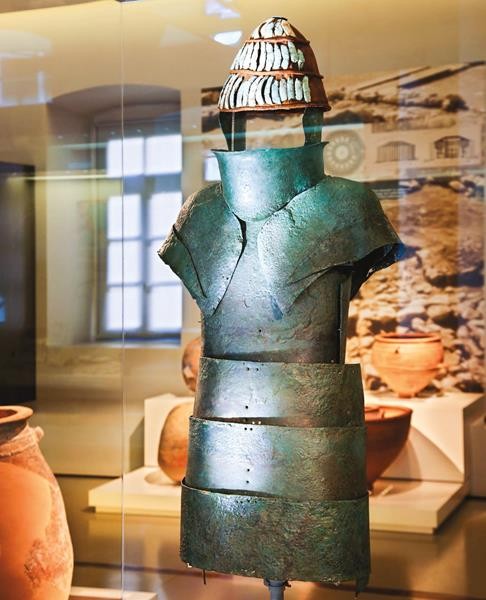
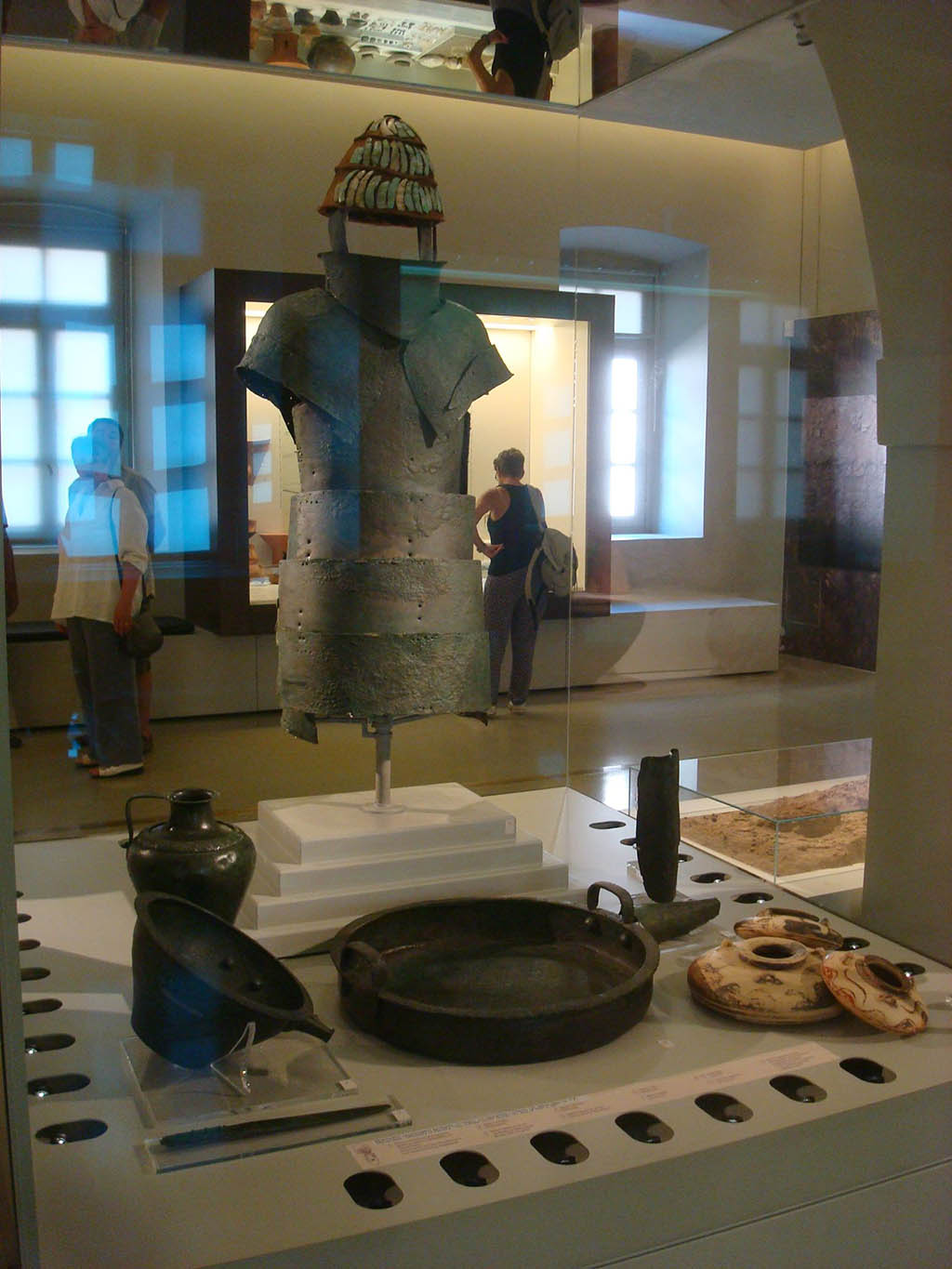
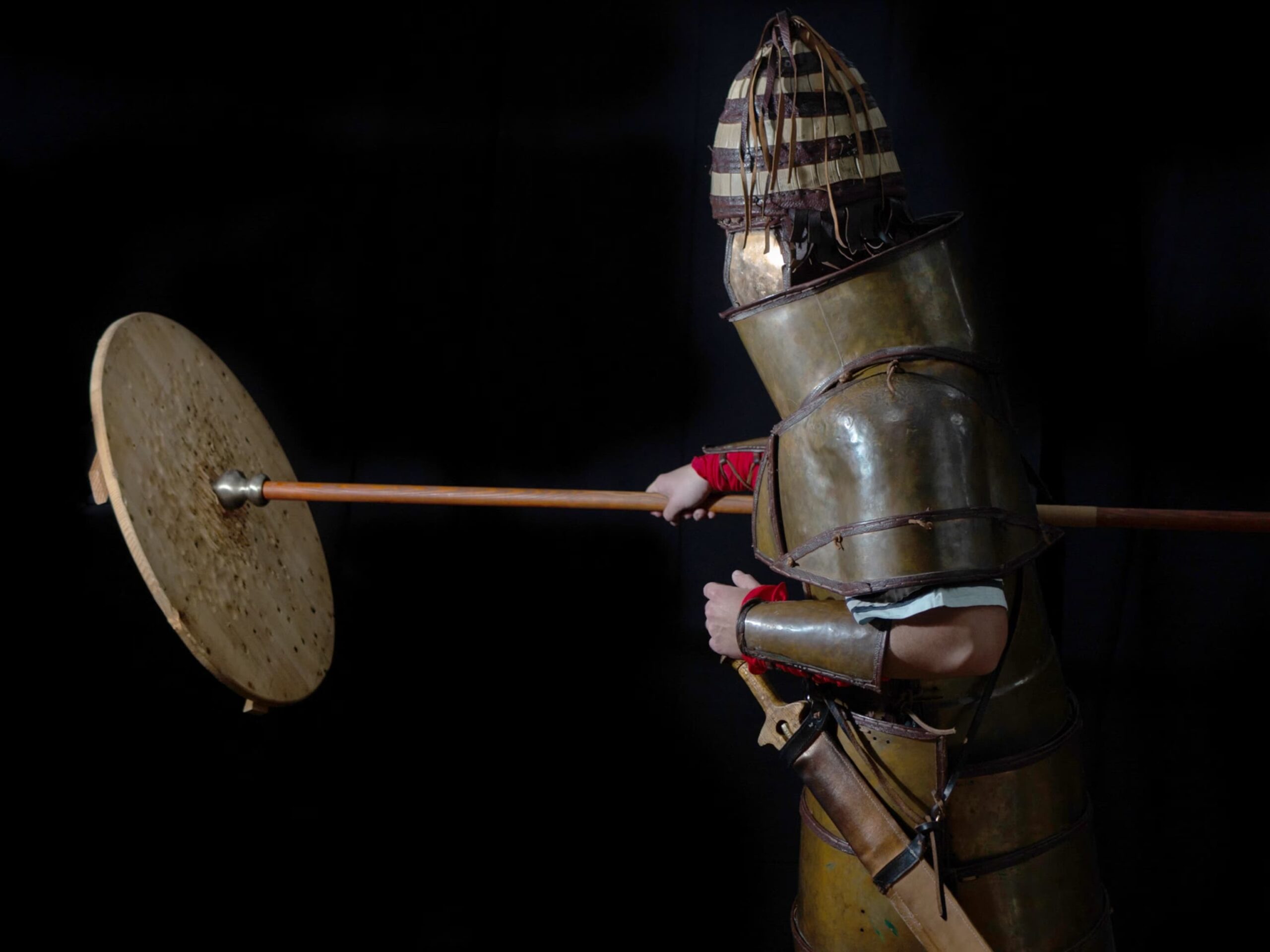
Behold the enduring majesty of the Bronze Age—the era when metal and myth converged to shape early civilizations. Among the relics of this formative age, few artifacts capture the imagination like the panoply unearthed in modern‑day Greece, dating back to approximately 700 BC. This assemblage of armor, comprising helmet, cuirass, greaves, and shield, embodies both the artistry and valor of a world transitioning toward the dawn of classical Greece.
Forged from gleaming bronze, these implements of war serve as more than mere weapons or defenses. They represent a synthesis of function, aesthetics, and belief—a manifestation of how ancient Greek warriors viewed themselves and their place within society.
The Birth of Bronze and the Warrior Ideal
The Bronze Age (roughly 3300–1200 BC in the Aegean region) marked a technological and cultural revolution. With the discovery of bronze—an alloy of copper and tin—societies across the Mediterranean ushered in new levels of skill in metallurgy, architecture, and warfare. In Greece, this period witnessed the rise of complex communities that would later produce the heroes immortalized in epic poetry.
By 700 BC, the echoes of Mycenaean civilization lingered in the collective memory, influencing the armor traditions of the era. The warriors of this time, often members of regional aristocracies, embodied the transition between mythic heroism and the structured military ethos that would define later Greek hoplites.
Bronze armor was both a practical necessity and a sociopolitical statement. Its craftsmanship revealed not only martial readiness but also the wealth and status of its bearer. A panoply such as the one discovered reflects the intertwined values of aesthetics, power, and divine protection.
Anatomy of a Bronze Age Panoply
Each component of the armor reveals exceptional design sensibility and technical mastery.
The Helmet: Crest of Honor
The helmet, often fashioned with a projecting crest, symbolized both protection and prestige. Its form varied—some were of the Corinthian type, covering the entire face except for narrow eye slits, while others were open-faced for greater visibility. The smooth curvature of bronze surfaces and incised decorations demonstrated the metallurgist’s precision and the warrior’s taste for ornamentation.
Feathered plumes or horsehair crests enhanced the wearer’s stature, turning each soldier into a living emblem of martial pride.
The Cuirass: Shielding the Vital Core
The bronze cuirass encased the torso, often comprising two sections fastened together—one for the chest and one for the back. Many surviving examples display repoussé designs, depicting mythological motifs or geometric patterns. These embellishments elevated the armor from mere equipment to a canvas celebrating divine favor and ancestral strength.
Its fit was critical: tailored shaping allowed freedom of movement during battle, a testament to the delicate balance between engineering and art.
The Shield: Emblem of Defense and Identity
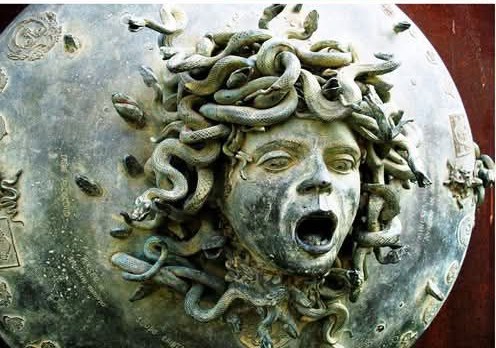
With a circular form and convex structure, the Greek shield—or hoplon—represented protection, unity, and identity. Warriors frequently engraved scenes of mythic struggle or heraldic symbols upon their shields. Raised designs not only strengthened the bronze surface but also immortalized personal or familial emblems in radiant relief.
Beyond its defensive function, the shield carried moral significance. To lose one in battle was a mark of disgrace, encapsulated in the Spartan exhortation: “Return with your shield or on it.”
The Greaves and Accessories
Bronze greaves shielded the shins, molded to anatomical precision. They often required no straps, gripping the legs through natural tension. Their polished surfaces reflected sunlight in dazzling flashes—both protective and psychological in effect. Other accoutrements might include decorated belts, arm guards, and bronze scabbards intended for ornate short swords.
Craftsmanship and Metallurgy: Forging Legends in Metal
Creating a full bronze panoply demanded advanced metallurgical expertise. Artisans melted copper and tin in carefully proportioned ratios to produce a hard yet malleable alloy. Casting techniques involved multi‑part molds shaped around wax models, while surface finishing used hammering, chasing, and engraving to achieve intricate textures.
The patina of age—those green and brown oxidized hues—now tells a story of time itself. Each layer of corrosion has become part of the artifact’s identity, a natural testament to centuries of burial and preservation.
Through these methods, Bronze Age craftsmen achieved more than technical success; they produced symbols that conveyed social hierarchy, divinity, and human aspiration.
The Warrior and the Sacred
In the worldview of early Greece, warfare and religion were inseparable. Before the clash of arms, rituals invoked divine favor from deities like Ares and Athena. Armor was consecrated through offerings or dedications, transforming bronze into a living conduit between mortal and divine realms.
Archaeological evidence from sanctuaries such as Olympia and Delphi reveals that worn armor was sometimes placed as votive offerings. These deposits suggest that victorious warriors honored the gods by surrendering their instruments of war, embedding spiritual meaning within metallic beauty.
The panoply thus carried moral and metaphysical significance, blending earthly valor with heavenly patronage.
The Aesthetics of Power
Beyond battle, armor reflected cultural ideals of order, balance, and proportion. The aesthetic philosophy later defined by classical Greek art found early expression in these forms. Smooth surfaces, symmetrical construction, and rhythmic engravings echoed principles that would shape sculpture and architecture for centuries to come.
To the ancient eye, beauty was synonymous with virtue. A well‑crafted cuirass mirrored not only physical perfection but moral harmony—a body disciplined by courage and guided by wisdom.
Archaeological Context and Discovery
Many Bronze Age panoplies have surfaced from burial sites, sanctuaries, and hoards across Greece, including Argos, Corinth, and Crete. The discovery of such armor in funerary contexts underscores the deep respect accorded to warriors. Interred with their weapons, these individuals were immortalized as heroes within their communities.
Modern archaeological methods—radiography, metallurgical analysis, and 3D scanning—have revealed much about these objects’ construction and repair. Traces of hammer marks, rivet holes, and patchwork restoration confirm that these items were not ceremonial showpieces alone but saw genuine use on the battlefield.
Each find enriches our understanding of ancient Greek society: its technological achievements, social hierarchies, and collective identity molded around the ethics of war and honor.
Legacy: From Bronze to Iron and Beyond
By the late 8th and early 7th centuries BC, iron began replacing bronze in weapon manufacturing due to its greater availability and strength. Yet bronze armor persisted as a potent cultural symbol. Later Greek hoplites inherited its legacy, standardizing the heavy infantry style that dominated classical warfare.
Through art, literature, and ritual, the image of the bronze-clad warrior endure—from Homeric legend to vase paintings, from temple reliefs to modern museum exhibits. The panoply remains a tangible bridge between myth and history, between a world of heroes and the civilization that arose in their wake.
Conclusion: Eternal Guardians of the Past
The Bronze Age Greek armor discovered in Greece is more than a relic—it is a monument to human ingenuity and courage. Its gleaming surfaces once caught the Mediterranean sun as armies assembled, and now, under museum light, they capture our imaginations anew.
Each dent tells of struggle; each engraving of the artisan’s devotion. Through such masterpieces, the distant voices of the Bronze Age still resonate, reminding us of humanity’s enduring dance between chaos and creation, war and art, mortality and memory.
ALSO READ: Leatherback Sea Turtle Returns to Sanibel Island: A Rare and Ancient Ocean Journey